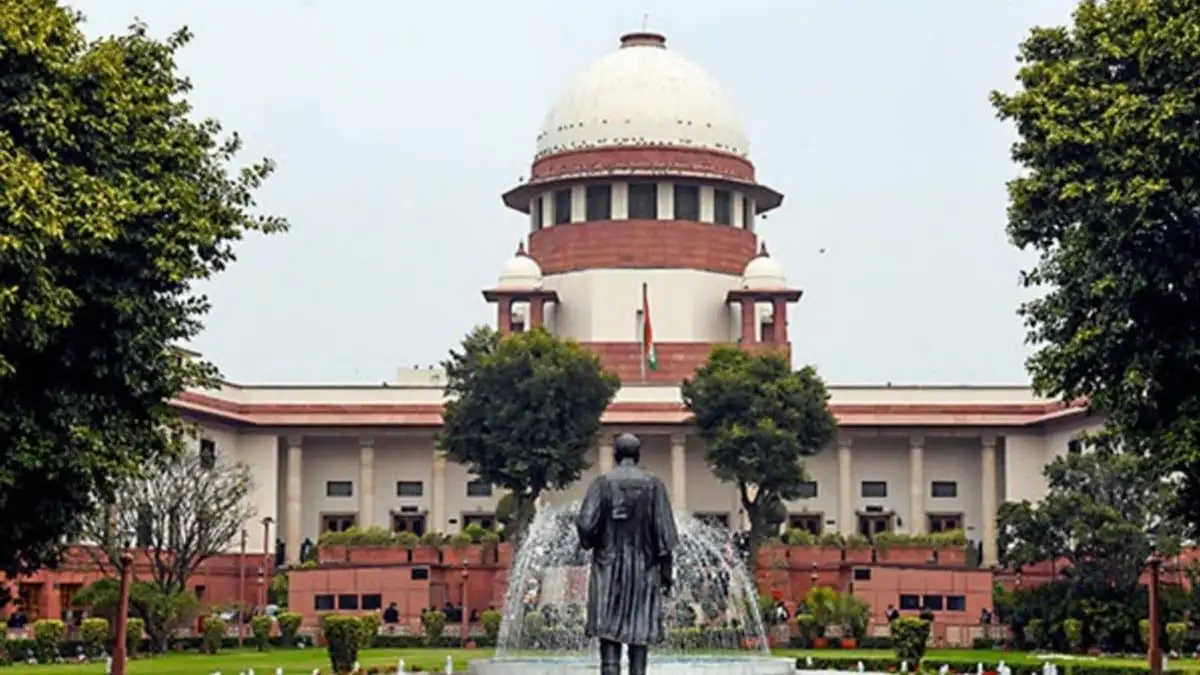
The Supreme Court on Thursday refused to establish a national task force for monitoring food safety compliance, declaring the request "devoid of merits." The plea, filed as a Public Interest Litigation, sought a court-supervised body to ensure adherence to food safety regulations across the country.

The bench, comprised of Justices Vikram Nath and Sandeep Mehta, had previously scrutinized the petitioner's basis for the demand. Specifically, the court had questioned the lack of concrete research underpinning the broad assertions made in the plea, which was argued in person by petitioner Dr. K.A. Paul. The court reserved its decision earlier in the day before issuing the dismissal order.
The petition had also called for enhancements to inspection infrastructure, testing laboratories, and enforcement personnel nationwide. It additionally proposed a national system for addressing grievances and compensating individuals affected by food safety breaches. The Union government, various states, Union Territories, and the Food Safety and Standards Authority of India were listed as respondents.
Read More: Supreme Court May Order Ayodhya Temple Fund Audit Due to Theft Claims
This dismissal follows a period where the court sought substantiation for the proposed task force. The absence of robust data to support the necessity of such a high-level intervention appears to have been a critical factor in the court's decision.

.png)