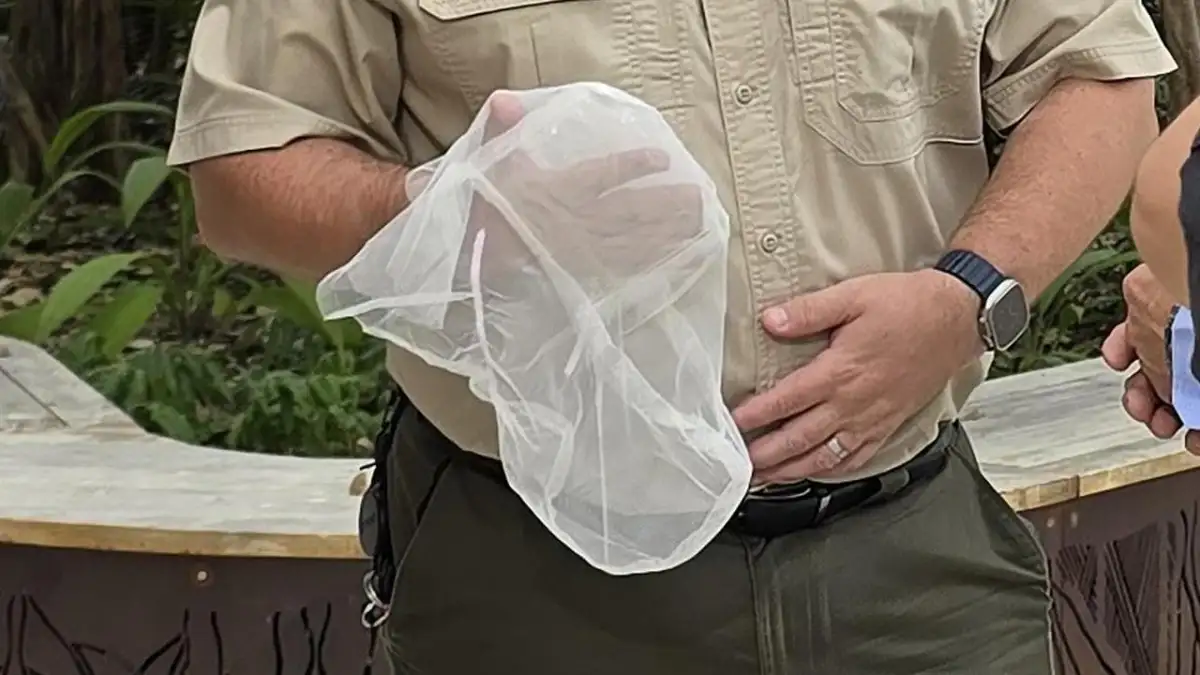
The Northern Territory government has moved to reinstate the use of spit hoods on young people in youth detention centres, reversing a ban that had been in place for nearly eight years. This decision, part of broader amendments to the Youth Justice Act, has drawn sharp criticism from human rights lawyers, psychiatrists, and former children's commissioners, who argue the practice is inhumane, dangerous, and violates international human rights obligations.

Scathing Indictment from Former Children's Commissioner
The move has been met with particularly strong disapproval from Shahleena Musk, the NT Children's Commissioner. Musk has stated that the territory is the sole Australian jurisdiction reverting to the use of spit hoods on children. Her assessment brands the policy as a "scathing indictment" of the ongoing reliance on such measures, particularly when applied to children as young as 10 years old. The commissioner’s remarks highlight the stark contrast between the NT's decision and the trend in other jurisdictions, which have moved away from such practices.
Read More: Myles Gray inquest: No alcohol or common psychedelics found in toxicology report
Concerns Over Human Rights and Child Welfare
Australia Lawyers for Human Rights (ALHR) has unequivocally condemned the reinstatement of spit hoods, labelling the practice as "degrading, inhumane, and dangerous." Kerry Weste, ALHR's Vice President and Chair of Children’s Rights, asserted that the use of spit hoods infringes upon children's internationally recognised human rights, warning of compounding trauma for those in detention. Similarly, Dr. Katherine Fallah, ALHR's Spokesperson on Criminal Justice and Human Rights, argued that the decision undermines Australia's commitments under core United Nations treaties, including the Convention on the Rights of the Child and the Convention Against Torture.
Psychiatrists, represented by the Royal Australian and New Zealand College of Psychiatrists (RANZCP), have also issued stern warnings. They contend that proposed changes to youth justice laws, including the return of spit hoods, are contrary to evidence-based youth justice reform and violate Australia's human rights obligations. The RANZCP submission to a Senate Inquiry previously highlighted substantial medical evidence demonstrating that youth detention causes lasting psychological damage, disproportionately affecting First Nations children who form the vast majority of those incarcerated in the NT.
Read More: PM Meets Kumanjayi Little Baby's Family Amid NT Child Protection Reform Concerns
Reversal of Previous Ban and Expert Warnings
The decision to reintroduce spit hoods marks a significant reversal from a ban implemented nearly eight years ago, following intense media scrutiny of issues at the Don Dale Youth Detention Centre. The CLP government, during last year's NT election, had pledged to reintroduce the use of spit hoods on youths if elected. However, the NT Police Force confirmed in October that spit hoods had already been made available for use on youths in police watch houses and cells, albeit with "strict protocols."
Organisations such as Amnesty International have also raised serious concerns, warning that the NT government's "tough on youth crime" policies, including the potential lowering of the age of criminal responsibility to 10 and the reintroduction of spit hoods, could breach human rights laws. They argue that such harsh measures inflict further harm on vulnerable children and do not enhance community safety.
Read More: Serial DV Offender Bail Release in WA Sparks Bail System Debate
Questionable Efficacy and Safer Alternatives
Critics point to a lack of evidence supporting the effectiveness of spit hoods. The Australian Federal Police, after a comprehensive review in April 2023, ceased using spit hoods, concluding that "the risk of using spit hoods outweighed the benefits of their use, given they are ineffective in protecting against transmissible diseases." Furthermore, the NT Police's own internal policies acknowledge that "the risk of biological contamination from spittle is considered low."
Organisations like Youth Justice and CAYJ (Creating a Fairer Justice System) advocate for safer, evidence-based alternatives. They propose the use of Personal Protective Equipment (PPE) for frontline staff, a measure readily adopted by medical professionals. The Department of Territory Families previously listed the ban on restraint chairs and spit hoods as a key positive development in their Youth Detention Centre Model of Care.
Read More: Australia Holds Pink Vigils For Kumanjayi Little Baby
The reintroduction of spit hoods in the Northern Territory appears to contravene recommendations from the NT Ombudsman and the NT Children's Commissioner, both of whom have previously advised a formal ban.