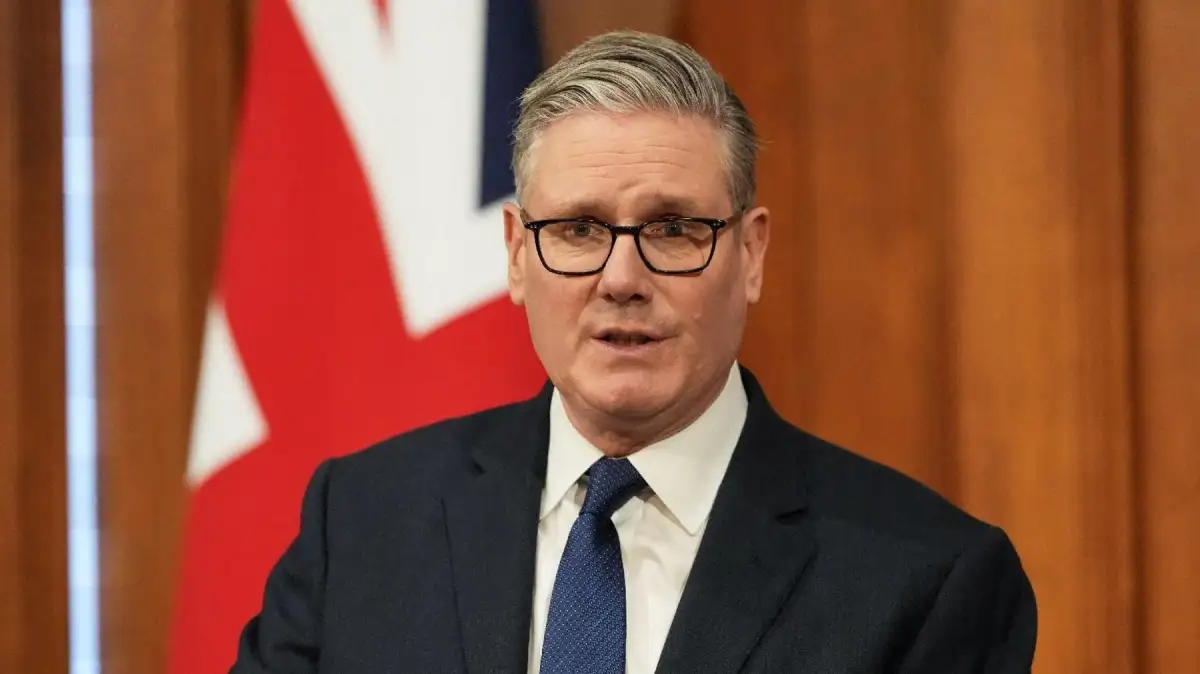
LONDON – The ongoing conflict in Iran, marked by a US-brokered ceasefire, has prompted UK Prime Minister Keir Starmer to declare a need for a "new path" for Britain, emphasizing the strengthening of the nation's economy and military in response to a world perceived as increasingly "volatile and dangerous." The crisis, which has already fueled a sharp rise in fuel prices and is projected to exacerbate inflation and economic instability, is being framed by Starmer as a critical "line in the sand."
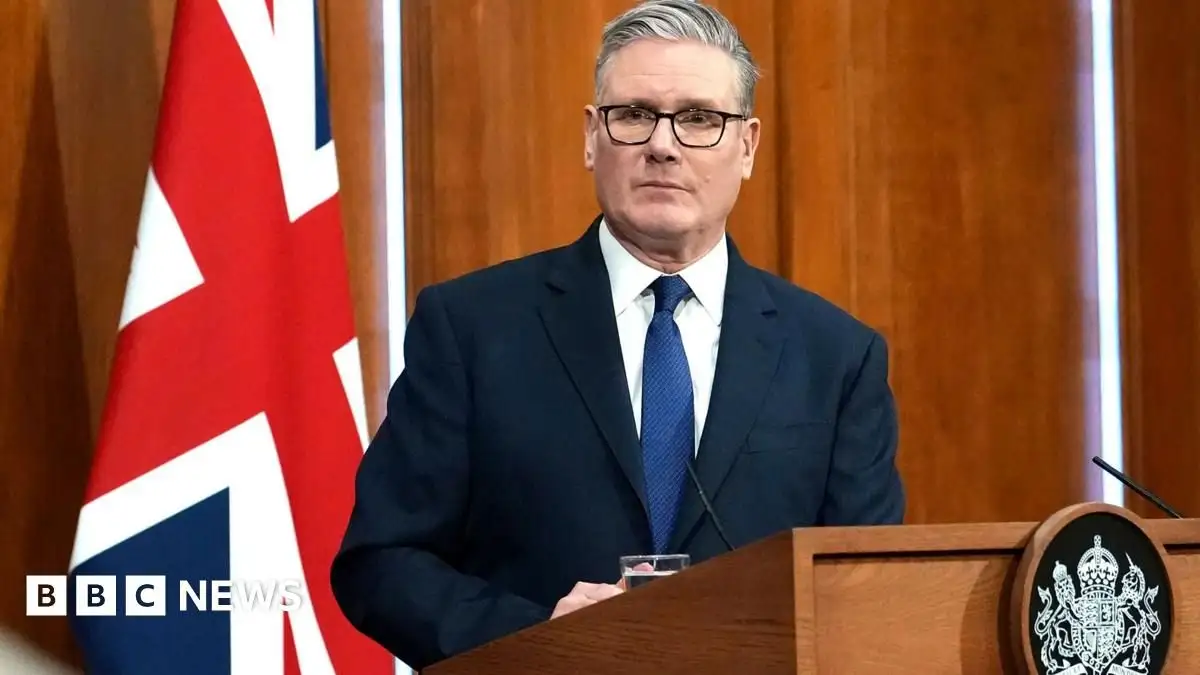
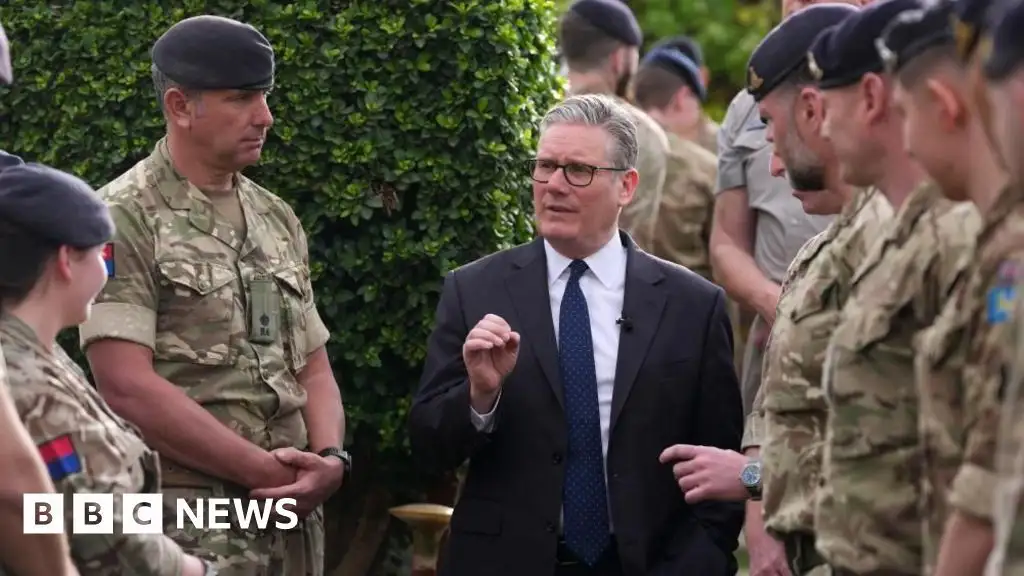
The conflict has exposed significant vulnerabilities in the UK's geopolitical standing and military readiness, pushing for a reevaluation of its international partnerships and defensive capabilities. Starmer's strategy appears to pivot towards reviving "British national interests and building resilience."
Reopening Hormuz: A Joint Endeavor
Discussions between Starmer and US President Donald Trump have centered on a "practical plan to get shipping moving again as quickly as possible" through the Strait of Hormuz. This initiative underscores the immediate economic repercussions of the conflict, particularly concerning energy supplies. Starmer's recent tour of the Gulf region, including stops in Qatar, Bahrain, Saudi Arabia, and the United Arab Emirates, signals a concerted effort to engage with key regional players on these critical issues.
Read More: Taiwan Holds Nantou County Drills to Prepare for State Collapse
Strained Ceasefire and Regional Tensions
The ceasefire itself appears precarious, with continued Israeli strikes on Lebanon creating significant disagreement over its scope. Pakistan acted as an intermediary in the initial ceasefire talks between Iran and the US, which Pakistan and Iran maintain includes Lebanon, a point Israel disputes. These ongoing hostilities underscore the fragile nature of the peace, raising questions about the effectiveness and inclusivity of the current agreement.
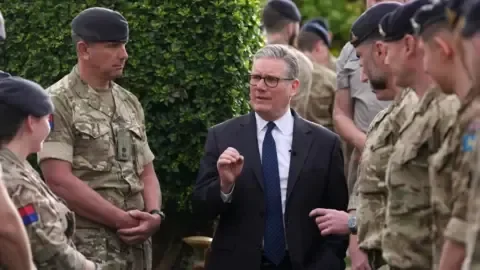
Shifting Alliances and European Re-engagement
In the wake of the conflict and amidst threats from President Trump regarding NATO's future, Starmer has signaled a desire for "closer ties with the EU." This proposed partnership would focus on enhanced cooperation in defense, security, energy, and the economy, recognizing "shared values, shared interest and our shared future." This approach appears to position Britain as seeking a more independent and cooperative stance, distinct from perceived US unilateralism, while still acknowledging the need for robust defense capabilities.
Read More: House Votes to Limit President's War Power on Iran
Background: A World on Edge
The six-week Iran conflict, now in a tentative ceasefire, has presented profound challenges to global energy markets and international relations. The near-total blockade of the Strait of Hormuz by Iran has been cited as the most severe disruption to energy supplies in recorded history. President Trump's announcement of the ceasefire followed diplomatic intervention, with Pakistan playing a key role as an intermediary.
The conflict has also brought to the forefront discussions about the UK's military readiness, with experts highlighting a perceived lack of capacity and defensive weakness. Starmer's stance, distinguishing between "defensive strikes" and direct participation, has sought to position the UK as a responsible actor, though this has drawn criticism and scrutiny, particularly in light of President Trump's increasingly aggressive rhetoric and potential threats to alliances like NATO. The UK's commitment to the alliance remains, despite Trump's frequent critiques of European defense spending.
Read More: FBI Analysts Review Georgia 2020 Election Data in Fulton County