Tensions are rising between the United States and Iran, with President Donald Trump considering significant military options. This comes as indirect talks regarding Iran's nuclear program are ongoing, but also facing a potential deadline. The US has significantly increased its military presence in the Middle East, leading to a heightened state of readiness on both sides. The prospect of renewed conflict carries substantial risks, given the past military engagements and the current volatile geopolitical climate.
Escalating Military Posture and Diplomatic Maneuvers
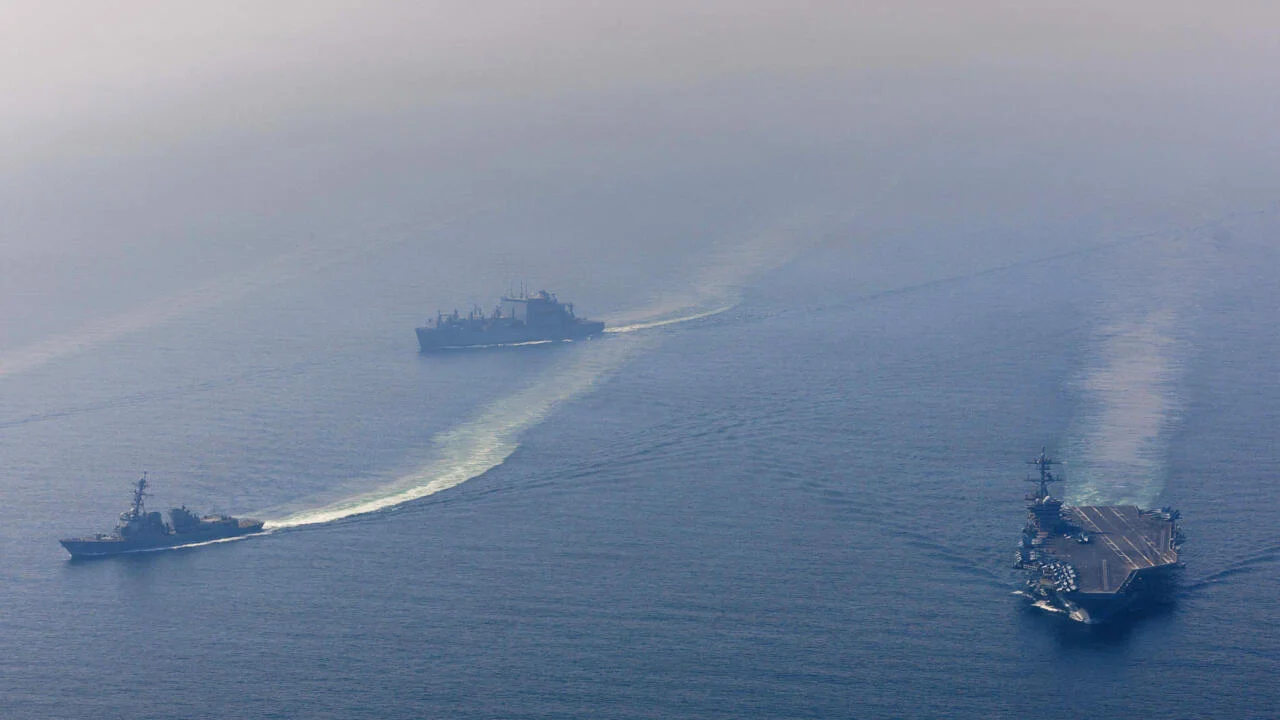
The United States has amplified its military deployment in the Middle East, a move interpreted by many as preparation for potential conflict.
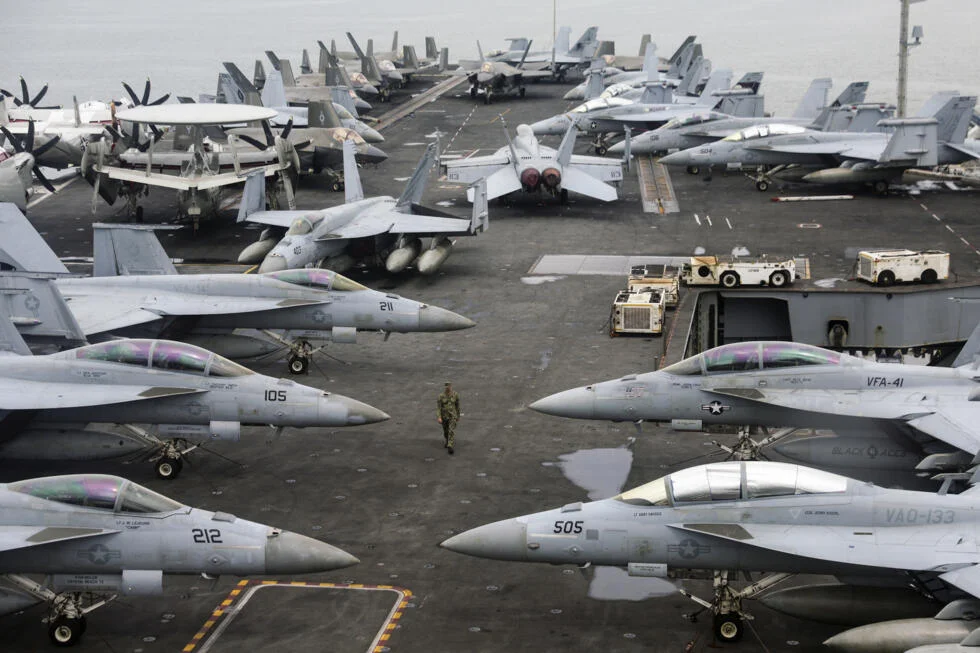
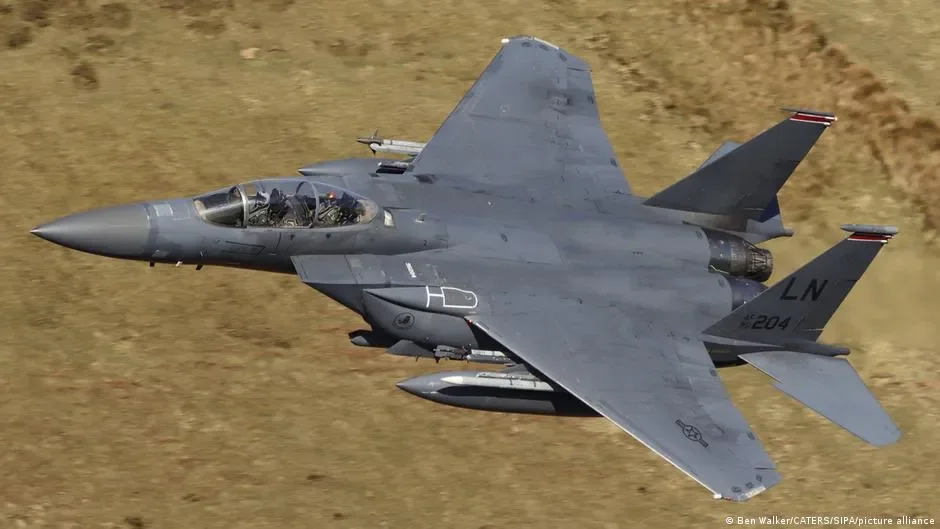
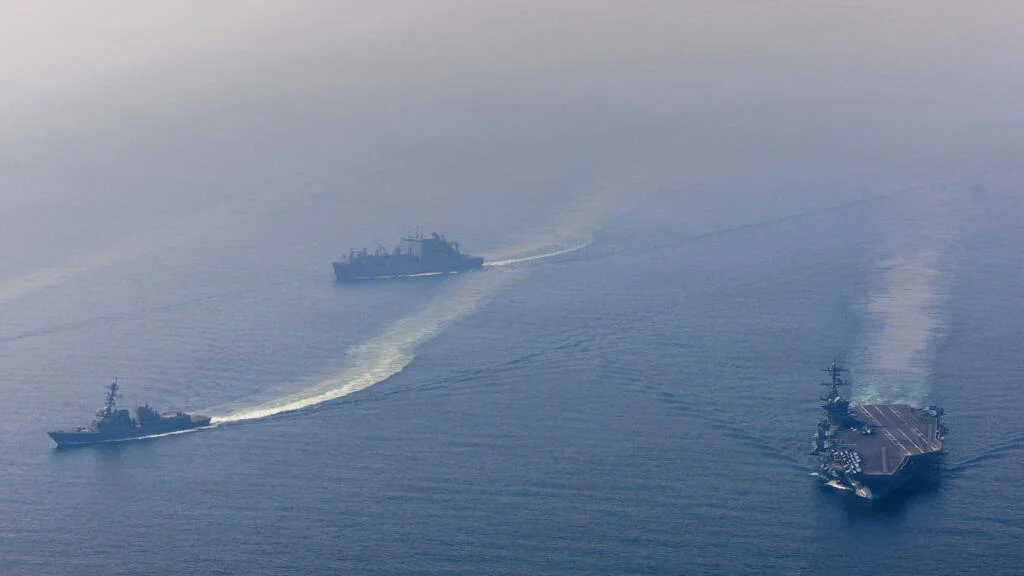
Naval and Air Force Buildup: The US has positioned 13 warships in the region, including the aircraft carrier USS Abraham Lincoln. Nine destroyers and three littoral combat ships are also part of this fleet, with additional vessels en route. This naval presence is complemented by a substantial deployment of fighter jets and refueling aircraft.
Carrier Group En Route: A second US aircraft carrier is also heading towards the Middle East, further underscoring the increased military readiness.
Indirect Talks: The US has engaged in a second round of indirect talks with Iran concerning its nuclear program. These discussions, held in Geneva, have seen Iran agree to provide a written proposal addressing US concerns.
Shifting Stances and Stated Objectives
Statements from both US and Iranian officials indicate a complex interplay of diplomacy and potential confrontation.
Trump's "Strong Options": President Trump has stated that the US is "looking at some very strong options" if Iran does not meet American demands, warning of "bad things" and "something very tough" if a deal is not reached. He has previously claimed to have "totally obliterated" Iran's nuclear program.
Iran's Stance on Nuclear Program: Iran consistently asserts that its nuclear program is for peaceful purposes. Officials indicate that uranium enrichment has not occurred since US and Israeli strikes last summer.
Concerns Over Talk Breakdown: There are suggestions that if talks falter, Iran's Supreme Leader Ali Khamenei might withdraw from negotiations.
Historical Context and Potential Ramifications
The current situation draws parallels to past military actions and raises concerns about the potential severity of any future conflict.
Read More: Karoline Leavitt White House Press Secretary Job Unsteady After Criticism
Previous Strikes: The US, alongside Israel, conducted strikes on Iranian nuclear sites last summer. This led to a significant destruction of Iran's nuclear facilities.
Future Targets: If military action is taken, key targets are likely to include Iran's leadership, given the damage to nuclear sites.
Regional Fears: Many Gulf states are reportedly hesitant to allow US use of their airspace or bases for attacks on Iran, fearing reprisal.
Potential Casualties: Protester deaths in Iran, related to ongoing demonstrations, have been estimated to be substantial, and a military conflict could exacerbate such human costs.
Expert Perspectives on Decision-Making
The rationale behind President Trump's approach to Iran remains a subject of discussion among analysts.
Unpredictability as a Strategy: Some analyses suggest Trump values unpredictability, which could keep Iran on high alert.
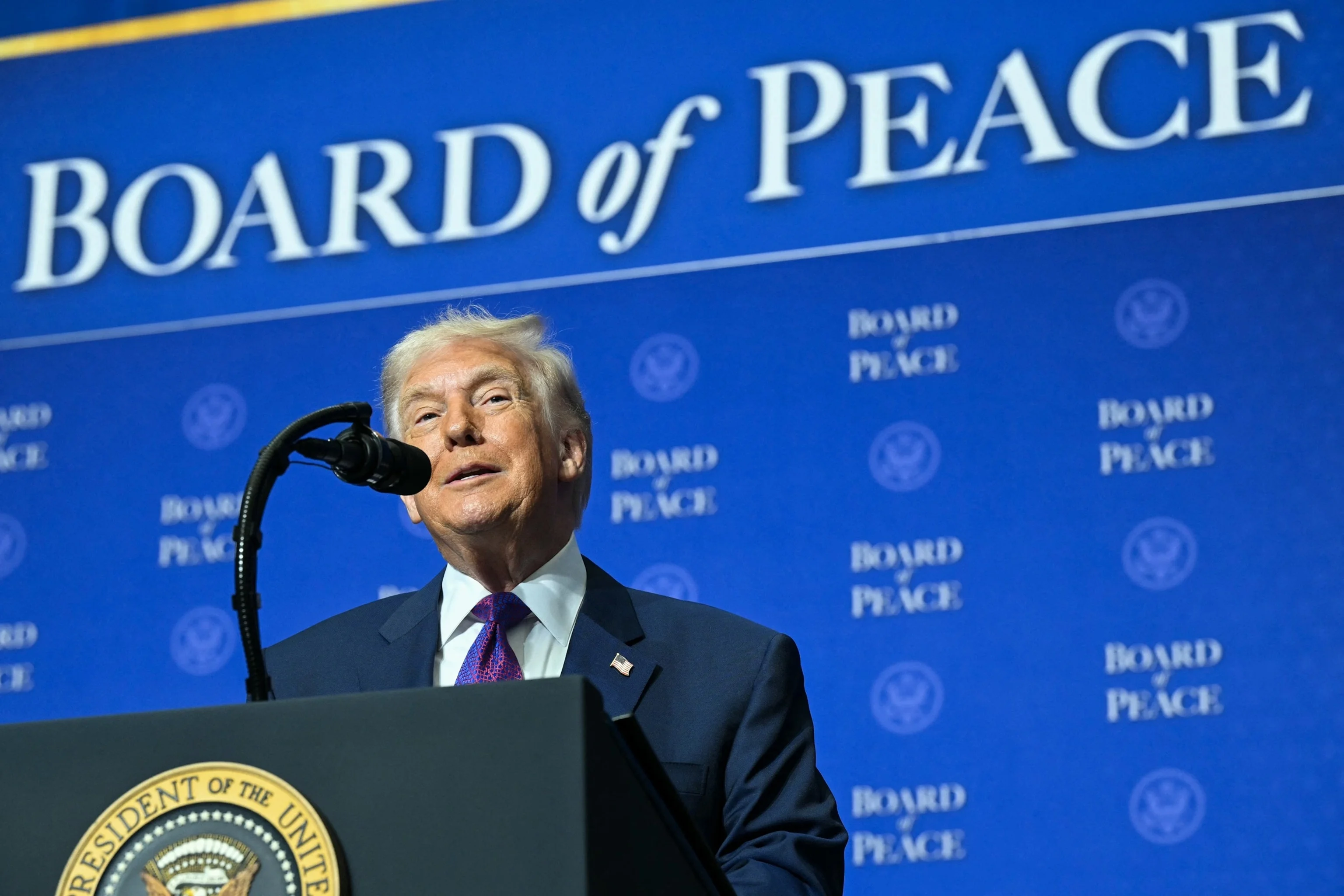
Domestic and International Factors: The consideration of war occurs amidst the backdrop of international efforts like the "Board of Peace," a body focused on rebuilding efforts in Gaza, which received a mandate from the UN Security Council.
Advisory Meetings: US national security advisers have met to discuss Iran, indicating high-level deliberations on the matter.
Evidence and Signals
Multiple sources point to the US preparing for a potential military engagement with Iran.
Increased Military Assets: The presence of 13 warships and a large fleet of aircraft, with a second carrier group approaching, indicates a significant build-up.
Presidential Warnings: Trump's public statements suggest a timeline and potential for decisive action if diplomatic efforts fail.
Iranian Military Drills: Iran has conducted joint military drills with Russia, signaling its own preparedness.
"Board of Peace" Timeline: A 10-day timeline is reportedly being considered in the context of the "Board of Peace" meeting, related to the decision on continuing talks or pursuing strikes.
Conclusion and Unanswered Questions
The United States appears to be escalating its military posture in the Middle East, coinciding with President Trump's stated consideration of "strong options" regarding Iran's nuclear program. While indirect talks are underway, the possibility of military strikes looms large. The specific triggers for such action and the full extent of the US administration's strategy remain subjects of ongoing assessment. The decision-making process, involving high-level security meetings and pronouncements from the President, is closely watched by regional and international actors.
Sources:
CNN Politics: https://www.cnn.com/2026/02/19/politics/trump-iran-strikes-nuclear-program-board-of-peace-analysis
Foreign Policy: https://www.foreignpolicy.com/2026/02/19/trump-war-iran-nuclear-china-taiwan-ukraine/
US News: https://www.usnews.com/news/world/articles/2026-02/19/iran-and-the-us-lean-into-gunboat-diplomacy-as-nuclear-talks-hang-in-balance
France24: https://www.france24.com/en/middle-east/2026/02/19/us-buildup-warships-fighter-jets-armada-sets-stage-potential-war-with-iran
ABC News: https://abcnews.go.com/Politics/trump-iran-10-day-timeline-board-peace-meeting/story?id=130302044
TIME: https://time.com/7345461/trump-military-intervention-iran-war-threats-death-toll/
The Guardian: https://www.theguardian.com/world/2026/jan/28/trump-threat-us-iran-war-armada-nuclear-programme