The nation's highest court has ruled against President Donald Trump's wide-reaching tariffs, striking down a core part of his economic policy. This decision limits the president's power to impose such taxes unilaterally, impacting global trade, businesses, and consumers. The ruling represents a significant setback for the president's agenda.
Background of the Dispute
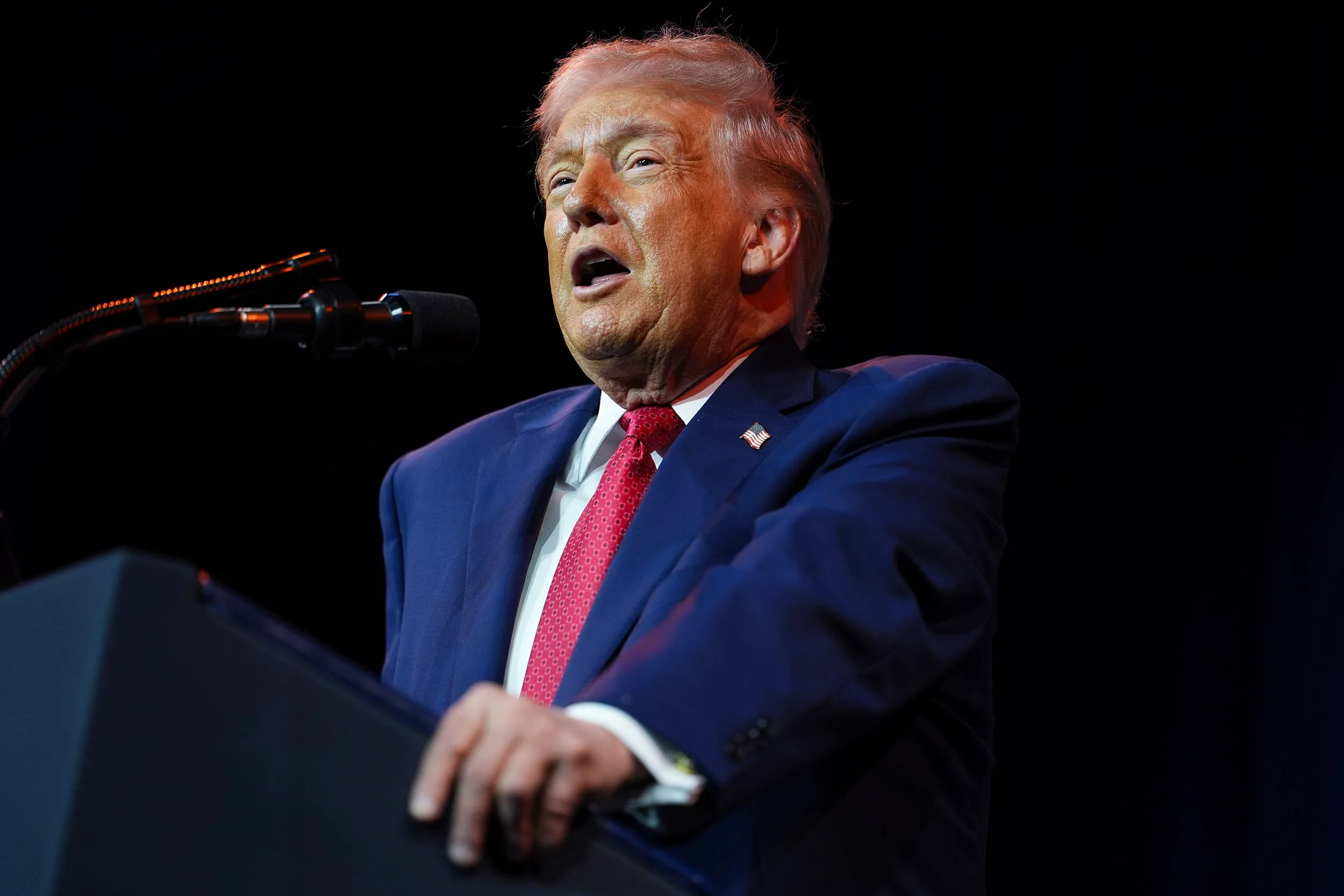
President Trump implemented broad tariffs, citing national emergencies, using powers granted under the International Emergency Economic Powers Act (IEEPA). These tariffs affected goods from nearly all of the United States' trading partners. Lower courts, including the U.S. Court of Appeals for the Federal Circuit, had previously ruled these tariffs illegal. The Supreme Court's review marked the first time it examined the legal basis of one of the president's second-term policies.
Supreme Court's Decision
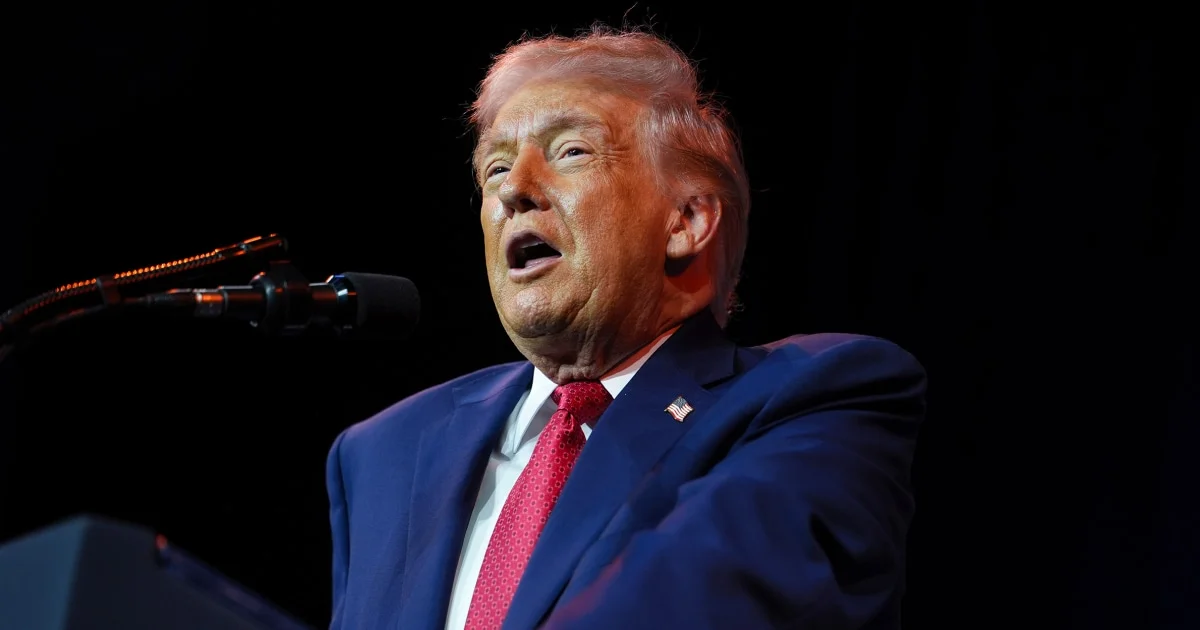
In a 6-3 majority, the Supreme Court ruled that President Trump exceeded his authority by imposing sweeping tariffs under the IEEPA. The court determined that this law, designed for national emergencies, does not grant the president the power to enact such widespread import levies.
Read More: US Supreme Court Rules Trump's Global Tariffs Unlawful in February 2026

The ruling invalidated a substantial portion of President Trump's tariff agenda.
It upheld previous decisions by lower federal courts.
The majority decision means the president cannot unilaterally impose these types of broad tariffs using the IEEPA.
Judicial Breakdown
The Supreme Court's decision saw a clear division among the justices:
Majority (6 justices): Ruled against the tariffs, finding they exceeded presidential authority under IEEPA.
Dissent (3 justices): Voted to uphold the tariffs. Justices Brett Kavanaugh, Samuel Alito, and Clarence Thomas were noted as dissenters. Justice Thomas cited a lack of historical precedent in his reasoning against the tariffs.
| Justices' Stance | Number of Justices |
|---|---|
| Against Tariffs | 6 |
| For Tariffs | 3 |
Implications of the Ruling
The Supreme Court's decision is expected to have wide-ranging effects:
Economic Impact: The ruling may influence global trade dynamics, affect companies reliant on imports, and potentially impact consumer prices and inflation. Tariffs imposed under IEEPA were a significant source of revenue for the U.S. last year.
Political Setback: This represents a major legal and political defeat for President Trump, particularly concerning his signature economic policies.
Presidential Authority: The decision clarifies and potentially restricts the executive branch's power to impose broad tariffs under emergency economic laws.
Reactions and Analysis
Market Reaction: U.S. stock markets showed relative stability, trading slightly higher following the ruling, suggesting the market had anticipated this outcome or was not significantly disturbed.
Public Opinion: Polling data indicates that tariffs are not broadly popular with the public, with concerns about affordability being a wider voter issue.
Shift in Court's Approach: This ruling marks a departure from previous instances where the Supreme Court had largely sided with the president on various policy challenges.
Key Takeaways
The Supreme Court's ruling against President Trump's tariffs is a definitive statement on the limits of executive power under the International Emergency Economic Powers Act. It signals a significant recalibration of presidential authority in economic policy and has opened questions about the future of broad tariff strategies employed by the administration.
Core Finding: President Trump lacked the legal authority to impose widespread tariffs under the IEEPA.
Vote Count: A decisive 6-3 majority supported this finding.
Consequences: The ruling undermines a central pillar of Trump's economic agenda and could alter trade relationships.
Sources:
Associated Press (AP): https://apnews.com/live/supreme-court-tariff-ruling-updates
NBC News: https://www.nbcnews.com/politics/supreme-court/live-blog/-trump-tariffs-ruling-supreme-court-live-updates-rcna252655
CBS News: https://www.cbsnews.com/news/supreme-court-tariffs-decision-trump/
The Washington Post: https://www.washingtonpost.com/national-security/2026/02/20/supreme-court-tariffs-ruling-trump/
CNBC: https://www.cnbc.com/2026/02/20/supreme-court-trump-tariffs-ruling.html?msockid=2b064b8a86ef62872fb45c8c87696338
Newsweek: https://www.newsweek.com/supreme-court-tariffs-ruling-decision-trump-live-updates-11555857