Eighteen prominent hospitality brands, including KFC, Nando's, and Burger King, have stepped back from their pledge to adopt higher chicken welfare standards. This move, citing concerns about supply chain resilience and environmental impact, has sparked criticism from animal welfare advocates.
The core issue is the withdrawal of these brands from the Better Chicken Commitment (BCC), a set of standards aimed at improving the lives of farm chickens. The BCC includes requirements for using slower-growing chicken breeds, reducing stocking densities, and improving living conditions. The companies involved state they are now working through a new industry group, the Sustainable Chicken Forum (SCF), to address these concerns.
Background of the Better Chicken Commitment
The Better Chicken Commitment (BCC) was established to address welfare concerns related to fast-growing chicken breeds, often referred to as "Frankenchickens." These birds grow at an unnaturally rapid rate, leading to significant health problems.
Read More: US Public Tired of Processed Foods; New Laws and Lawsuits Coming
Key Issues with Fast-Growing Breeds:
Muscle diseases
Bone deformities
Higher mortality rates
Lameness
Burns from lying in waste due to immobility
Several major food companies, including KFC, Burger King, and Nando's, had previously signed up to the BCC, committing to phasing out these breeds and improving welfare standards across their supply chains in the UK and other European countries.
Withdrawal from the Commitment
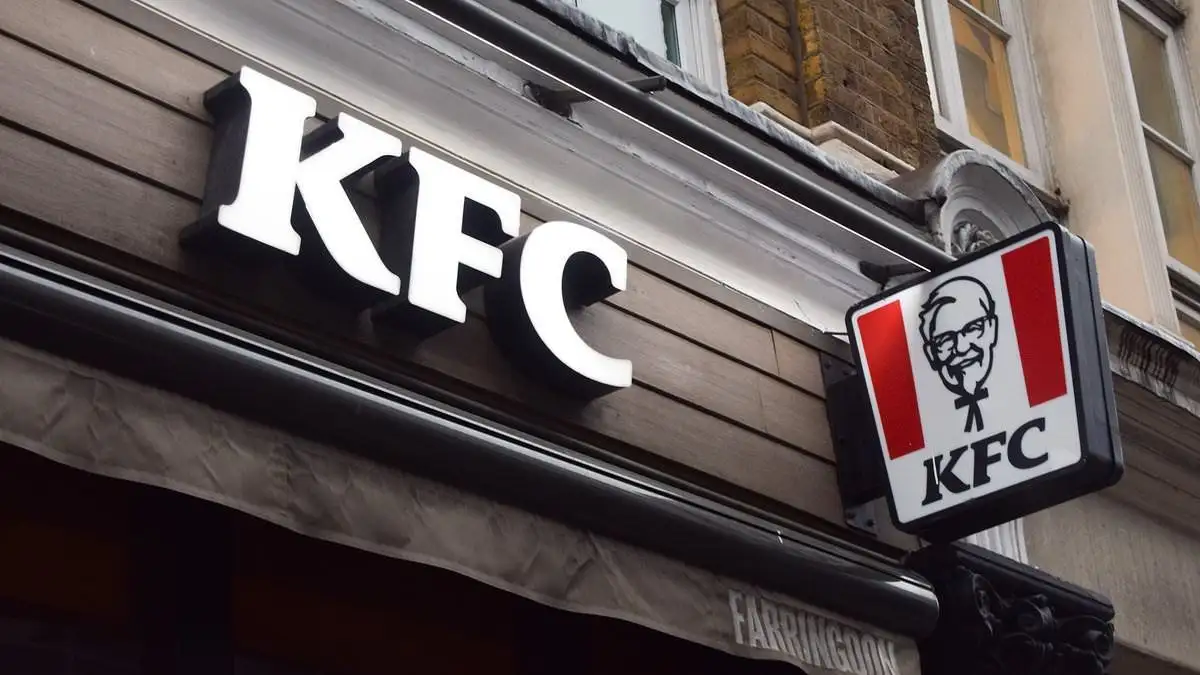
In a recent development, eight major food companies, representing 18 hospitality brands, announced they are stepping back from their BCC commitments. These brands include KFC UK & Ireland, Nando’s, Burger King, Pizza Hut UK, Taco Bell UK, The Restaurant Group, The Big Table, and Lemon Pepper Holdings (UK franchisee of Wingstop).
Stated Reasons for Withdrawal:
Belief that the BCC is not the correct framework for future welfare improvements.
Concerns about the requirement to switch exclusively to slower-growing chicken breeds.
The need to ensure consistent and secure supply chains amidst acute chicken supply pressures.
Arguments that slower-growing breeds have detrimental knock-on impacts, such as requiring larger farms and producing more greenhouse gas emissions.
These companies have collectively launched a new initiative, the Sustainable Chicken Forum (SCF), to work on improving chicken welfare while also balancing environmental concerns and supply pressures.
Criticism from Animal Welfare Groups
The withdrawal has been met with strong opposition from animal welfare organizations. Groups like Compassion in World Farming (CIWF) and The Humane League UK have expressed deep disappointment and concern.
Read More: Spencer Pratt Claims Dog Abuse in Los Angeles Skid Row
Key Criticisms:
The move is described as a "serious setback" for animal welfare.
It will result in the "continued use and abuse of hundreds of millions of birds."
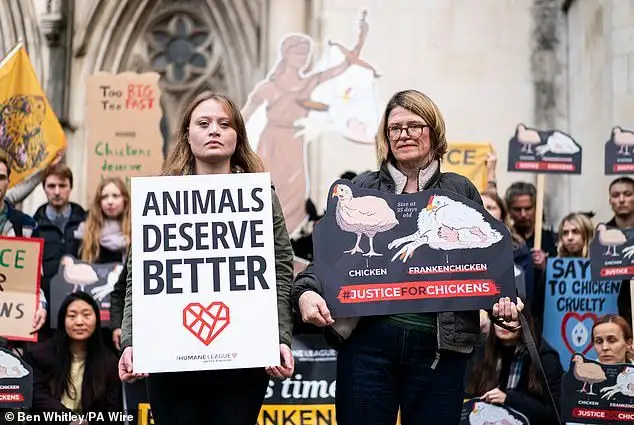
The Humane League UK has stated, "We will not rest until KFC comes to the table and sets out a new timeline for adopting the [Better Chicken Commitment]."
The situation is viewed by some as "foxes guarding the chicken coop," implying a lack of genuine commitment to welfare.
These groups are organizing protests and calling for the companies to reinstate their commitments or establish clear, new timelines for improving welfare standards.
The Sustainable Chicken Forum (SCF)
The formation of the Sustainable Chicken Forum (SCF) represents an alternative approach proposed by the participating companies.
SCF's Stated Objectives:
To advance chicken welfare.
To balance this with environmental sustainability and carbon reduction.
To address pressures on supply chains.
The SCF aims to develop industry-led solutions, suggesting a desire to find a path forward that acknowledges both welfare and practical business considerations. However, animal welfare groups remain skeptical about the SCF's effectiveness compared to the established BCC standards.
Contrasting Perspectives on Chicken Breeds
A central point of contention is the shift away from slower-growing chicken breeds.
| Perspective | Argument | Evidence/Support |
|---|---|---|
| Animal Welfare Advocates | Slower-growing breeds are essential for preventing severe health issues and suffering in chickens. | "Frankenchickens" suffer muscle diseases, bone deformities, lameness, and higher mortality rates. |
| Hospitality Brands/SCF | Slower-growing breeds have negative environmental impacts (more greenhouse gas emissions, higher water usage). | UKHospitality argues these breeds produce more greenhouse gas emissions and require more water. |
| Hospitality Brands/SCF (Cont.) | An exclusive focus on slower-growing breeds can disrupt supply chains and pose challenges to consistent sourcing. | Companies cite "acute chicken supply pressures" and the need for "long-term supply resilience." |
The debate highlights a complex challenge: how to reconcile the demand for improved animal welfare with the operational realities of large-scale food production, including supply chain stability and environmental impact.
Read More: Whey Protein Shortage Hits UK Stores After Food Industry Demand
Expert Analysis
Mr. Ben, spokesperson for The Humane League UK, stated, "The companies that have stepped back from the Better Chicken Commitment are knowingly choosing to continue supporting the production of ‘Frankenchickens,’ which suffer from debilitating health conditions due to their unnaturally rapid growth. This decision will prolong the suffering of millions of birds."
An unnamed representative from Compassion in World Farming (CIWF) commented, "While we acknowledge the complexities of supply chains, abandoning a commitment to scientifically-backed welfare standards is a significant step backward. We urge these companies to reconsider and engage constructively to find solutions that do not compromise animal welfare."
Findings and Implications
The decision by 18 major hospitality brands to withdraw from the Better Chicken Commitment signals a significant challenge to existing animal welfare standards in the poultry industry.
Key Findings:
Withdrawal from BCC: Brands are disengaging from a widely recognized welfare framework.
Formation of SCF: A new industry-led forum has been established, presenting an alternative approach.
Conflicting Priorities: A tension exists between animal welfare improvements (specifically regarding chicken breeds) and concerns about supply chain resilience and environmental impact.
Criticism Persists: Animal welfare groups continue to advocate for the original BCC standards and are actively protesting the companies' decisions.
The long-term implications hinge on whether the Sustainable Chicken Forum can demonstrably deliver meaningful welfare improvements that satisfy both the industry's operational needs and the ethical demands of consumers and welfare organizations. Without clear progress and transparency from the SCF, the criticism and public scrutiny are likely to intensify.
Read More: Millions of farm animals die during transport in US
Sources Used
Poultry News: Article detailing the withdrawal of 18 brands and the formation of the SCF, including reasons cited by companies and criticism from CIWF.
Link: https://www.poultrynews.co.uk/business-politics/18-major-hospitality-brands-step-back-from-better-chicken-commitment.html
The Caterer: Reports on Nando’s and Loungers among restaurants dropping the slower-growing chicken pledge, citing supply resilience and launch of SCF.
Link: https://www.thecaterer.com/news/nandos-and-loungers-among-restaurants-to-ditch-slower-growing-chicken-pledge
The Ecologist: Article focusing on brands breaking the "Frankenchickens" promise, highlighting the welfare issues associated with fast-growing birds and the role of The Humane League UK.
Link: https://theecologist.org/2026/feb/19/food-brands-break-frankenchickens-promise
Nation.Cymru: Discusses the animal welfare row erupting as major food firms exit the science-backed pledge, mentioning SCF and arguments about environmental impact.
Link: https://nation.cymru/news/animal-welfare-row-erupts-as-major-food-firms-exit-science-backed-chicken-pledge/
Newswire.pk: Reports KFC dropping its pledge to stop using 'Frankenchickens' in the UK, mentioning past commitments and lack of progress.
Daily Mail: Covers KFC dropping its pledge to stop using 'Frankenchickens' in the UK, detailing the growth rates, health issues, and planned protests by The Humane League UK.
Link: https://www.dailymail.co.uk/news/article-14121441/KFC-pledge-Frankenchickens-UK-poultry-welfare-animals-burger-king-greggs-M-S-Nandos-subway-Nestle.html