


As Christopher Nolan’s The Odyssey continues its theatrical run, a technical rift has emerged between the intent of the filmmaker and the reality of exhibition infrastructure. Because the feature was shot entirely on IMAX cameras—a historical first—the industry is currently struggling to translate a massive, square-leaning image into the diverse dimensions of global cinema houses.
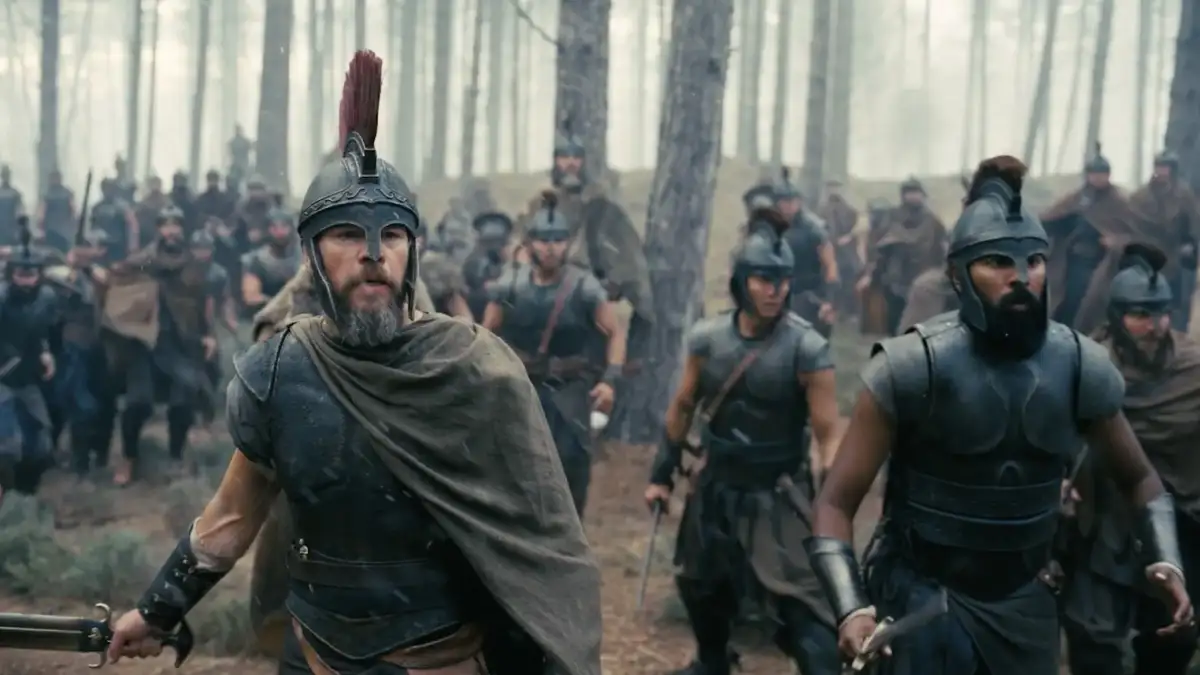
At the center of the controversy is the loss of image data. If a viewer selects a standard digital IMAX screening rather than a 70mm film projection, they are not merely watching a different format; they are seeing a different composition.

| Aspect Ratio | Experience Type | Image Retention |
|---|---|---|
| 1.43:1 | True 70mm IMAX | 100% (Full Frame) |
| 1.90:1 | Digital IMAX / Laser | ~60% (Cropped) |
| 2.39:1 | Standard Scope | ~40% (Significant Crop) |
The core tension lies in the math: a 1.90:1 digital projection necessitates cutting approximately 40% of the original vertical frame to prevent distortion on wider, shorter screens. Viewers attending non-70mm screenings are essentially consuming a center-cut window of the cinematographer's original frame.
Read More: The Devil's Rain 4K release sparks debate on cult status

The Myth of Universal Fidelity
The marketing surrounding The Odyssey emphasizes total immersion, yet access to the full 1.43:1 frame is geographically and technically restricted to a small list of specialized venues, such as AMC Lincoln Square in New York or the BFI IMAX in London. For the vast majority of audiences, the "immersive" experience is a simulated proxy.
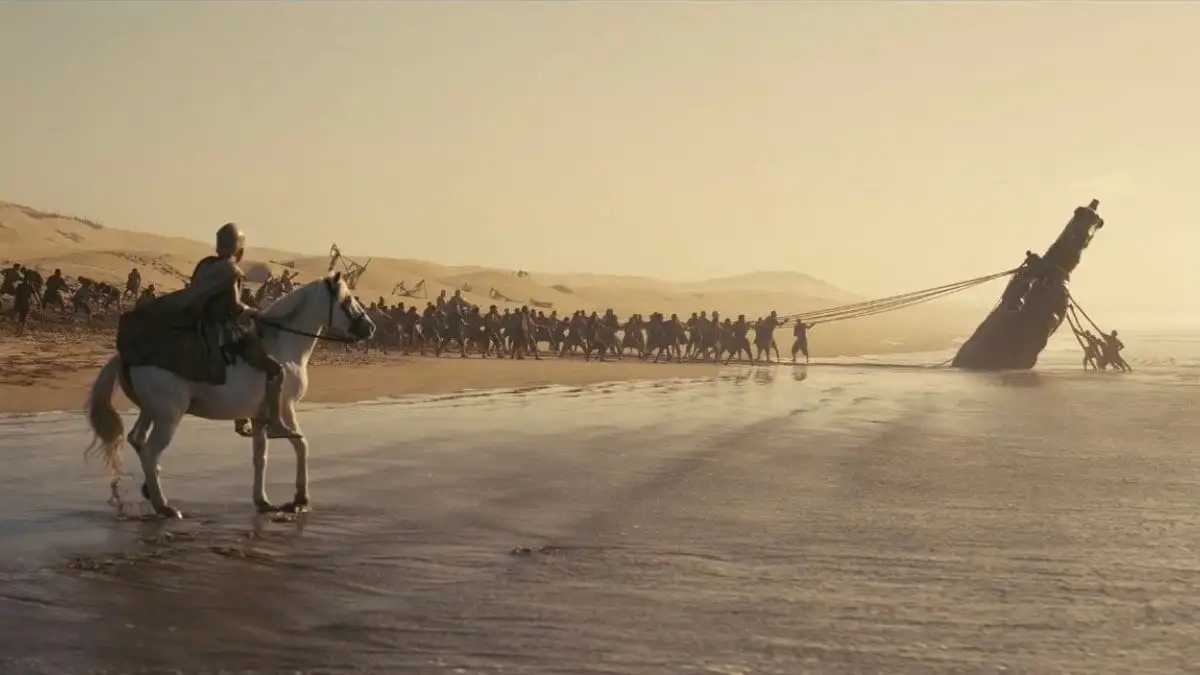
Technical Bottlenecks: Digital IMAX (Laser) is a digital translation of the physical film asset. It provides brightness and contrast, but it cannot expand the physical dimensions of the screen itself.
Compositional Impact: Because the entire film was shot on IMAX sensors, the director utilized the extreme height of the 1.43:1 ratio. Cropping this to a 2.39:1 scope or 1.85:1 flat ratio changes the weight of the visuals.
The 'Nolan' Preference: Nolan has consistently championed the 15/70mm format, noting it provides an 18K-equivalent resolution. By tethering the narrative to this specific physical medium, the production creates a hierarchy of viewing where "standard" theatergoers are structurally barred from seeing the complete image.
Reflective Context
The anxiety regarding this film reflects a broader anxiety in modern cinema: the friction between high-concept production and aging exhibition standards. We are witnessing a moment where the "prestige" film experience is defined by the hardware available in the theater rather than the content itself.
While some observers suggest the film's compositions are robust enough to withstand being cropped to standard aspect ratios, this ignores the primary directive of large-format filmmaking. By shooting exclusively on IMAX cameras, the production created an asset that technically demands a specific physical container to be viewed as intended. The current discourse reveals that, for many, the The Odyssey experience is no longer about the narrative, but about the mechanical capability of the room they are sitting in.
Read More: Chrome mimeHandler API lets extensions handle file types

:max_bytes(150000):strip_icc()/MORTAL-KOMBAT-II-LEWIS-TAN-050826-f54556c368f34929b0ed2ea7f658c792.jpg)



