


The central arc of the cinematic Mortal Kombat franchise has shifted decisively, as the death of Cole Young—the non-canonical protagonist introduced in the 2021 film—serves as the pivot point for the series' creative direction. Shao Kahn, portrayed by Martyn Ford, executes the character early in the film, signaling a transition away from original narrative inventions and toward the established game roster.
The decision to remove Young functions as both a concession to vocal fan criticism and a deliberate effort to reintroduce narrative risk within a genre often criticized for a lack of genuine stakes.
| Factor | Impact on Franchise |
|---|---|
| Canon Compliance | Marginalization of non-game characters in favor of core figures. |
| Narrative Stakes | Restoring consequence to the Mortal Kombat universe. |
| Character Shift | Transitioning the lead role to established icon Johnny Cage. |
Production Rationale and Fan Feedback
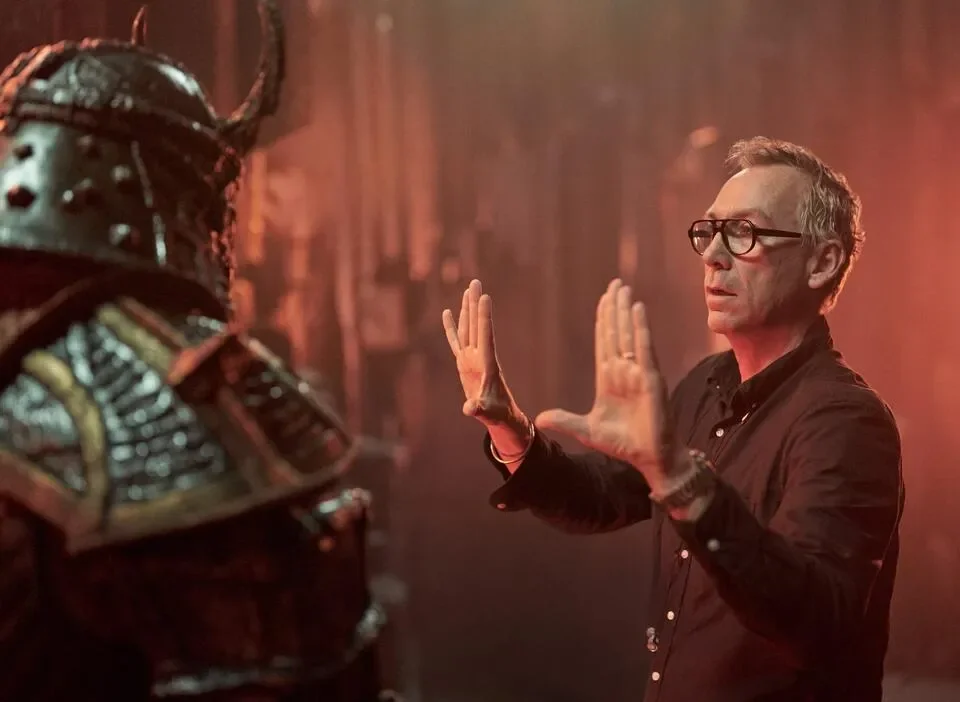
Director Simon McQuoid and screenwriter Jeremy Slater have framed the death not merely as a plot point, but as a calculated disruption of audience expectations. While franchise veterans like Liu Kang have faced their own fates within the cycle of resurrection, Young’s death was designed to anchor the threat posed by the antagonist.
Read More: Taylor Swift and Travis Kelce Marry at Madison Square Garden
Creative Choice: Slater identified the death of Young as a bridge between "casual fans" and "hardcore" enthusiasts, noting that the character was specifically built to be a point of divergence that did not land with established followers.
Meta-Commentary: The shift reflects a wider trend in film, where franchises attempt to correct "reboot fatigue" by retroactively disposing of characters deemed unpopular or unnecessary by legacy fanbases.
Future Ambiguity: Despite the visceral nature of the death, Lewis Tan has alluded to potential future roles, given the series' established logic regarding the Netherrealm and the fluid nature of character survival.
Contextualizing the Departure
The exclusion of Cole Young from promotional material for Mortal Kombat 2 functioned as an early warning for audiences, effectively signaling the shift in lead status to Karl Urban’s Johnny Cage. This tactical move mirrors, yet reverses, the controversial death of Johnny Cage in the 1997 film Mortal Kombat: Annihilation, providing a symmetry that fans of the franchise have frequently highlighted.
By neutralizing the only Character not sourced from the original Games, the production team claims to be grounding the Franchise in a reality where major figures are not immune to Violence. Whether this serves as a genuine evolution of the series or a performative capitulation to external Pressure remains a point of division in the discourse.


:max_bytes(150000):strip_icc()/MORTAL-KOMBAT-II-LEWIS-TAN-050826-f54556c368f34929b0ed2ea7f658c792.jpg)


:max_bytes(150000):strip_icc():focal(799x0:801x2)/nyc-sky-taylor-swift-travis-kelce-wedding-070326-2dc0d912004b400eac2c8c8b5adeff2a.jpg)
