Hyderabad, April 8, 2026 — The Telangana government has announced plans to integrate midwifery training programs across all its government nursing colleges. This initiative, unveiled during National Safe Motherhood Day celebrations, aims to bolster the number of trained midwives and promote natural childbirths, thereby countering the escalating rates of Caesarean sections. The push for increased midwifery expertise is a direct response to the growing reliance on surgical interventions for deliveries.
The expansion of midwifery training is positioned as a strategic move to enhance maternal healthcare and recalibrate delivery practices within the state's public health system.

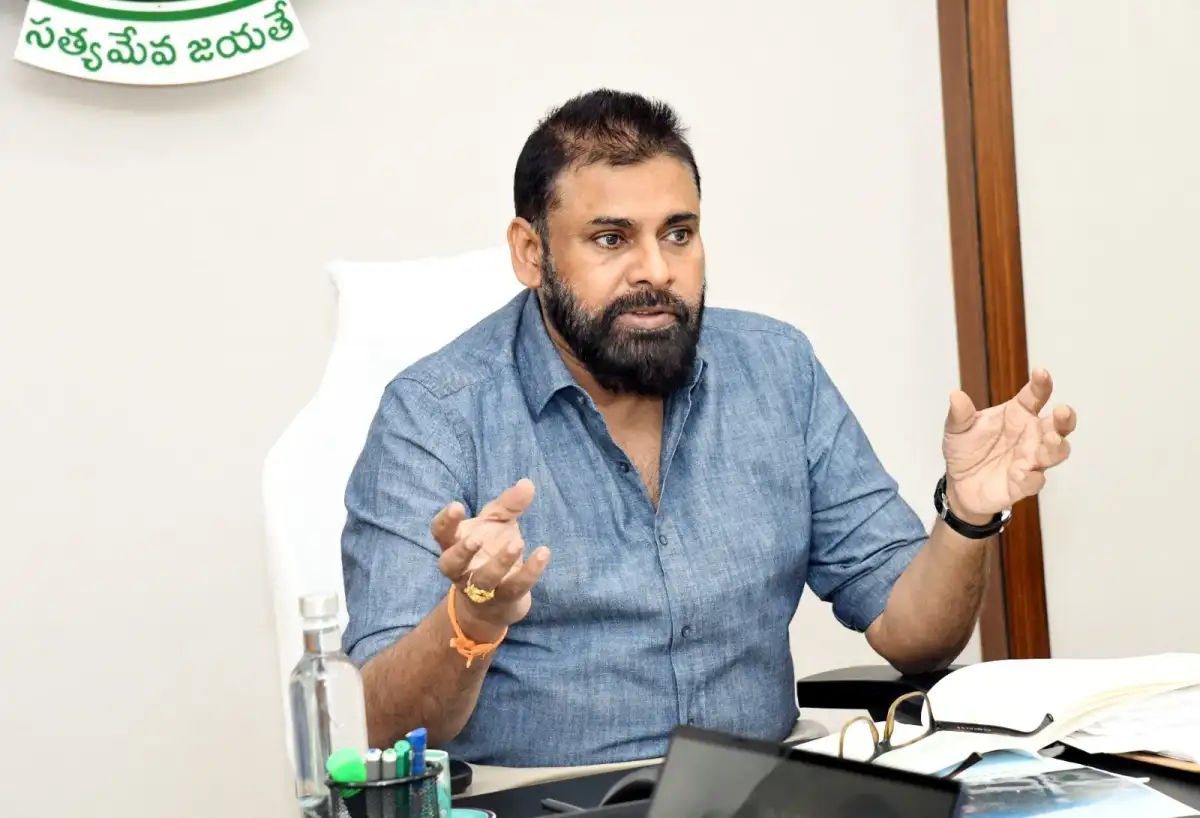
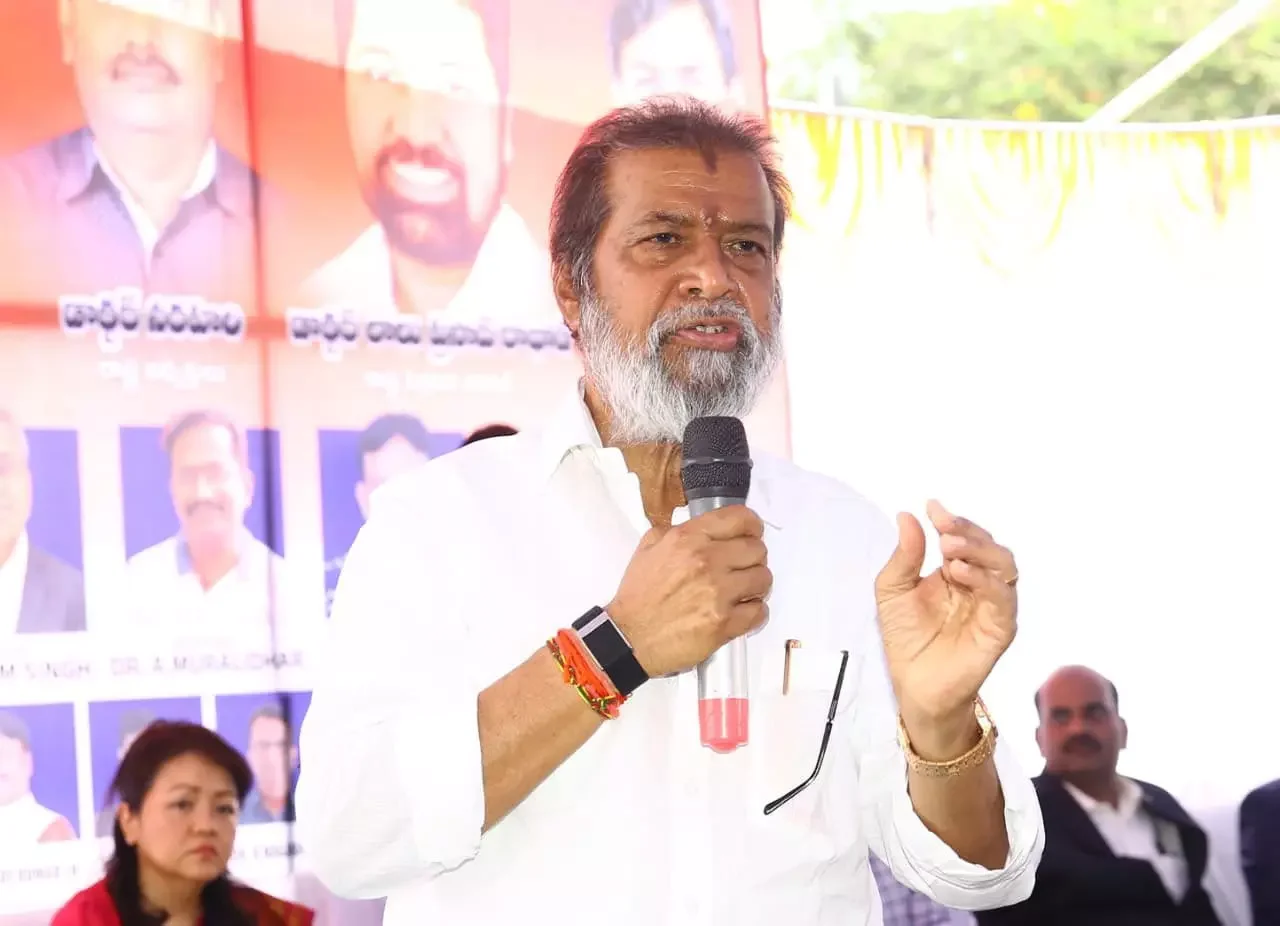
The announcement came from Health Minister Damodar Raja Narasimha at the National Midwifery Training Institute in Hyderabad. He emphasized the government's commitment to maternal well-being, stating that the new training programs are part of a broader strategy to encourage normal deliveries. This move signifies a deliberate effort to shift the paradigm in maternity care, moving away from a perceived over-reliance on surgical procedures.
Read More: India IVF Costs And Social Barriers Limit Access In April 2026
Strategic Focus on Midwifery Workforce
The government's strategy includes not only expanding training but also prioritizing the recruitment of nursing officers. New nursing colleges are also in development, indicating a sustained focus on building the healthcare workforce. The expansion of midwifery training is intended to increase the capacity for skilled attendance at births, particularly in government facilities.
This initiative builds upon existing efforts. The Fernandez Midwifery Initiative, a program developed in partnership with UNICEF and the Telangana government, has been instrumental in transforming midwifery education and clinical standards. It includes a Nurse Practitioner in Midwifery (NPM) program and a Professional Midwifery Education and Training (PMET) Programme. These programs have been credited with developing new working relationships and fostering a renewed approach to midwifery education.
Midwives as Agents of Change
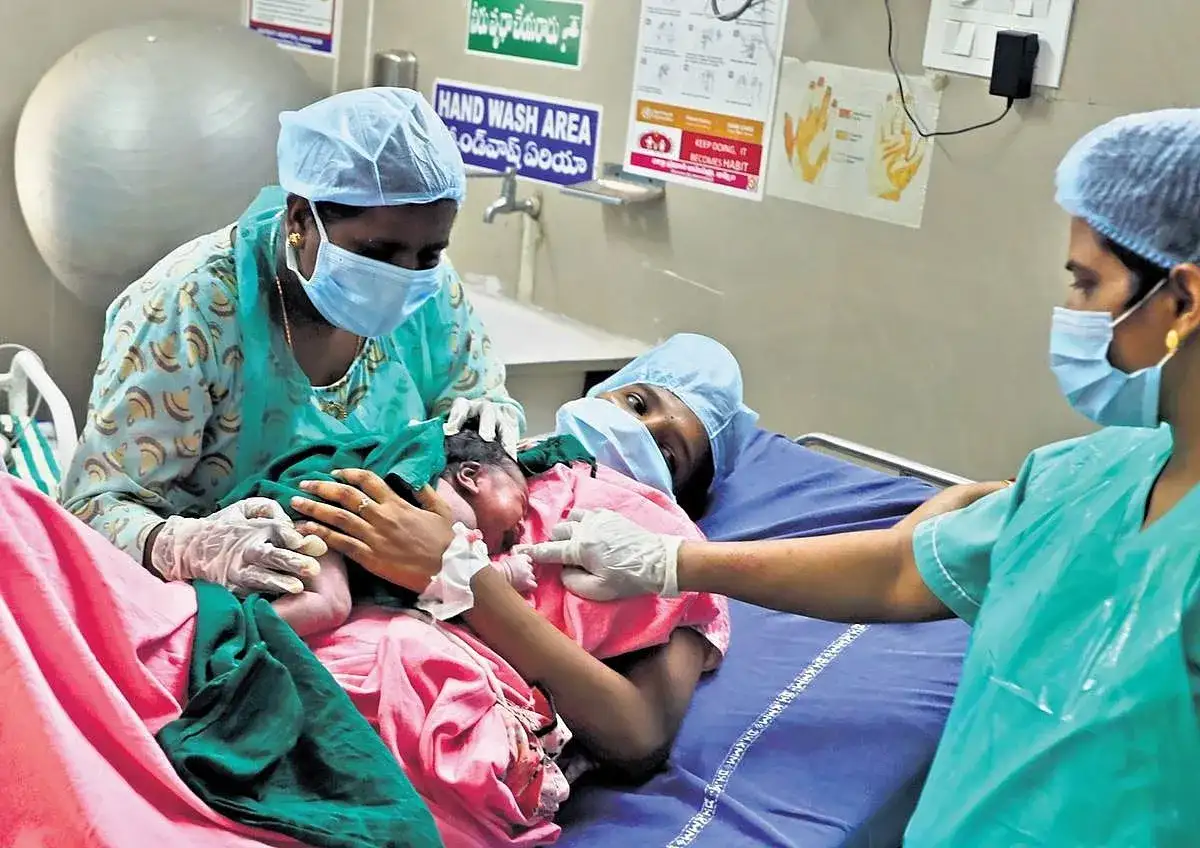
Previous reports highlight the significant role midwives play in facilitating natural births. Midwives, by handling an average of two deliveries per day, have demonstrated the ability to convert potential C-section cases into natural births. Their work often involves advocating for mothers' preferences for natural delivery and creating a supportive environment. However, challenges remain, including the potential for unnecessary medical intervention and a tendency for doctors to opt for C-sections, especially in cases with prior surgical history.
Read More: Telangana cancer data move, but treatment places lack staff
Telangana's midwifery program has seen substantial growth, expanding from an initial training of 30 midwives to a current cadre of 353 serving across the state. This expansion is viewed as a critical factor in improving maternal and neonatal health outcomes and ensuring respectful maternity care. The state is recognized as a pioneer in India for its dedicated midwifery initiative, aiming to usher in a new era of maternity care focused on respect and natural processes. Despite these advancements, midwives often navigate limited resources in various health centers.