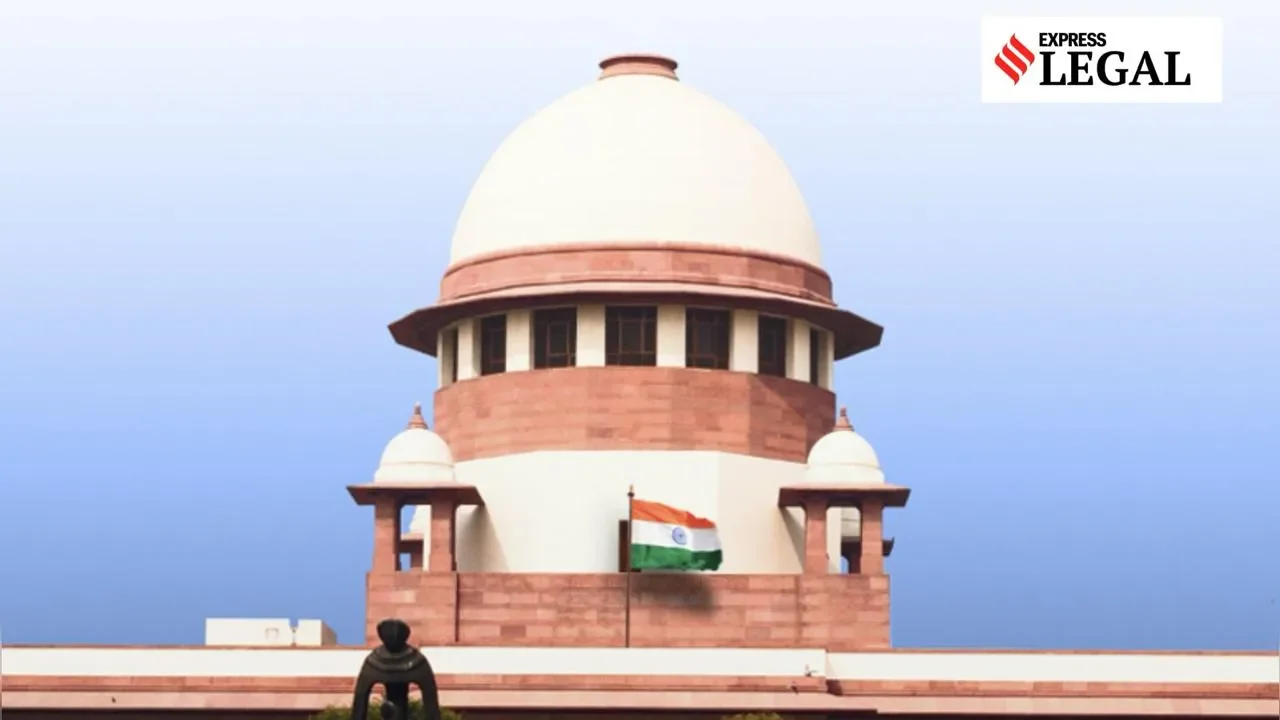
The Supreme Court has asserted its authority to determine what constitutes a superstitious practice within a religion, a stance met with objection by the Centre. Solicitor General Tushar Mehta, representing the government, questioned the court's capacity for such a determination, suggesting a secular court might lack the scholarly competence to distinguish between genuine religious practice and superstition. The bench, however, posited that matters like witchcraft, if claimed as religious practice, would clearly fall under the umbrella of superstition.
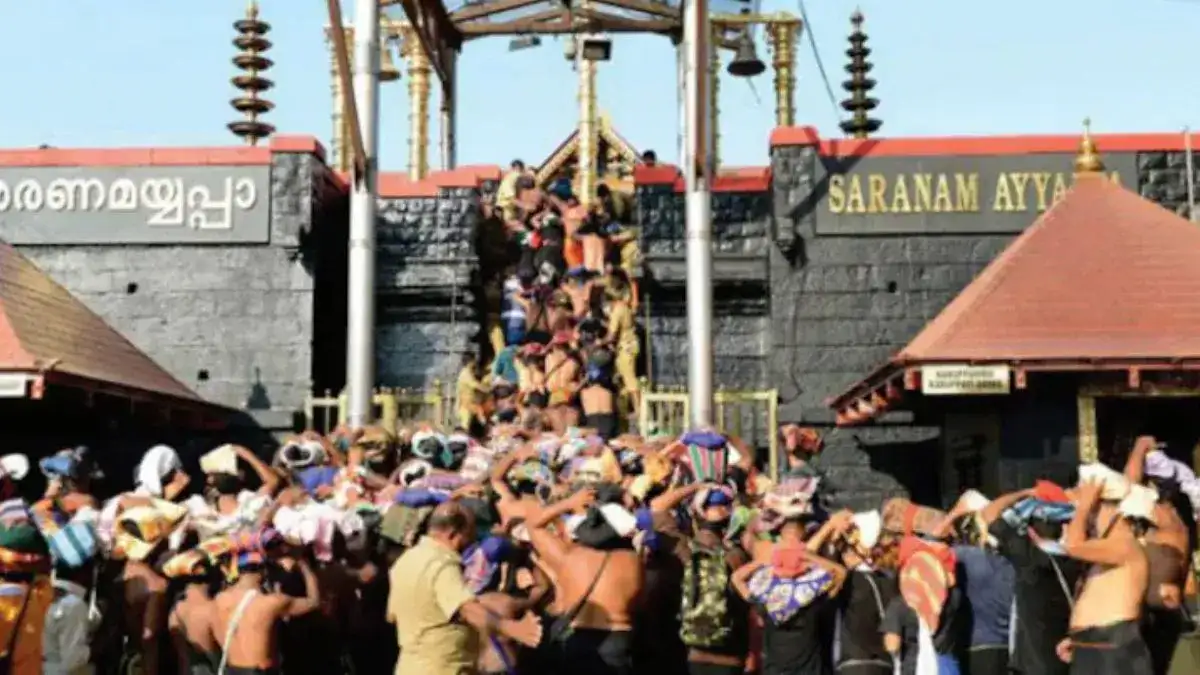
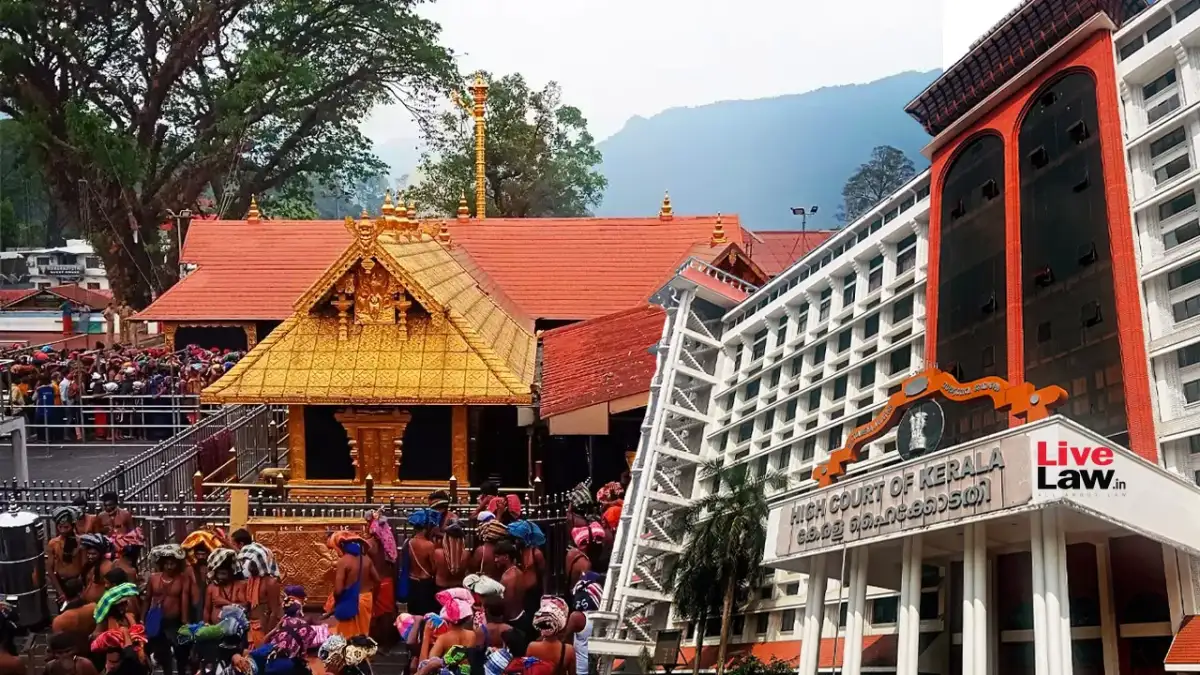
The core of the ongoing deliberation, centered on the Sabarimala temple women's entry case and broader issues of religious freedom, hinges on the court's power to adjudicate religious practices against the backdrop of fundamental rights and the Constitution.
The court is examining a set of seven critical questions that probe the very boundaries of religious freedom guaranteed under Articles 25 and 26 of the Constitution. These include the scope and interpretation of 'morality' within these articles, and whether it aligns with 'Constitutional morality'. The Centre, meanwhile, has voiced its dissent regarding the application of 'constitutional morality' as a basis for legislation, citing its subjective nature and advocating that past judgments on adultery and same-sex relationships, supposedly based on this principle, should be reconsidered.
Read More: Supreme Court Questions if Non-Devotees Can Challenge Sabarimala Temple Rules

Judicial Prerogative and Religious Autonomy
During the hearings, Solicitor General Tushar Mehta argued that not all religious practices should be framed as matters of personal choice or dignity. He contended that religions are not monolithic entities and that their practices should not be exclusively viewed through a gender lens. Mehta also raised concerns about the court's intervention in religious matters, stating that the court's role is not to substitute its own philosophy for a religion's self-understanding.

"A secular court cannot decide that a religious practice is mere superstition, because the court may not possess such scholarly competence." - Tushar Mehta, Solicitor General.
The Centre's defense of the restriction on women's entry into the Sabarimala temple is rooted in the claim that it is tied to the celibate tradition of Lord Ayyappa, rather than discriminatory bias. This argument posits that such restrictions fall within the domain of religious faith and denominational autonomy, purportedly beyond judicial review. However, the bench countered by suggesting that practices clearly violating public order, morality, or health, such as human sacrifice, would be rejected irrespective of their religious claim.
Read More: Ben Roberts-Smith loses final appeal, remains in prison
Historical Context and Broader Implications
The current proceedings before a nine-judge bench are revisiting earlier judgments on religious freedom, including the 2018 Supreme Court verdict that had lifted the ban on women aged 10 to 50 entering the Sabarimala shrine. The bench's deliberations are expected to have wide-ranging consequences, potentially impacting other cases concerning the entry of Muslim women into mosques and the rights of Parsi women married to non-Parsi men.
The hearings are set to continue, exploring the intricate balance between the right to freedom of religion and the constitutional guarantees of equality and non-discrimination. This judicial engagement underscores a persistent tension: whether the right of religious denominations to manage their affairs can supersede fundamental rights enshrined in Articles 14 and 15.
' Sabarimala ', ' Supreme Court ', ' religious freedom ', ' constitutional morality '