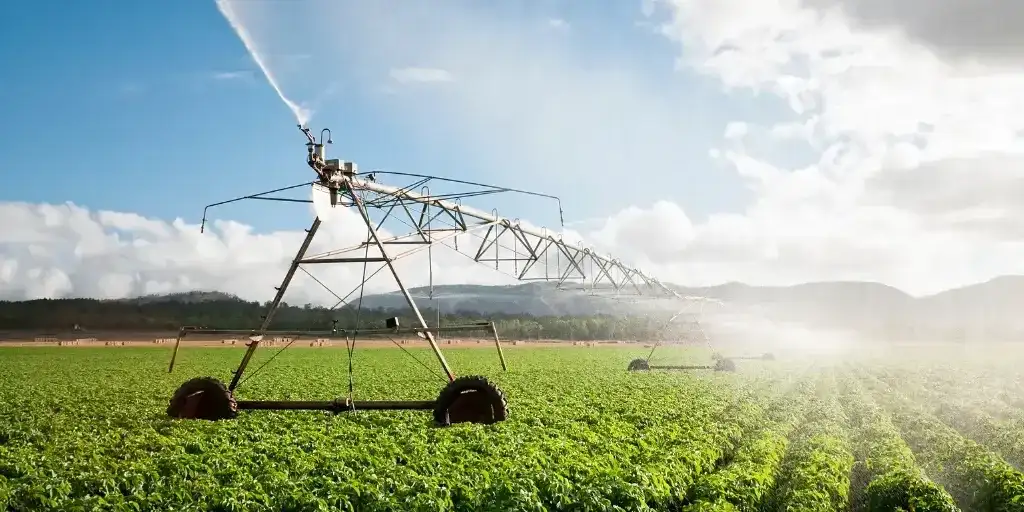
Telangana's Anti-Corruption Bureau (ACB) has initiated an investigation into alleged irregularities within the Department of Entomology (DE), focusing on the procurement and implementation of irrigation equipment. The probe targets decisions made concerning drip irrigation and sprinkler systems, materials vital for modern agricultural practices aimed at water conservation and crop optimization.

The ACB's action is rooted in concerns over potential mismanagement of funds and resources allocated for enhancing agricultural efficiency through advanced irrigation technologies. This development signals a critical juncture for the department, as it faces examination of its operational integrity amidst a backdrop of increasing climate challenges and the imperative for food security.
Procurement Practices Under Review
The investigation is examining the full spectrum of procurement processes, from the selection of suppliers to the installation and maintenance of the irrigation systems. Reports suggest a focus on the quality of materials, their cost-effectiveness, and adherence to technical specifications for projects across the state.
Read More: Acting DNI Pulte Fires Dozens of Intelligence Officials Starting Thursday
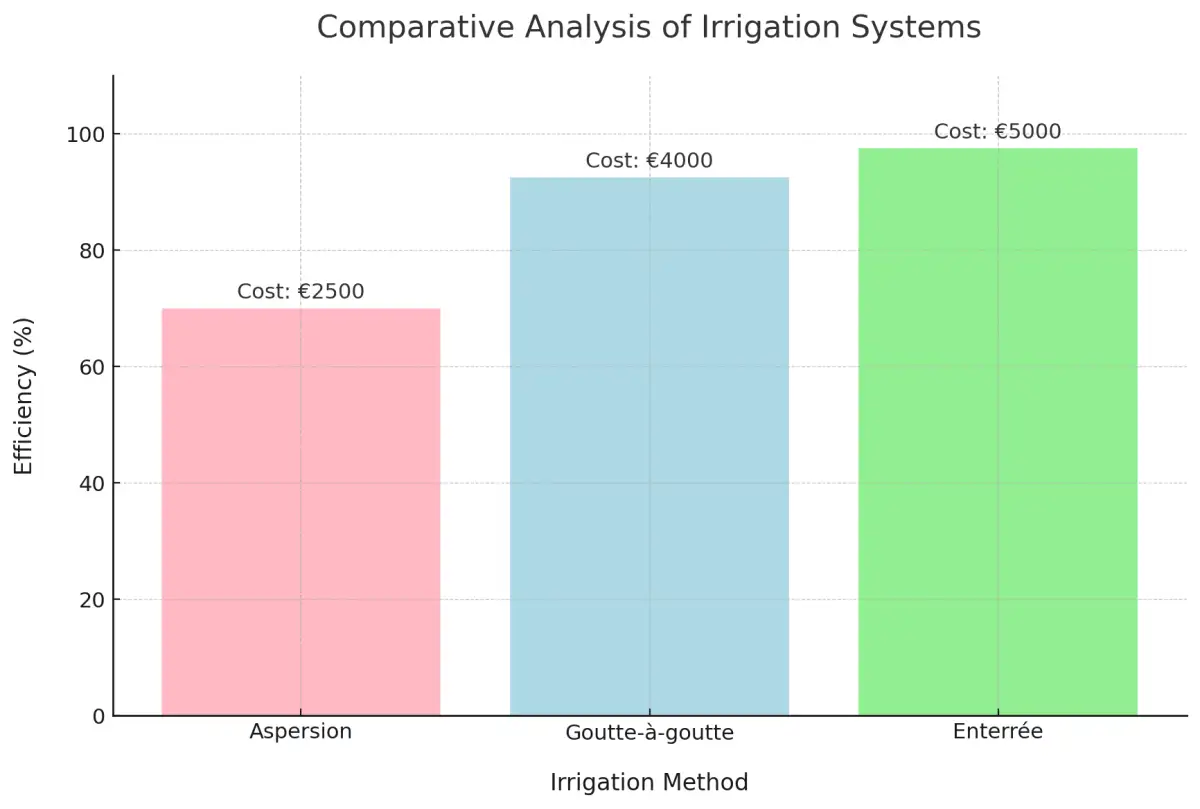
Specific attention is being paid to whether the chosen irrigation methods, such as drip-to-surface and buried drip, were appropriate for local soil conditions and crop needs.
The role of expert advice in system design and water management is also reportedly under scrutiny.
Broader Context: Water Management and Agricultural Modernization
The focus on irrigation equipment stems from the recognized importance of these systems in modern agriculture. Irrigation, by definition, is the artificial application of water to land to supplement the natural rainfall, enabling optimal crop development and securing food production.
Various methods exist, including surface irrigation (one of the oldest), sprinkler systems, and micro-irrigation techniques like drip irrigation, which deliver water precisely to the plant's base.
The choice of system is influenced by factors such as soil type, crop requirements, water availability, and cost, including energy prices which have seen recent volatility.
Technological Advancements and Environmental Considerations
Recent years have seen a push towards more precise irrigation techniques in response to climate change, water scarcity, and rising energy costs.
Micro-irrigation, or precision irrigation, is lauded for its efficiency, minimizing water wastage and nutrient runoff, thereby reducing environmental pollution and greenhouse gas emissions, such as methane from rice paddies.
Tools like moisture probes and weather stations are increasingly employed to optimize water management and plan irrigation schedules rigorously.
Government agencies also offer subsidies for water-efficient equipment, indicating a broader policy push towards sustainable agricultural practices.
Historical and Global Perspective
The use of irrigation has a long history, dating back to ancient civilizations. Its fundamental purpose remains to overcome the unpredictability of rainfall and exert human control over a crucial element for plant growth. However, limitations exist, including the availability of water resources, potential soil salinization, and the destination of water used. The current investigation in Telangana unfolds against this enduring global challenge of balancing agricultural needs with environmental sustainability.
Read More: New Wheat Makes Bigger Starch for Food and Industry