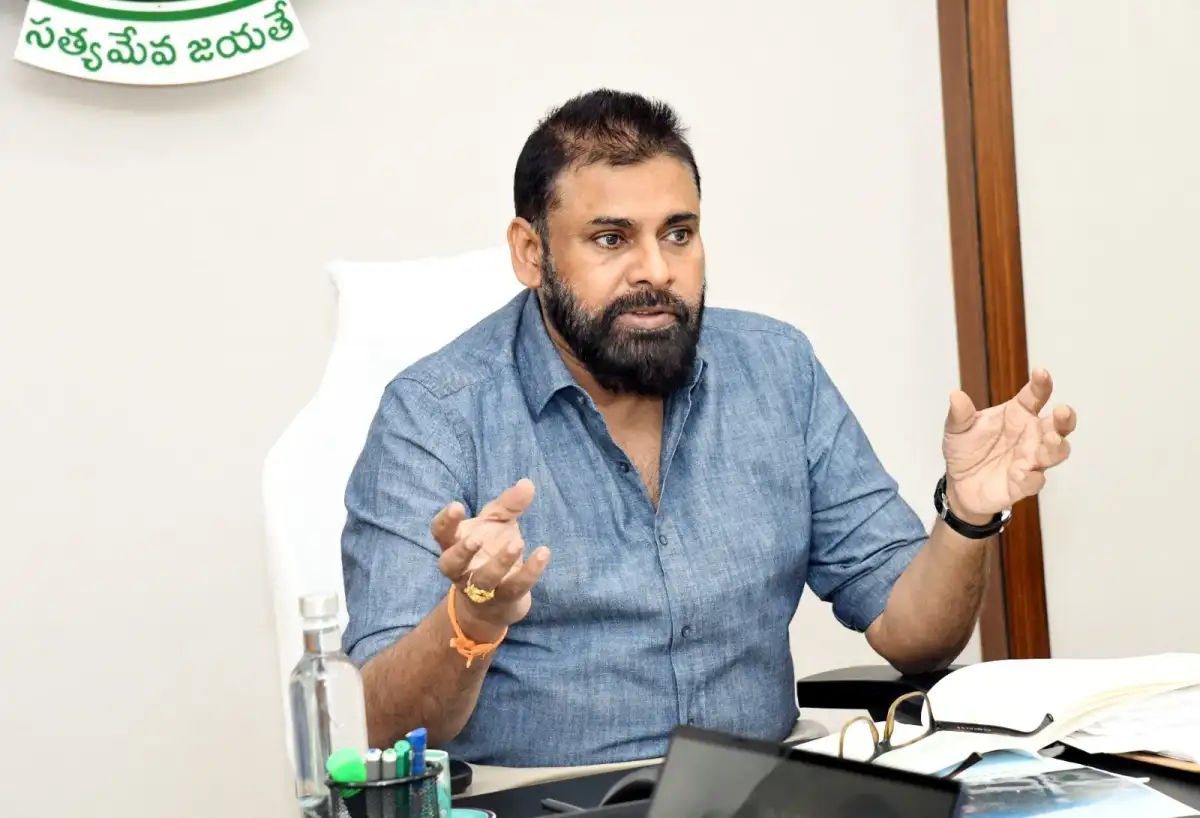
State officials recently reported to Minister Komatireddy Venkat Reddy that the number of tenders awarded under the Hybrid Annuity Model (HAM) in Telangana remains lower than those in Gujarat and Maharashtra. This discrepancy emerges as the state navigates a complex, high-stakes rollout of infrastructure projects currently totaling over ₹19,000 crore across various departmental packages.
The Roads and Buildings (R&B) Department is overseeing 441 projects covering over 6,000 kilometers at a cost of approximately ₹13,006 crore.
Simultaneously, the Panchayat Raj Department is managing 2,162 road works valued at ₹6,250 crore.
Global economic pressures—including sharp fluctuations in the price of bitumen (rising from ₹44,000 to ₹89,000 per metric tonne), fuel, steel, and cement—have significantly inflated project estimates, according to departmental assessments.
Political Friction and Procedural Delays
The initiative has become a flashpoint for local political actors. Opposition figures have raised allegations of irregularities and potential financial mismanagement regarding the scale of the HAM rollout. Minister Venkat Reddy has consistently refuted claims of "excess tenders," maintaining that the financial evaluation process is still active and no final commitments have been solidified for contested packages.
The state's narrative remains focused on long-term utility. Proponents argue that the Hybrid Annuity Model secures road quality by mandating 15-year maintenance cycles, which officials suggest will minimize long-term repair costs compared to traditional construction models.
Read More: Two building collapses in India kill 6 people
Infrastructure Deployment Strategy
| Component | Target / Scale |
|---|---|
| Model | Hybrid Annuity Model (40% Govt / 60% Contractor) |
| R&B Scope | 6,092 km (441 works) |
| Panchayat Raj | 7,450 km (2,162 works) |
| Primary Goal | Connecting mandal to district and state headquarters |
The government maintains that these projects are essential to regional connectivity and economic growth. Efforts to stabilize the sector have included the release of ₹150 crore in pending bills to reassure smaller contractors, who remain wary of payment delays. As of today, the government aims to finalize agreements and begin ground-level works in the coming months, even as opposition groups continue to demand transparency through investigative inquiries.