The Western Dedicated Freight Corridor (WDFC), a project aimed at segregating freight from passenger rail, has reached a state of full operational readiness. This development follows a successful trial run on the final 102-kilometer stretch between JNPT and Vaitarna. The completion signifies the culmination of a long-planned shift toward a distinct freight network designed for increased speed, scale, and reliability in the movement of goods.
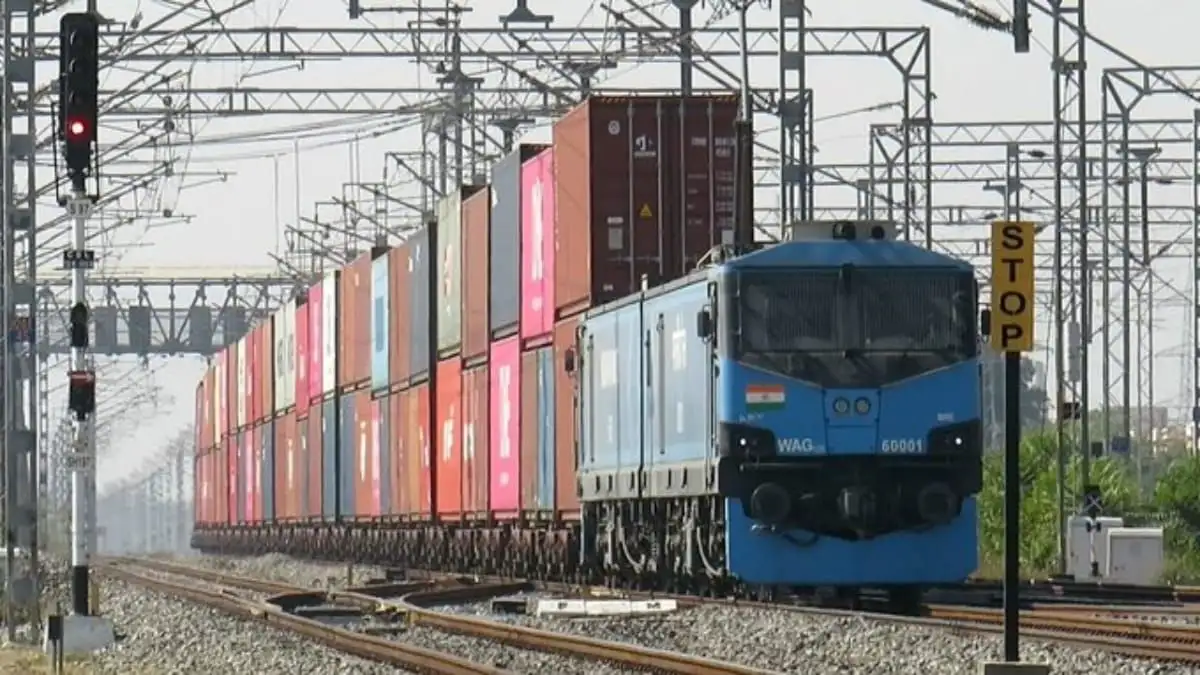
The WDFC, spanning approximately 1,483 kilometers, is intended to create a parallel, high-capacity rail grid. This parallel system operates with a distinct logic, separating cargo from passenger traffic to enhance efficiency. The corridor links Jawaharlal Nehru Port Terminal (JNPT), India's largest container port, with Dadar in Uttar Pradesh, a key logistics hub near Delhi. Officials suggest this infrastructural change could lead to lower logistics costs, a greater share for rail in cargo transport, and improved industrial competitiveness.
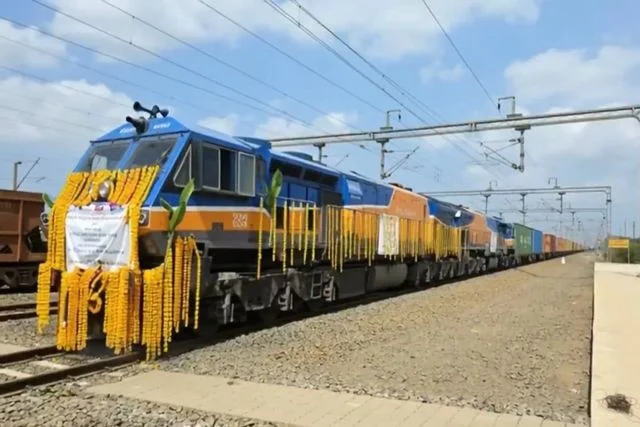
Network Completion and Operational Readiness
The recent trial run, involving simultaneous operations of two container trains in opposite directions on the JNPT–New Saphale section, served as a demonstration of the system's readiness. This final segment's electrification and double-line infrastructure are now considered fully functional. The Dedicated Freight Corridor Corporation of India Limited (DFCCIL), a government entity under the Ministry of Railways, has overseen this project.
Implications for Logistics and Transport
"The successful trial run of freight trains marks the completion of the entire Western Dedicated Freight Corridor (WDFC) on March 31, 2026, with operations carried out on the JNPT–New Saphale (Vaitarna) section."
This completion is projected to significantly bolster India's freight capacity, potentially doubling it. The decoupling of container movement from the existing, often congested, road networks around Mumbai, particularly through the strategically vital JNPT-Vaitarna stretch, is expected to reduce port dwell times. Furthermore, the separation of freight and passenger lines is designed to enhance overall network capacity and reduce transit times for goods.
Project Context and Future Expectations
The WDFC is part of a larger initiative that includes the Eastern Dedicated Freight Corridor (EDFC), which stretches from Ludhiana in Punjab to Sonnagar in Bihar, covering about 1,337 kilometers. Together, these corridors are framed as the foundational elements of India's high-capacity freight rail network. The successful commissioning of the WDFC is expected to introduce immediate operational advantages, leading to more efficient and seamless goods movement across western India. The improvements are anticipated to contribute to greener freight transport and a stronger national logistics backbone.