)
The recent 13th parliamentary election in Bangladesh has brought about a significant political transformation, with Tarique Rahman of the Bangladesh Nationalist Party (BNP) sworn in as the new Prime Prime Minister. This transition occurs as Bangladesh navigates complex domestic and international challenges. A central issue is the demand for the extradition of former Prime Minister Sheikh Hasina from India, a move that could profoundly impact relations between the two South Asian neighbors. Simultaneously, the Rahman administration faces the intricate task of managing trade and geopolitical ties with major global powers like the United States and China, while also addressing internal concerns such as minority security.

Background of Political Change
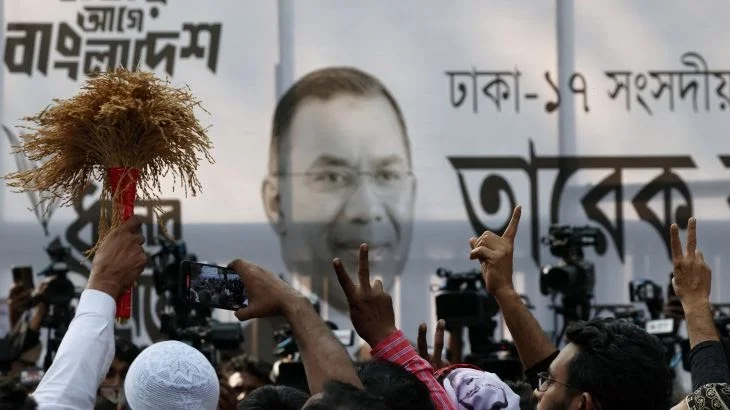
Following a decisive victory in the 13th parliamentary elections, the BNP, under the leadership of Tarique Rahman, has assumed power. This outcome marks a notable shift in Bangladesh's political landscape. The BNP's campaign prominently featured the issue of Sheikh Hasina's extradition from India, a demand that has been formally communicated to New Delhi.
Read More: Zohran Mamdani Elected NYC Mayor: First Muslim and South Asian Leader

The Bangladesh Nationalist Party (BNP) secured a significant mandate in the election.
Tarique Rahman has been sworn in as the Prime Minister.
The BNP's platform included the extradition of former Prime Minister Sheikh Hasina.
The Sheikh Hasina Extradition Issue
A primary point of contention between Bangladesh and India is the presence of former Prime Minister Sheikh Hasina in India. The BNP government has formally requested India to extradite Hasina, citing legal processes and national sovereignty. This demand is rooted in an existing bilateral extradition treaty between the two countries.
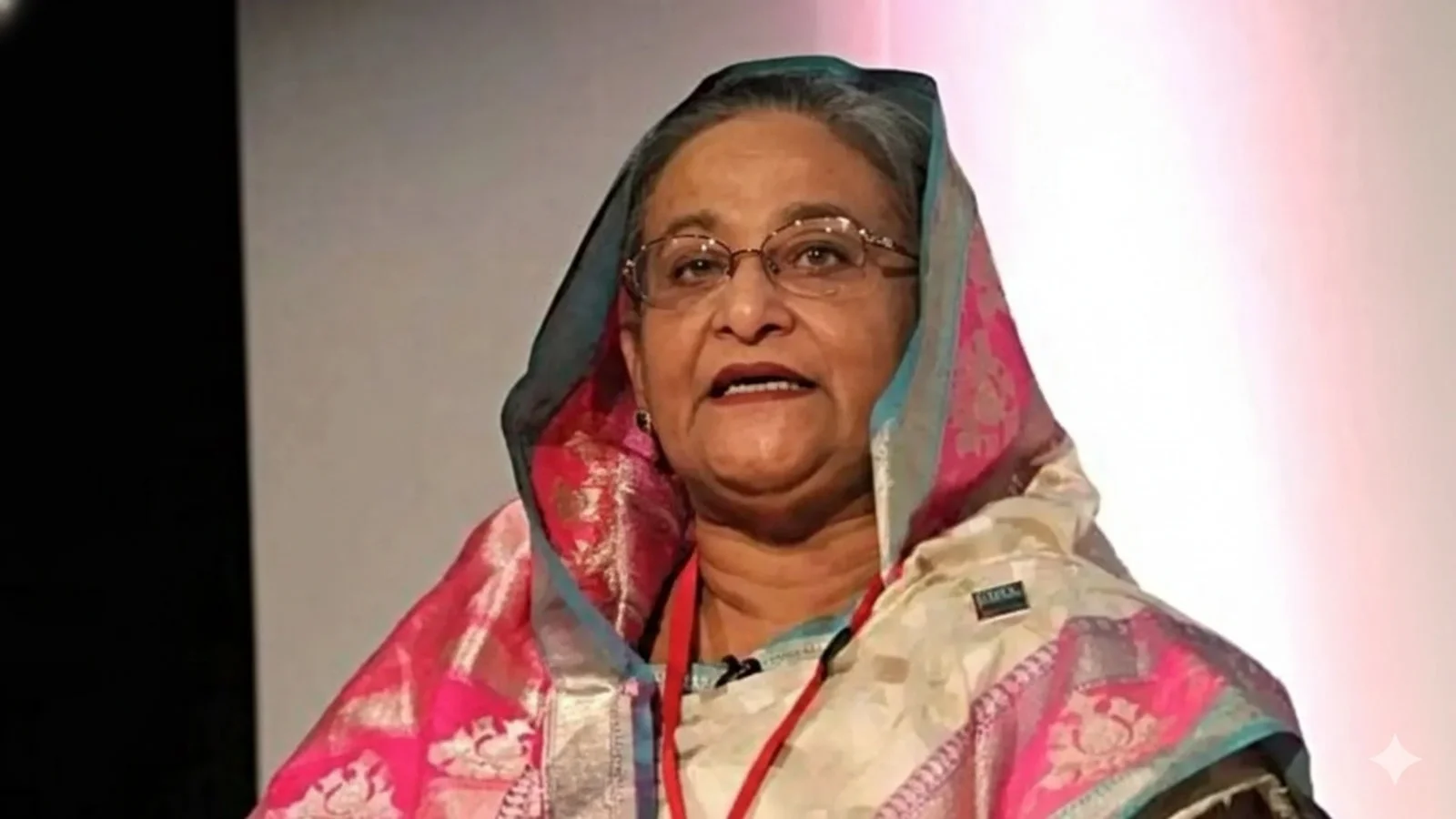
Bangladesh has formally requested the extradition of Sheikh Hasina from India.
The BNP argues that India harboring Hasina undermines Bangladesh's justice system.
An extradition treaty exists between India and Bangladesh.
Geopolitical and Economic Balancing Act
The new government in Bangladesh faces the challenge of balancing its economic and trade relationships with both the United States and China. Both nations are crucial economic partners, and maintaining stable ties will be a key focus for the Rahman administration.
Bangladesh aims to balance trade relations with the US and China.
Both the US and China are vital economic partners for Bangladesh.
India-Bangladesh Relations at a Crossroads
The political shift in Bangladesh and the extradition demand for Sheikh Hasina have placed India-Bangladesh relations at a sensitive juncture. Security cooperation and border management have historically been central to the engagement between the two nations. India is also mindful of potential risks related to anti-India elements in Bangladesh's political sphere.
Read More: US Intelligence Helped Mexico Kill El Mencho in Tapalpa Operation
India-Bangladesh ties are at a sensitive crossroads due to the political changes.
Security cooperation remains a key aspect of engagement between the two countries.
India has expressed caution regarding potential anti-India forces.
Regional Security and Stability
India's engagement with Bangladesh is also influenced by concerns over regional security. The BNP's stated interest in maintaining social stability in Bangladesh aligns with India's broader security interests in the region.
Maintaining social stability in Bangladesh is seen as intersecting with India's regional security concerns.
Expert Perspectives
"The outcome has redrawn the political map of South Asia and placed India-Bangladesh relations at a sensitive crossroads."— Firstpost
"For India, few friendships have been as strategically valuable - and as politically costly - as its long embrace of Bangladesh's former leader Sheikh Hasina."— BBC News
"India is cautious about the potential rise of anti-India forces in Bangladesh’s interim or future governments."— News18
Conclusion and Future Implications
The ascendancy of Tarique Rahman and the BNP to power in Bangladesh signifies a substantial political recalibration. The immediate future will likely be defined by the diplomatic negotiations surrounding the extradition of Sheikh Hasina. The success of the Rahman government in managing its relationships with key international players, particularly India, the US, and China, will be critical. Furthermore, addressing domestic priorities, including minority security, will shape the nation's trajectory. The complex interplay of these factors will determine the stability and direction of Bangladesh in the coming period.
Sources Used:
Zeenews.india.com: Bangladesh: From Hasina's extradition to balancing geopolitical ties, what lies ahead for Tarique Rahman. Published: 7 minutes ago. https://zeenews.india.com/world/bangladesh-from-hasinas-extradition-to-balancing-geopolitical-ties-what-lies-ahead-for-tarique-rahman-3021551.html
Firstpost.com: Sheikh Hasina’s extradition and more: Can India-Bangladesh ties be repaired?. Published: Feb 16, 2026. https://www.firstpost.com/explainers/india-bangladesh-ties-sheikh-hasina-extradition-bnp-jamaat-elections-explained-13980333.html
Hindustantimes.com: BNP's balancing act with India: Want Sheikh Hasina back, but also improved ties. Seen on: Bing. https://www.hindustantimes.com/world-news/bangladesh-election-bnp-balancing-act-with-india-want-sheikh-hasina-back-but-also-improved-ties-101770727611834.html
Indianexpress.com: ‘Send Sheikh Hasina back’: Bangladesh renews extradition push with India after Tarique Rahman-led BNP’s thumping election victory. Published: Feb 13, 2026. https://www.indianexpress.com/article/world/bangladesh-election-results-bnp-demands-sheikh-hasina-extradition-india-ties-10530875/
News18.com: Can Tarique Rahman Mend India-Bangladesh Ties? Will Sheikh Hasina’s Extradition Be A Sticking Point?. Published: Feb 15, 2026. https://www.news18.com/india/can-tarique-rahman-mend-india-bangladesh-ties-sheikh-hasinas-extradition-a-sticking-point-ws-l-9904850.html
Counterview.net: Bangladesh after Hasina: The BNP's win and the India question. Published: 13 hours ago. https://www.counterview.net/2026/02/bangladesh-after-hasina-bnps-win-and.html
Bbc.com: Hasina's conviction for crimes against humanity is testing India-Bangladesh ties. Published: Nov 20, 2025. https://www.bbc.com/news/articles/c17p4z8q9zko