Key Takeaways
Divergent Responses: While President Trump's emphasis on combating cartels and fentanyl resonated with Republican and Independent voters, it elicited a less enthusiastic response from Democrats.
Policy Shift: The administration appears to have transitioned from a public health approach to a more enforcement-focused "war on drugs" strategy concerning fentanyl.
Effectiveness Debated: Evidence suggests a reduction in fentanyl seizures at the border, with administration officials attributing this to the crackdown. However, experts and some data raise questions about the overall impact and approach.
Voter Reception to Trump's SOTU Remarks on Fentanyl and Cartels
During a recent State of the Union address, President Trump's remarks concerning his administration's efforts to crack down on drug cartels and fentanyl were met with differing reactions from voter demographics. Data gathered for Fox News Digital by Maslansky & Partners indicated that Republicans and Independents responded more favorably to these statements. Conversely, Democrats showed less enthusiasm.

This suggests a political divide in the perception of the effectiveness and desirability of the administration's drug interdiction policies.
The "dial" polling, a method used to gauge real-time reactions, captured these shifts in voter sentiment as the address progressed.
Evidence of a Strategic Shift: From Public Health to "War on Drugs"
Over the past year, President Trump's administration has notably shifted its approach to the fentanyl crisis, moving from a focus on public health initiatives to a more forceful, law enforcement-centric strategy. This pivot is underscored by actions such as military strikes against drug boats and an executive order that Attorney General Pam Bondi described as a move toward "total elimination" of cartels.

"War on Drugs" Resurgence: Some observers, like CNN's historian of the "war on drugs," view these actions as a rekindling of a more aggressive, enforcement-heavy drug policy, a departure from approaches seen as less effective or declining in recent years.
Contrasting with Previous Policies: This shift is partly attributed to President Trump's assertion that prior efforts, including those focused on public health, were unsuccessful. This viewpoint is contrasted with claims by Defense Secretary Pete Hegseth, who has stated that military actions are having a deterrent effect.
Exaggerated Claims?: While top officials have made strong claims about reducing drug deaths, NPR reports that data from the U.S. Drug Enforcement Administration indicates Canada plays a minimal role in the U.S. fentanyl crisis, raising questions about the scope of the attributed success.
Fentanyl Interdiction: Border Successes and Lingering Questions
The Trump administration has highlighted successes in curbing fentanyl flow into the United States, pointing to measures that have reportedly hampered cartel operations. Department of Homeland Security Assistant Secretary Tricia McLaughlin credited a multi-pronged strategy, including law enforcement surges and economic pressure, for a reduction in fentanyl trafficking.
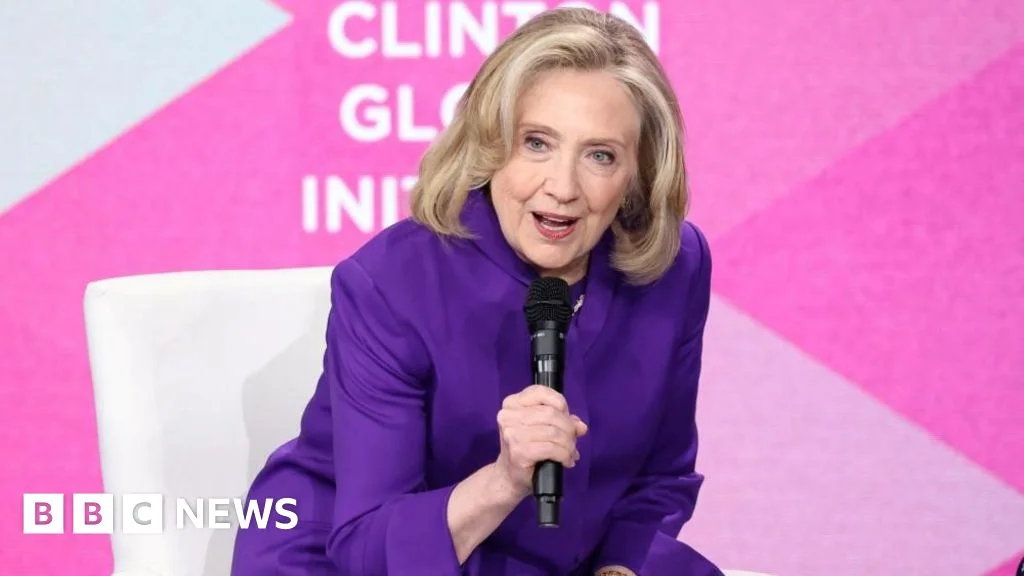
Read More: Hillary Clinton Testifies Feb 26 2026 About Jeffrey Epstein in Chappaqua

Decreased Seizures: Data from Customs and Border Protection (CBP) indicates that fentanyl seizures at the southern border have been roughly cut in half month-over-month since President Trump took office.
Mexican Cooperation: Arthur, cited in one report, suggests that pressure on Mexico to clamp down on cartels is a key factor behind the decline in fentanyl trafficking.
Expert Concerns: Despite these reported successes, some experts express reservations. Keith Humphreys, a drug policy researcher, voices concerns about a potential overemphasis on a "full-scale drug war" at the expense of treatment and public health. Even addiction experts who advocate for a stronger response have voiced unease with the administration's rhetoric.
Voter Perception of Crime and Crackdowns
President Trump's broader crime crackdown initiatives have been met with a mixed reception among the electorate. While Americans generally perceive crime as a persistent issue in major U.S. cities, polls indicate a divided opinion on the president's specific actions and threats to replicate them.

Appealing to Concerns: Despite national crime rates showing a decrease this year, Trump's focus on crime appears to tap into public anxieties, potentially placing Democrats in a challenging position.
Democratic Dilemma: Democrats face the delicate task of addressing voters' concerns about crime without appearing to dismiss or undermine President Trump's crackdown efforts, which could prove politically advantageous for him.
Local Responses: In some areas, Democratic governors have countered claims of rampant crime by highlighting statistics that show crime reduction within their states.
Expert Analysis on the Fentanyl Strategy
The administration's intensified focus on combating fentanyl and cartels has drawn a spectrum of expert opinions, ranging from commendation for decisive action to apprehension about potential unintended consequences.
"The war on drugs had been on the decline… Until this year, when we started bombing boats in the Caribbean, most people had probably viewed the war on drugs to have been a failure." - CNN Political Analyst
"Even many addiction experts who want a tougher response to the fentanyl epidemic voiced concern at the Trump team's rhetoric." - Alaska Public Media, citing experts.
Some analysts interpret the military actions and increased enforcement as a necessary re-engagement in combating drug trafficking, a strategy they believe is showing signs of success in interdicting supply.
Conversely, a significant concern among public health experts and addiction specialists is that a singular focus on enforcement may detract from essential public health measures, such as treatment and harm reduction, which are seen as critical in addressing the overdose crisis.
The administration's claims of success are being weighed against data and expert opinions that suggest a more nuanced understanding of the crisis and its solutions is required.
Conclusion
President Trump's assertive stance on combating cartels and the fentanyl trade has generated a discernible split in voter enthusiasm, with Republicans and Independents showing greater favorability than Democrats. The administration's policy appears to be shifting decisively towards an enforcement-heavy "war on drugs" model, moving away from a public health framework.
Evidence, such as CBP data on reduced fentanyl seizures, is presented by the administration as indicative of success. However, this narrative is complicated by expert concerns about the potential neglect of public health solutions and the limited scope of certain data points. The broader crime crackdown also presents a complex political landscape, where voter anxieties about safety are being navigated by both parties. The long-term efficacy and the full societal impact of these strategies remain subjects of ongoing scrutiny and debate.
Read More: Tarique Rahman sworn in as Bangladesh PM, seeks Sheikh Hasina extradition from India
Sources Used:
Tuzarapost.substack.com: Focuses on the impact of President Trump's border policies on fentanyl trafficking, citing CBP data and DHS officials. Published Oct 31, 2025. https://tuzarapost.substack.com/p/how-president-trumps-border-crackdown
Foxnews.com: Reports on voter reactions during the SOTU address, specifically highlighting the differential enthusiasm for Trump's remarks on cartels and fentanyl between Democrats and Republicans/Independents, based on Maslansky & Partners polling. Published 15 minutes ago. https://www.foxnews.com/politics/dem-voters-less-enthusiastic-when-trump-touted-crackdown-cartel-fentanyl-sotu-dial-reveals
Cnn.com: Discusses the re-emergence of a "war on drugs" under the Trump administration, referencing military actions like bombing boats. Published Dec 6, 2025. https://www.cnn.com/2025/12/06/politics/war-on-drugs-trump-boat-strikes-venezuela
Npr.org: Analyzes the shift in the Trump administration's fentanyl response from public health to drug war tactics, noting claims by officials and counterpoints regarding data on international drug flow. Published Dec 31, 2025. https://www.npr.org/2025/12/31/nx-s1-5653370/trump-fentanyl-drug-policy-pivot
Alaskapublic.org: Covers voter appeal and expert concerns regarding Trump's fentanyl crisis promises, noting the tension between tough talk and public health approaches. Published Nov 21, 2024. https://alaskapublic.org/news/2024-11-21/trumps-promise-to-fix-the-fentanyl-crisis-appealed-to-voters-and-alarmed-experts
Forbes.com: Examines how Trump's crime crackdown resonates with voters' concerns, potentially creating political challenges for Democrats, and notes mixed public opinion on the initiatives. Published Aug 27, 2025. https://www.forbes.com/sites/saradorn/2025/08/27/could-trumps-crime-crackdown-help-him-politically-democrats-blasting-effort-risk-backfire-polls-suggest/
)