This report details the total lunar eclipse, commonly known as a "Blood Moon," occurring on March 3, 2026. Information has been gathered from multiple sources to provide a comprehensive overview of the event, including its nature, visibility, and specific timings.
A total lunar eclipse, where the Earth passes directly between the Sun and the Moon, is set to occur on March 3, 2026. During this phenomenon, the Moon can take on a reddish hue due to Earth's shadow. This event is visible across various regions, including the Americas, parts of Asia, and Australia.
Understanding a Blood Moon Eclipse
A lunar eclipse occurs when Earth positions itself directly between the Sun and the Moon. This alignment causes Earth's shadow to fall upon the Moon's surface. A total lunar eclipse signifies that the entire Moon enters the darkest part of Earth's shadow, known as the umbra.
Read More: JWST Finds Oldest Barred Spiral Galaxy M1149-BSG-z5
"Blood Moon" vs. Lunar Eclipse: While every "Blood Moon" is a type of lunar eclipse, not all lunar eclipses result in the Moon appearing red. The red color, or "Blood Moon" appearance, is specific to total lunar eclipses.
Mechanism: During totality, Earth blocks nearly all direct sunlight. The reddish tint is caused by sunlight that is filtered and refracted through Earth's atmosphere, scattering blue light and allowing red light to pass through and reach the Moon.
Event Timeline and Visibility
The total lunar eclipse on March 3, 2026, spans several hours, with distinct phases. Visibility is contingent on geographic location and local sky conditions.
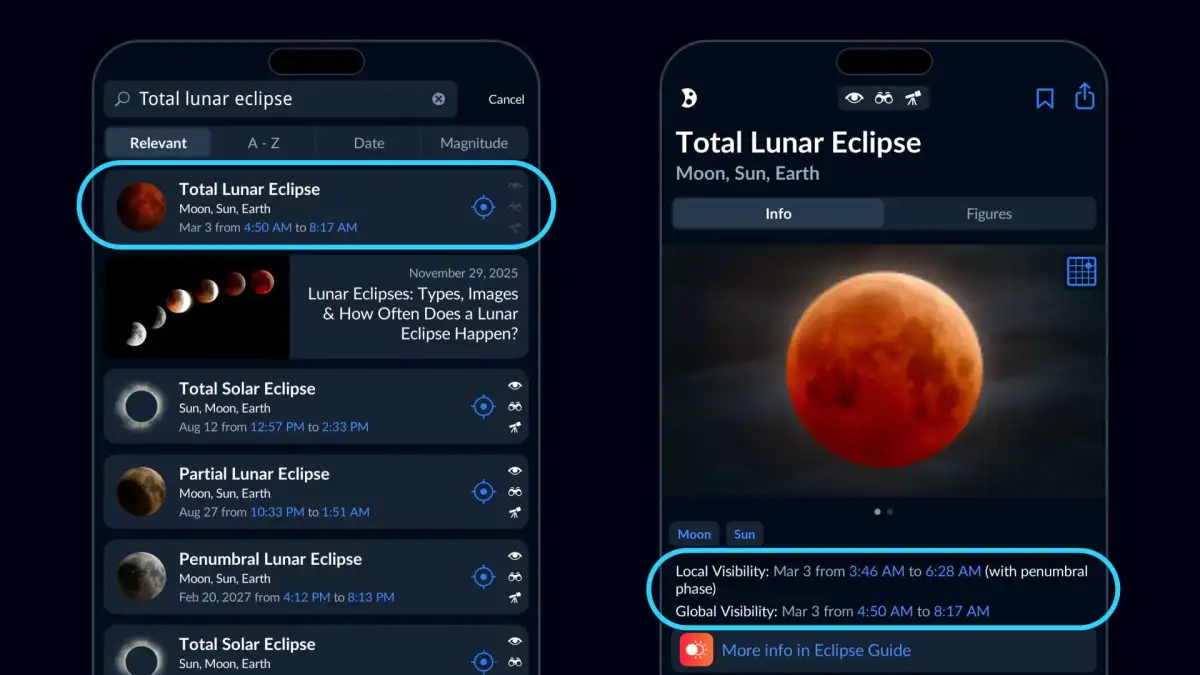
Key Timings (Coordinated Universal Time - UTC)
| Phase | March 3, 2026 (UTC) | Duration (Approx.) |
|---|---|---|
| Penumbral Eclipse begins | 08:44 | - |
| Partial Eclipse begins | 09:50 | - |
| Totality begins | 11:04 | - |
| Maximum Eclipse | 11:34 | 58 minutes |
| Total Eclipse ends | 12:03 | - |
| Partial Eclipse ends | 13:17 | - |
| Penumbral Eclipse ends | 14:23 | - |
| Overall Duration | 08:44 - 14:23 | 5 hours 39 minutes |
Note: Specific local times will vary based on the observer's time zone.
Geographic Visibility
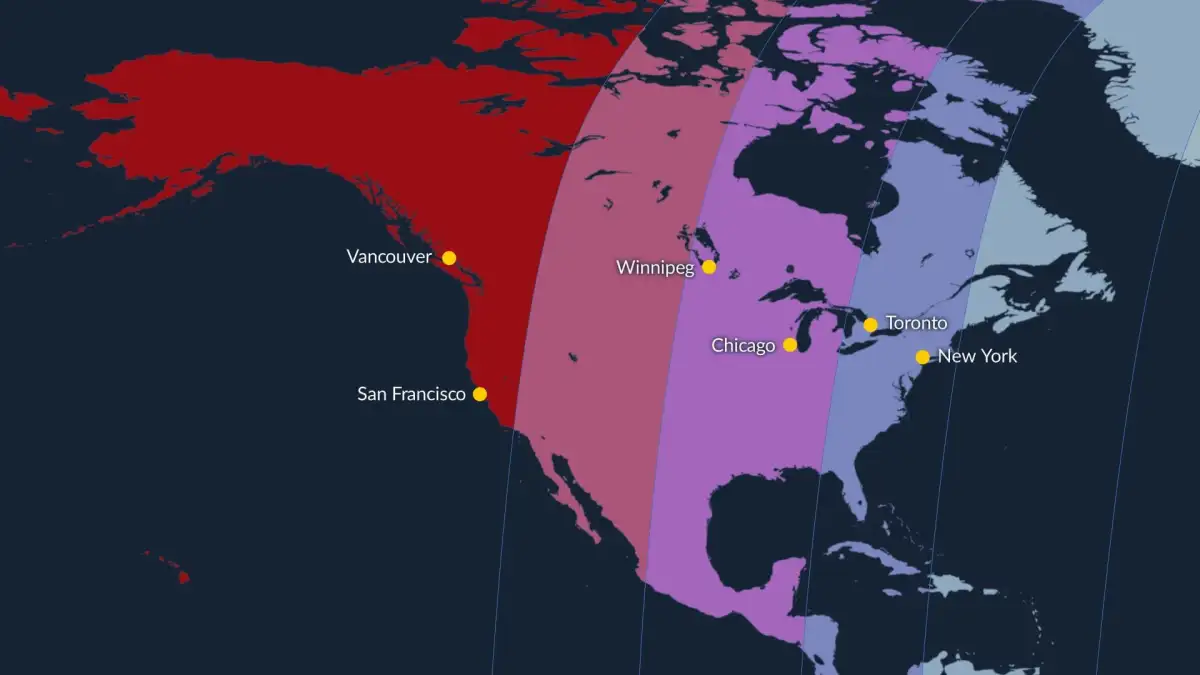
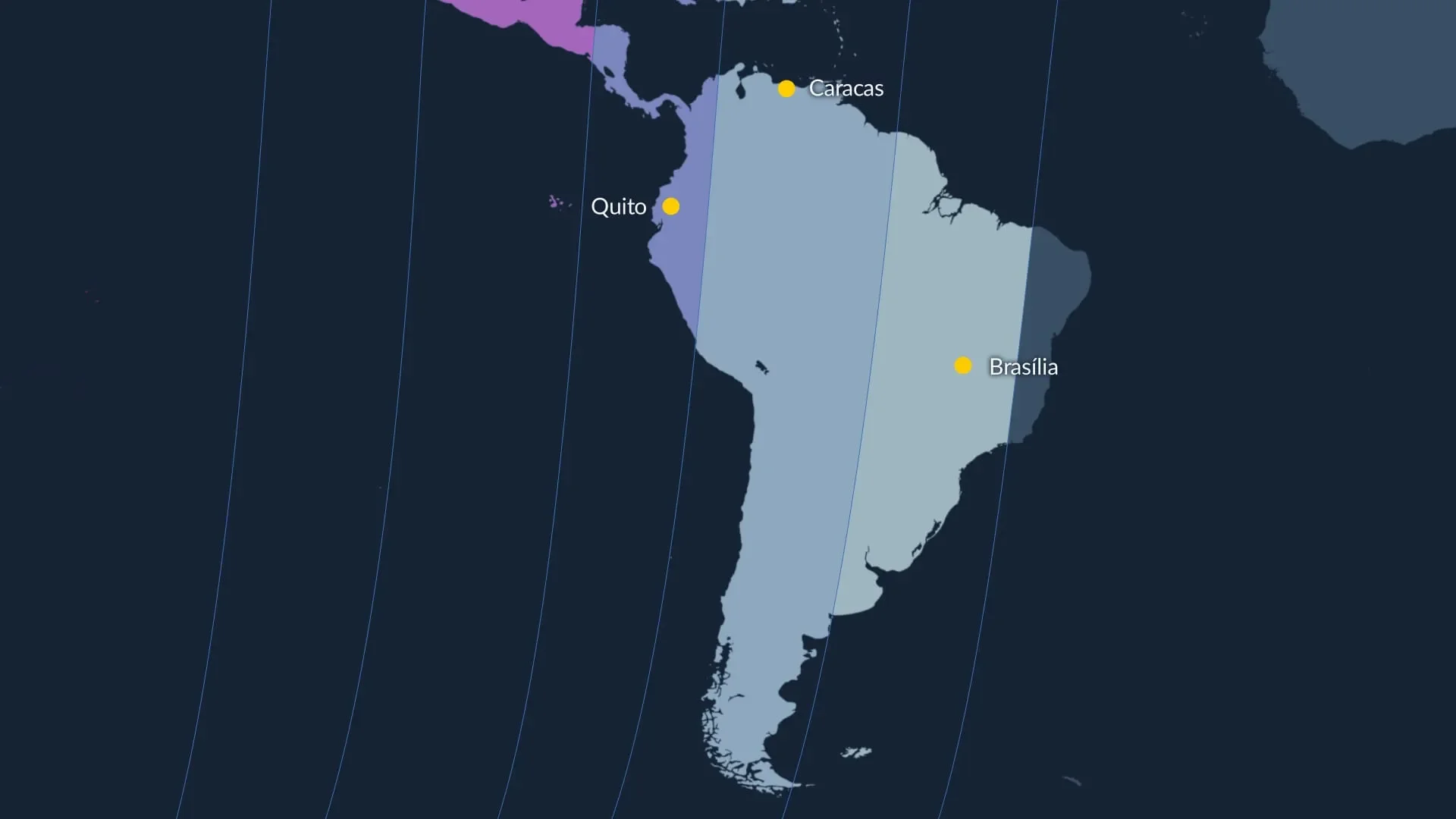
Americas: The eclipse is expected to be visible across the Americas.
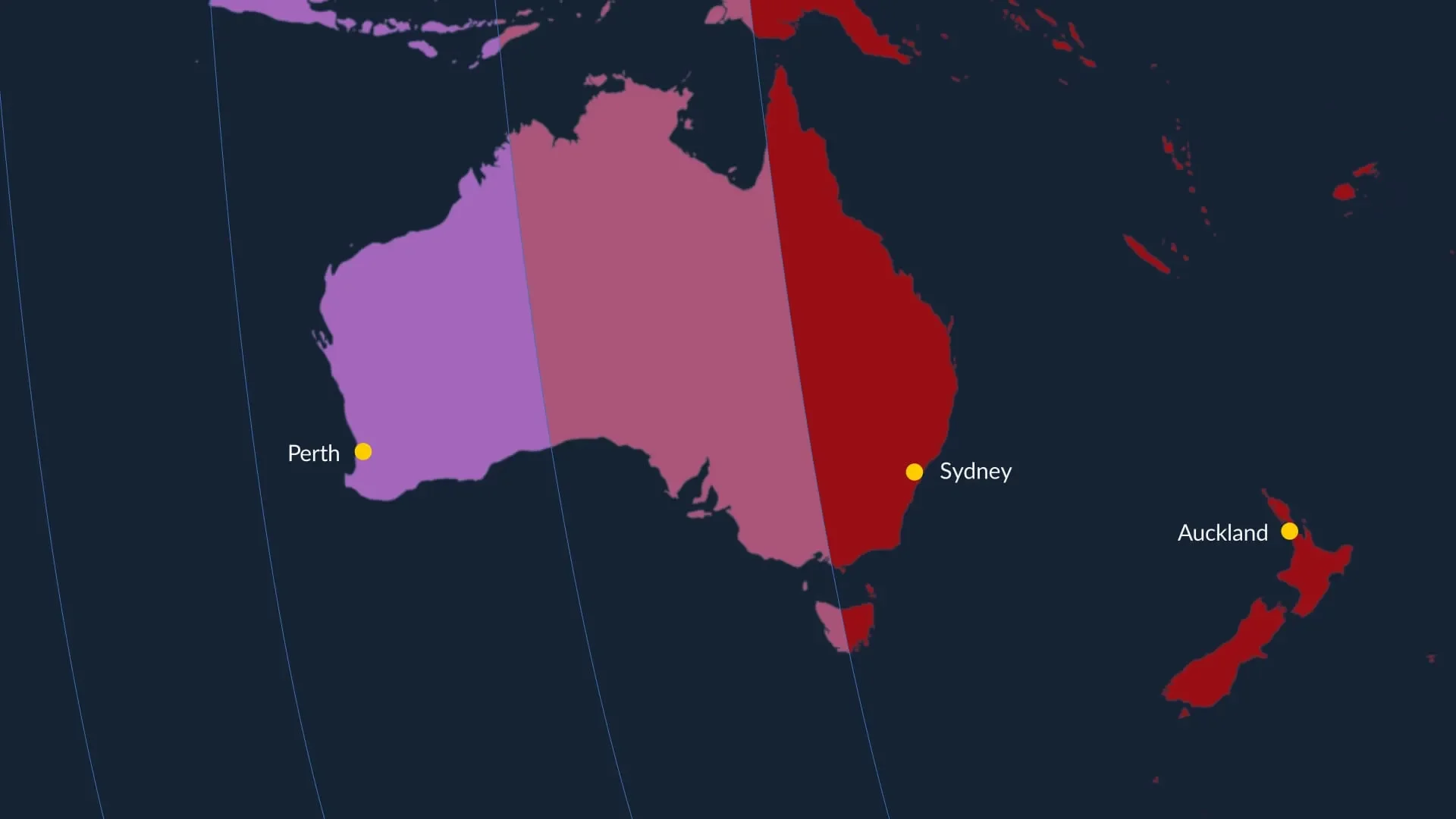
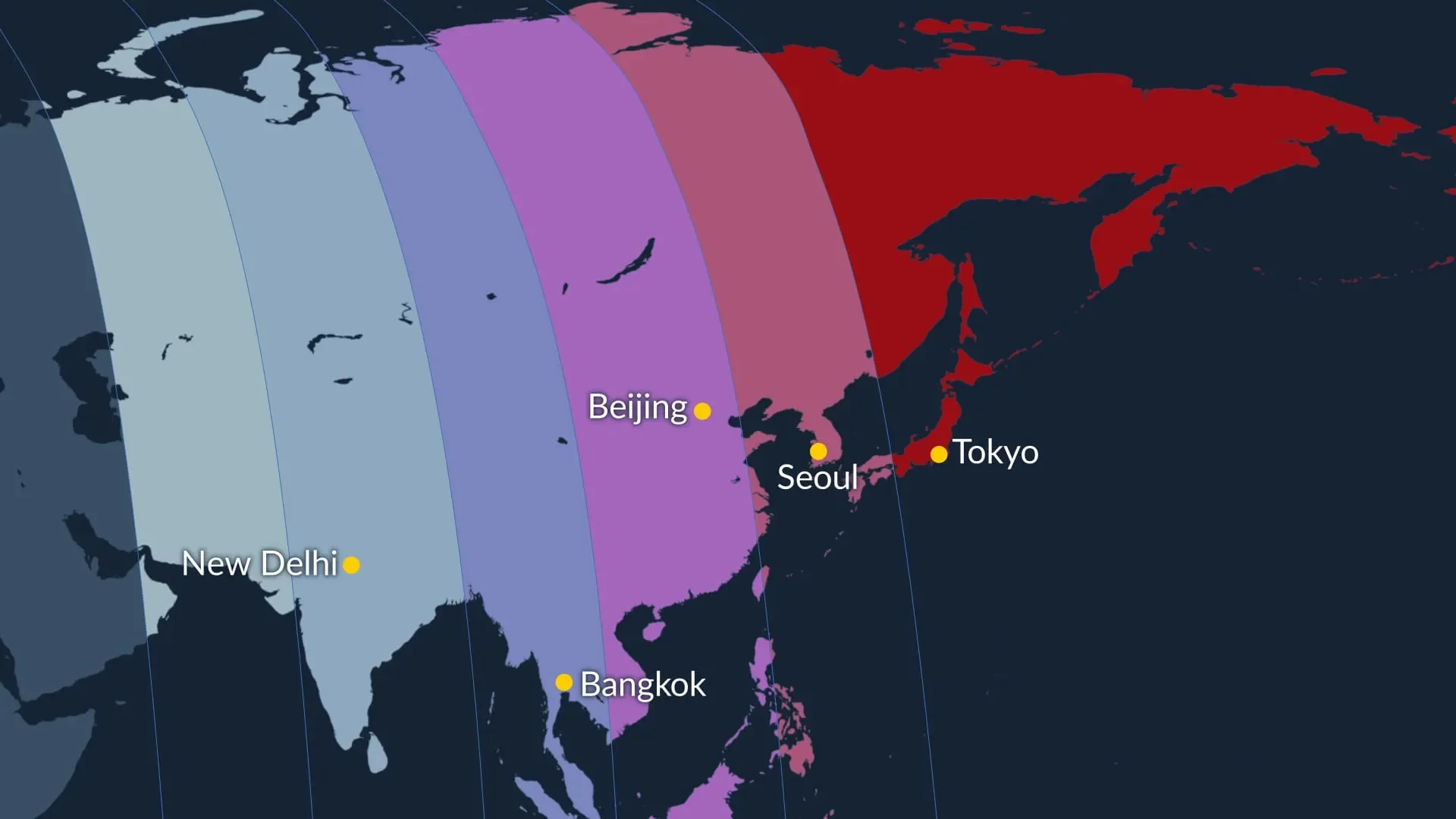
Asia and Australia: Parts of Asia and Australia will also have viewing opportunities.
Europe: In some European locations, such as Brussels, the Moon may be below the horizon during the eclipse, rendering it unobservable locally.
Observing the Eclipse
For those in visible regions, the total lunar eclipse presents a celestial spectacle. Unlike solar eclipses, lunar eclipses are safe to view directly without protective eyewear.
Viewing Locations: Specific locations in the U.S. like Joshua Tree National Park, Anza-Borrego Desert State Park, and Death Valley National Park are mentioned as good viewing spots. In Australia, Warrumbungle Dark Sky Park is noted.
Photography: The event is also conducive to astrophotography, with tips suggesting bracketed exposures due to variations in lunar brightness during totality. Modern smartphones are considered capable of capturing images, particularly during the most dramatic color phases.
Preparation: Observers are advised to confirm local times by converting UTC to their respective time zones and to check the weather forecast in advance.
Expert Insights
The phenomenon of a total lunar eclipse, often termed a "Blood Moon," is a predictable astronomical event. It occurs when the Moon passes through the Earth's umbra. The red color observed is a result of Rayleigh scattering and refraction of sunlight through Earth's atmosphere. A solar eclipse typically occurs about two weeks before or after a lunar eclipse, following the sequence of the Moon's phases.
Sources for this report include Starwalk.space, Newsweek, Space.com, Timeanddate.com, Moonphase.today, Agenaastro.com, Visualfoodie.com, and Svbony.com.
Read More: 2026 World Cup Starts With High Ticket Prices and Fan Worries