Tensions between Pakistan and Afghanistan have reached a critical point following Pakistan's announcement of airstrikes targeting militant camps within Afghanistan. This action escalates a long-standing dispute over alleged militant sanctuaries and raises serious questions about regional stability. Afghanistan's Taliban government has vowed a response, and civilian casualties have been reported, making this a significant development with potentially far-reaching consequences.

Escalating Cross-Border Violence
The recent airstrikes mark a sharp increase in direct military action between the two neighboring countries. For months, Pakistan has accused Afghanistan of harboring the Tehrik-e-Taliban Pakistan (TTP) and its affiliates, groups that Pakistan blames for a surge in suicide attacks within its borders. Afghanistan, in turn, has consistently denied allowing its territory to be used for attacks against Pakistan.

Timeline of Events:
Recent Weeks: A series of suicide attacks in Pakistan, including a February 6 bombing at a Shiite mosque in Islamabad that killed at least 32 people, have heightened Pakistani security concerns. The Islamic State-Khorasan (IS-K) has claimed responsibility for some of these attacks.
Overnight Strikes: Pakistan announced it conducted multiple airstrikes on militant targets inside Afghanistan, reportedly hitting seven border sites.
Afghan Response: Afghanistan's defense ministry reported civilian casualties, including women and children, and vowed an "appropriate and calculated response."
Previous Clashes: This escalation follows border clashes in October that resulted in over 70 deaths on both sides and hundreds of injuries, leading to a fragile ceasefire that now appears broken.
Accusations and Denials
The core of the dispute lies in differing accounts of who is responsible for cross-border violence and where militant groups operate.
Read More: Xi Warns Trump: Taiwan Issue Risks Conflict
Pakistan's Position:
Claims to have targeted militant hideouts used by the TTP and its affiliates, as well as IS-K.
States it has repeatedly urged Afghanistan's Taliban rulers to take verifiable steps against these groups, alleging a lack of substantive action.
Attributes recent suicide bombings in Pakistan, including attacks during Ramadan, to fighters operating from Afghan territory.
Afghanistan's Position:
Denies allowing militants to use Afghan territory for attacks in Pakistan.
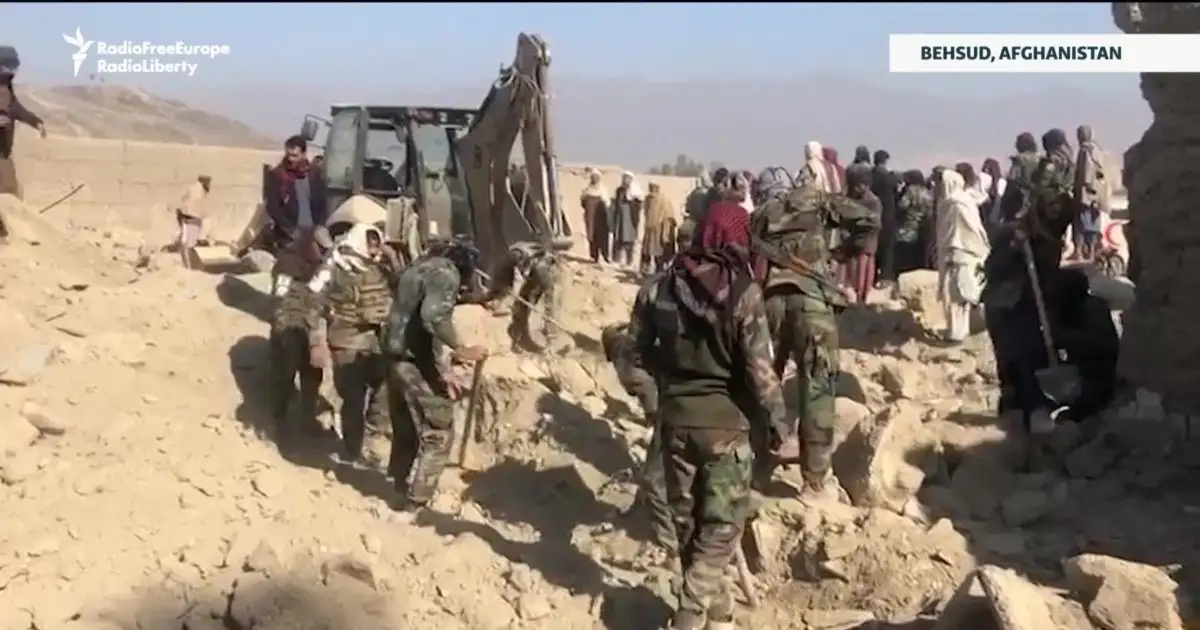
Reports that Pakistan's airstrikes have killed and wounded dozens of civilians, including women and children, in areas like Nangarhar and Paktika provinces.
Vowed a response to the strikes.
Civilian Casualties and International Scrutiny
Reports of civilian casualties have cast a somber shadow over the military actions. Afghanistan's defense ministry stated that strikes hit a madrasa (religious school) and homes, resulting in significant civilian harm. The UN mission in Afghanistan (UNAMA) reported that 37 civilians were killed and 425 wounded in Afghanistan as a result of cross-border clashes with Pakistan between October and December. While Pakistan claims to have killed at least 70 militants in the recent strikes, local accounts have questioned this figure, suggesting the killed were civilians.

Reported Casualties:
Afghanistan's ruling Taliban reported women and children among dozens killed and injured, though these remarks could not be independently verified.
Afghan officials in Nangarhar stated 18 people, including women and children, were killed.
UNAMA documented 37 civilian deaths and 425 wounded in earlier cross-border clashes.
Regional Ramifications
The renewed hostilities threaten to destabilize an already fragile region. Past attempts at negotiation and brokered ceasefires have failed to establish a lasting peace. The closure of the land border for months has further strained relations.
Impact on Stability:
The airstrikes risk reigniting wider conflict between the two nations.
The dispute over militant sanctuaries remains a significant obstacle to regional security.
International actors are observing the situation closely, given the potential for broader instability.
Expert Analysis
"This is a dangerous escalation. For years, Pakistan has pointed to Afghanistan as a base for militants, and the Taliban have denied it. When one side takes direct military action across the border, it demands a strong reaction, and that's what we're seeing." - Anonymous regional security analyst
"The primary concern must be the protection of civilians. If civilian lives are lost, as reported by Afghanistan, then this action will be met with significant international disapproval and further inflame the already tense relationship." - Unnamed diplomat
Conclusion and Next Steps
Pakistan's decision to conduct airstrikes inside Afghanistan represents a significant escalation in the ongoing tensions. The immediate trigger appears to be a recent surge in attacks within Pakistan, which Islamabad attributes to militants operating from Afghan soil. Afghanistan has condemned the strikes, reporting civilian casualties and promising retaliation.
Read More: Conservative Figures Use Nonprofits for Security Funding Amid Threats
The core issues remain unresolved: Pakistan's allegations of militant sanctuaries and Afghanistan's denials. The reported civilian deaths will likely complicate any efforts to de-escalate.
Key Findings:
Pakistan claims airstrikes targeted TTP and IS-K militants in Afghanistan.
Afghanistan reports civilian casualties and vows a response.
This follows a period of increased militant attacks in Pakistan.
Previous attempts at a lasting ceasefire have failed.
Implications:
Potential for further military confrontation between Pakistan and Afghanistan.
Heightened risk of civilian harm and regional instability.
Increased diplomatic pressure on both nations to find a peaceful resolution.
Next Steps:
Monitoring Afghanistan's promised response.
Independent verification of civilian casualties.
International efforts to facilitate dialogue and de-escalation.
Pakistan's provision of further evidence to support its claims regarding militant activities.
Sources:
CNN: https://edition.cnn.com/2026/02/22/asia/pakistan-strikes-afghanistan-militant-camps-intl-hnk
France 24: https://www.france24.com/en/asia-pacific/20260222-pakistan-launches-deadly-strikes-in-afghanistan
RFE/RL: https://www.rferl.org/a/pakistan-afghanistan-border-attacks-taliban-islamic/33684530.html
The Guardian: https://www.theguardian.com/world/2026/feb/21/pakistan-strikes-militant-hideouts-on-afghan-border-after-surge-in-attacks
US News: https://www.usnews.com/news/world/articles/2026-02-21/pakistan-says-it-carried-out-cross-border-strikes-in-afghanistan
NBC News: https://www.nbcnews.com/world/pakistan/pakistan-struck-militant-hideouts-afghan-border-surge-deadly-attacks-rcna260131
Newswall (summary from France 24): https://www.newswall.org/summary/pakistan-strikes-militant-hideouts-along-afghan-border-after-surge-in-deadly-attacks
AP News: https://apnews.com/article/afghanistan-pakistan-border-violence-clashes-taliban-c404094b26f04f58974d3b1ccb495dfc