Cross-border Strikes Spark Retaliation and Vows of Deterrence
The Taliban Defence Minister, identified as Mohammad Yaqoob, has issued a stern warning to Pakistan, vowing to "deter" future attacks. This declaration follows a recent spate of cross-border strikes attributed to Pakistan targeting alleged Taliban positions within Afghanistan. The exchange marks a stark rupture in relations between the two Islamic neighbors, who share a volatile border and a complex history.

Reports indicate that Pakistan carried out "precision airstrikes" on sites in Kabul and Nangarhar, aiming for what they described as military depots and infrastructure. Afghanistan, in turn, accused Pakistan's military of targeting a hospital in Kabul, with the country's Health Ministry spokesman reporting over 200 people killed. The strikes reportedly hit targets in the capital, Kabul, and the city of Kandahar, a stronghold for Taliban leadership.
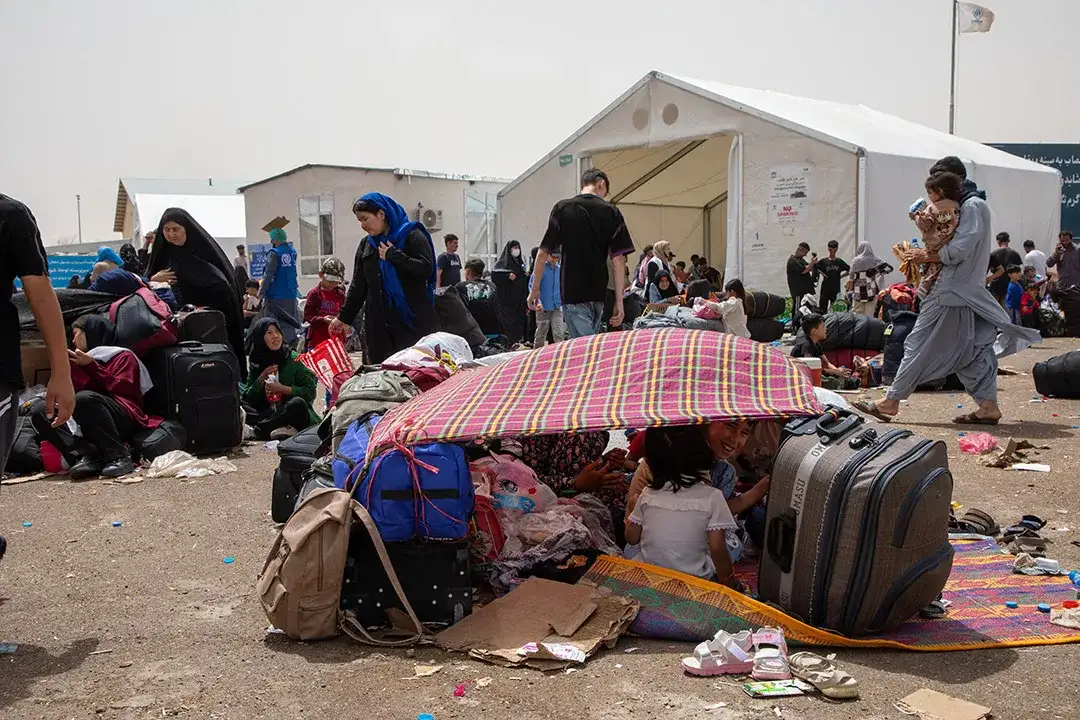
In response to Pakistan's actions, an Afghan deputy government spokesman, Hamdullah Fitrat, stated that "mortars and other heavy weaponry" were used to strike rural areas and civilian homes. The Taliban’s government spokesman, Zabiullah Mujahid, blamed Pakistan for the failure of recent talks, calling Pakistan's demands unreasonable. Pakistan, however, countered these accusations, describing the Afghan attack as unprovoked and reiterating its stance that its airstrikes targeted militants harboured in the area.
Read More: AFP Reviews War Crime Claims Against Australian in Gaza
Diplomatic Maneuvers and Economic Strain
Amidst the escalating military exchanges, diplomatic channels remain strained. Many Western countries, including the United States, closed their diplomatic offices in Afghanistan after the Taliban's return in August 2021, refusing to recognize the Taliban government. The UN Security Council also imposed an arms embargo on the group.
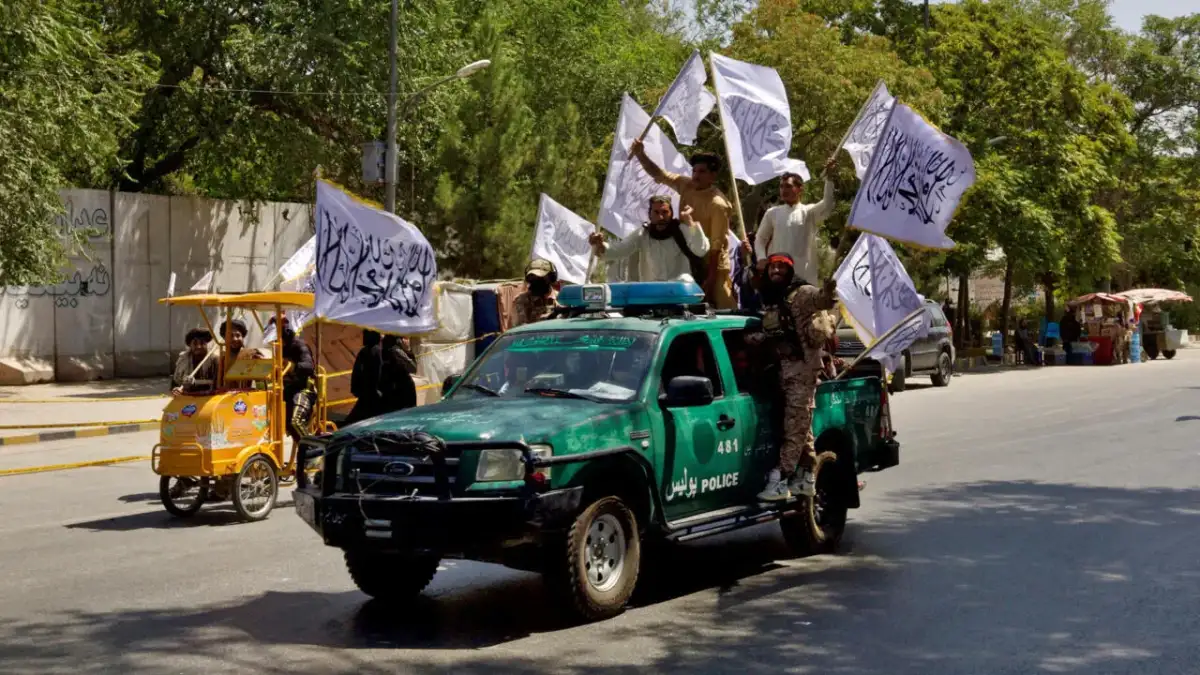
Meanwhile, Afghanistan's economy has reportedly floundered under Taliban rule. International recognition remains elusive, with many nations hesitant to establish formal ties. Despite this, the Taliban are reportedly reaching out, and some countries are responding, driven by factors such as anti-immigrant sentiment in Europe and concerns about militancy in Asia, coupled with an acceptance that the regime is unlikely to collapse soon.
Read More: Secret Service Promotions After Butler Attack Criticized by Congress
Historical Context: The Taliban's Rise and Rule
The Taliban, an ultraconservative political and religious faction, emerged in Afghanistan in the mid-1990s. Their rise followed the withdrawal of Soviet troops, the collapse of Afghanistan's communist regime, and subsequent civil disorder. The group initially ruled from 1996 until their removal from power in late 2001 by a US-led coalition.
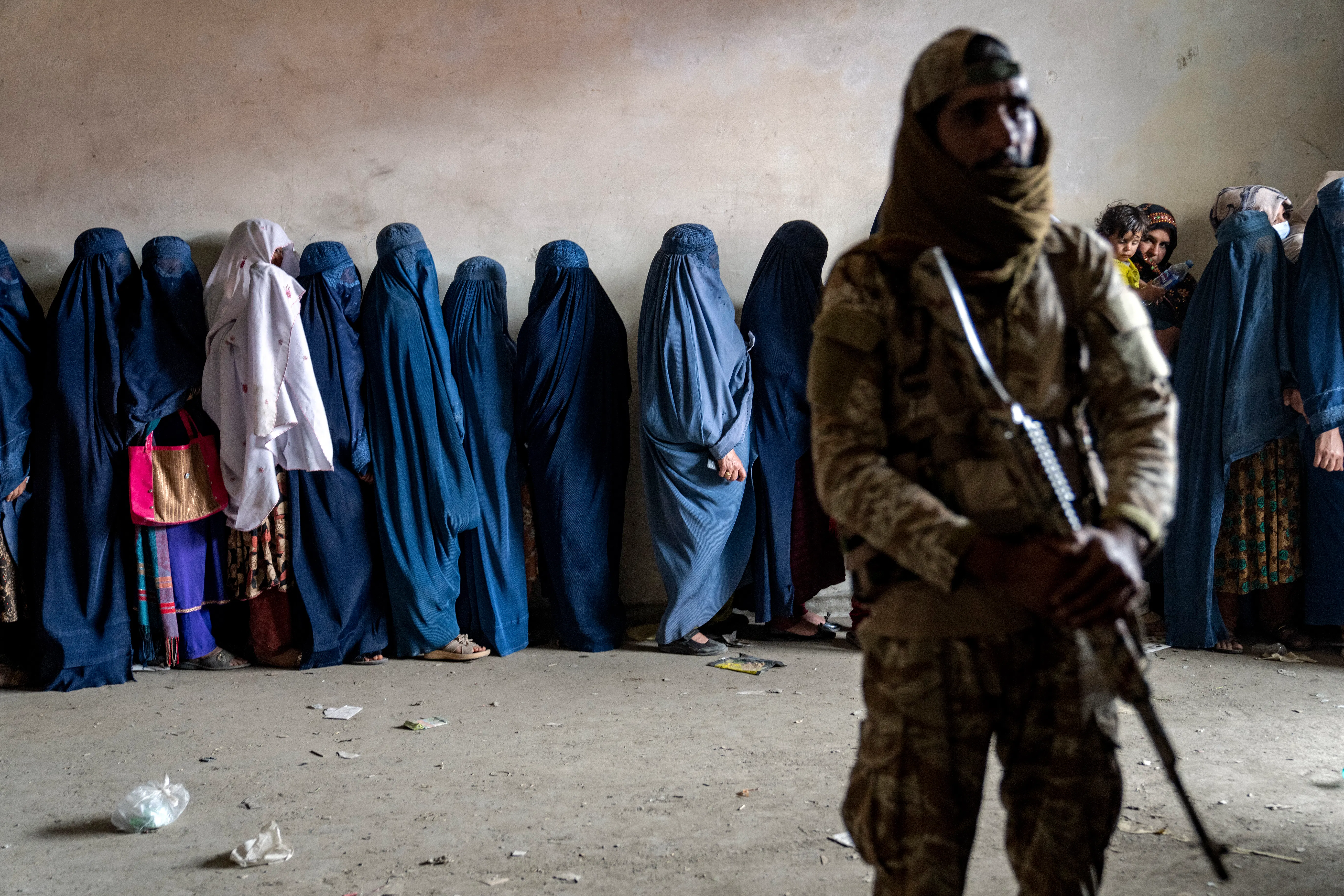
Concerns over the Taliban's human rights record, particularly their treatment of women, and their alleged harboring of Osama bin Laden, were key factors leading to the US-led intervention. Under their current rule, which began in August 2021 after the withdrawal of US troops, the Taliban have faced widespread international condemnation for their severe restrictions on women's rights, described by the UN as "gender apartheid."
The Taliban's bilateral relations are characterized by discussions on common ground such as borders, water, and transit. However, the current border tensions with Pakistan represent a significant challenge to any potential for stable regional cooperation.
Read More: Indus Waters Treaty remains suspended in India and Pakistan April 2026