Recent actions by the U.S. Supreme Court concerning the Alien Enemies Act and presidential directives have drawn significant attention. Rulings have allowed the Trump administration to continue with deportations under this law, while simultaneously prompting sharp criticism from some justices and the former president himself. The court's handling of these cases raises questions about legal procedures, due process, and the perception of judicial impartiality.
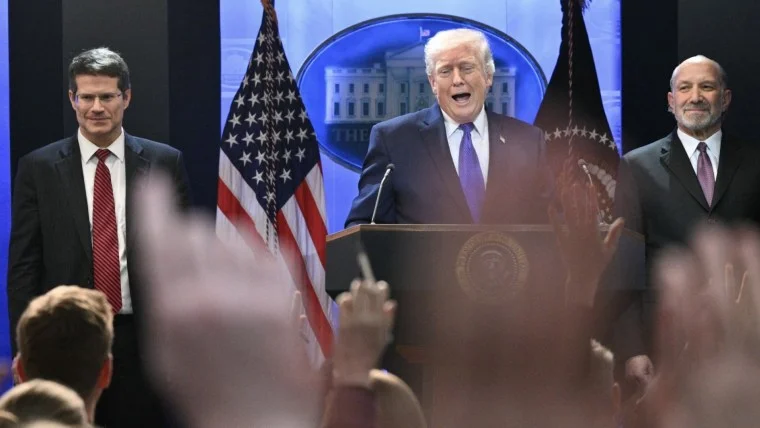
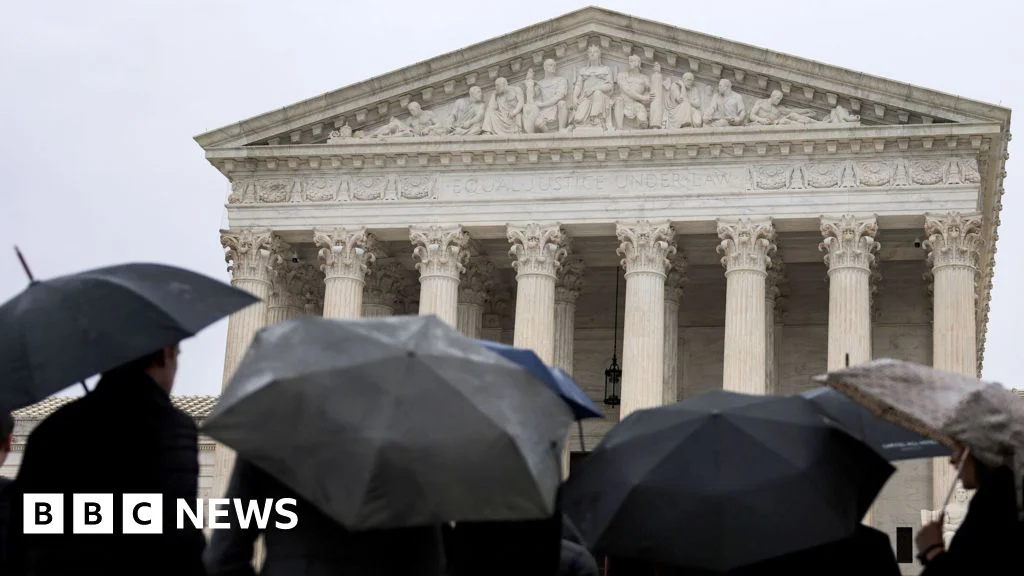
The Supreme Court has recently issued orders that have allowed the Trump administration to proceed with deportations using the Alien Enemies Act. These rulings, however, have not settled the larger constitutional questions surrounding the law's application. Simultaneously, President Donald Trump has publicly criticized the court, questioning the loyalty and patriotism of justices who have ruled against him, even as he benefits from other court decisions. This situation has led to a complex interplay between executive actions, judicial review, and public discourse on the role of the court.
Read More: Supreme Court Says Trump Can't Use Tariffs Without Congress Approval

Court Rulings on Alien Enemies Act
The Supreme Court's decisions regarding the Alien Enemies Act have primarily focused on procedural aspects rather than the core constitutionality of its use.

In April 2025, the court issued a brief order that, without detailing its reasoning, permitted the Trump administration to continue deportations under the Alien Enemies Act. This was seen as a victory for the administration, as it allowed the continuation of its policy.
The court's order did not differentiate between deportations under the Alien Enemies Act and other removal processes that require standard due process.
Separately, the court paused a lower court order that would have compelled the Trump administration to return a man wrongly deported to El Salvador.
A significant issue left unaddressed by these rulings is the overarching constitutionality of the Trump administration's application of the Alien Enemies Act.
Judicial Dissent and Criticism
While a majority of justices have supported certain administration actions, notable dissent and criticism have emerged from within the court itself and from the former president.

Justice Samuel Alito, joined by Justice Clarence Thomas, dissented from the April 19 order. Alito specifically criticized his colleagues for choosing to hear the case and for what he described as a misleading timeline. He argued that the court had taken a case directly from a district court to decide significant legal matters.
Alito expressed disagreement with the majority's conclusion in the Alien Enemies Act case and detailed his objections in a 14-page dissent.
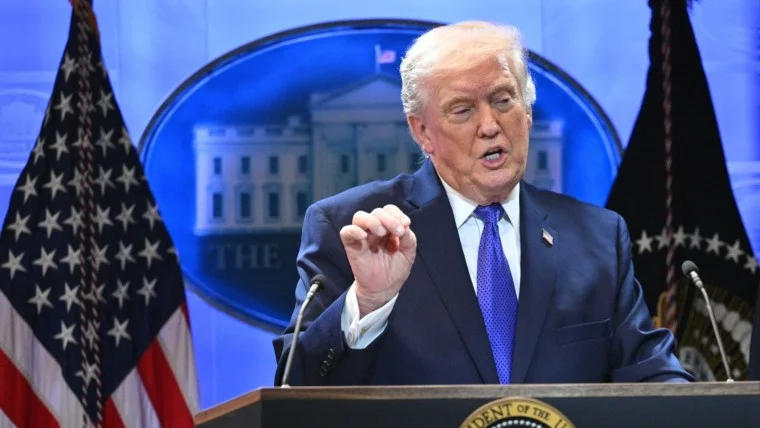
President Donald Trump has also been vocal in his criticism of the Supreme Court, particularly when rulings go against him. After a decision on tariffs, he described justices in the majority as "disloyal to the Constitution" and "a disgrace to our nation." He expressed shame for justices who he felt lacked the courage to "do what's right for our country."
Trump has previously suggested that migrants should not be afforded due process before deportation, a stance that contrasts with the court's apparent acknowledgment of due process rights for those facing removal.
Allegations of Infiltration and External Threats
Concerns about external influences and threats to the judiciary have also been raised.
In June 2022, Senators Chuck Grassley and Rob Portman urged the Department of Justice to defend the Supreme Court and its justices against threats and violence from "pro-abortion extremists."
These concerns were prompted by an unprecedented leak of a draft Supreme Court opinion, which led to an increase in threats against justices and the court itself.
The senators sought information on the Justice Department's plans to coordinate with the Supreme Court Police and Capitol Police to address expected violent extremism related to abortion rulings.
Grassley had previously called for increased security for justices' homes and stricter enforcement of laws prohibiting efforts to intimidate the court.
Expert Analysis
Legal scholars and commentators have offered varied interpretations of the court's recent actions and the surrounding controversies.
"The court’s brief order did not explain its reasoning. A panel of appellate court judges in the conservative court denied the request." - CNN Politics (Article 1)
This points to the lack of detailed justification in some court decisions, leaving room for interpretation and debate.
"Alito — who also dissented from the Supreme Court's April 19 directive — similarly diverged from his colleagues here. It has plucked a case from a district court and decided important issues in the first instance." - Law & Crime (Article 2)
This highlights a procedural critique from within the court, suggesting that the majority may have overstepped by taking a case directly and ruling on significant matters without lower court adjudication.
"President Donald Trump on Friday launched an extraordinary attack on the Supreme Court after it ruled against him on tariffs, describing justices in the majority as a “disgrace to our nation” and “very unpatriotic and disloyal to the Constitution.”" - NBC News (Article 3)
This underscores the direct and public adversarial relationship between the former president and the judicial branch when its decisions do not align with his interests.
"The court did not decide a larger issue: whether the Trump administration’s use of the Alien Enemies Act is constitutional." - Los Angeles Times (Article 7)
This indicates that the court's rulings have been narrow, addressing immediate procedural matters without resolving fundamental legal challenges to the administration's policies.
Conclusion
The Supreme Court's recent rulings, particularly those pertaining to the Alien Enemies Act, have allowed the Trump administration to proceed with deportations while leaving key constitutional questions unresolved. This has coincided with significant public criticism of the court from President Donald Trump, who has questioned the loyalty and integrity of justices who rule against him. Concurrently, internal dissent from justices like Samuel Alito highlights procedural disagreements and a differing interpretation of the court's role. Reports of external threats and calls for enhanced security for the court and its members add another layer of complexity, suggesting a judiciary operating under heightened scrutiny and pressure. The court's capacity to maintain impartiality and public trust, especially amidst sharp political divisions and direct criticism, remains a central consideration.
Read More: Trump Raises Global Tariffs to 15% After Supreme Court Ruling Affects Trade
Sources Used:
CNN Politics: What to know about the Supreme Court’s midnight Alien Enemies Act order
URL: https://www.cnn.com/2025/04/19/politics/supreme-court-alien-enemies-act-order
Law & Crime: Alito slams SCOTUS colleagues over 'misleading' timeline in Trump mass deportation effort
NBC News: Trump calls Supreme Court justices 'disloyal to the Constitution' over tariffs ruling
NPR: Supreme Court backs Trump in controversial deportations case
URL: https://www.npr.org/2025/04/07/nx-s1-5345601/supreme-court-alien-enemies-act
U.S. Senator Chuck Grassley of Iowa: Grassley, Portman Implore DOJ to Defend Supreme Court, Justices in face of Threats, Violence by Pro-Abortion Extremists
The Daily Beast: Trump Sends Thinly Veiled Warning to Supreme Court Justices
URL: https://www.thedailybeast.com/donald-trump-sends-thinly-veiled-warning-to-supreme-court-justices/
Los Angeles Times: Supreme Court immigration ruling: Due process in theory, deportation in practice
URL: https://www.latimes.com/politics/story/2025/04/09/trump-alien-enemies-act-supreme-court
USA Today: Supreme Court reminds Trump to follow the law, signaling concern that he won't | Opinion