NASA has successfully conducted a critical fueling test, known as a wet dress rehearsal, for its Artemis II mission. This test, involving the massive Space Launch System (SLS) rocket, marks a significant step towards the program's first crewed flight around the Moon in over 50 years. With the test complete and engineers expressing confidence in the rocket's systems, NASA is now targeting March 6 for the potential launch.
The Artemis II mission aims to send four astronauts—Reid Wiseman, Victor Glover, Christina Koch, and Jeremy Hansen—on a journey around the Moon and back. This mission serves as a vital precursor to future U.S.-crewed landings on the lunar surface. The recent fueling test, conducted at NASA's Kennedy Space Center in Florida, simulated launch countdown procedures and involved filling the rocket with liquid hydrogen.
Read More: ISS Crew Moves to Dragon Spacecraft Due to Air Leaks
Key Developments and Timeline
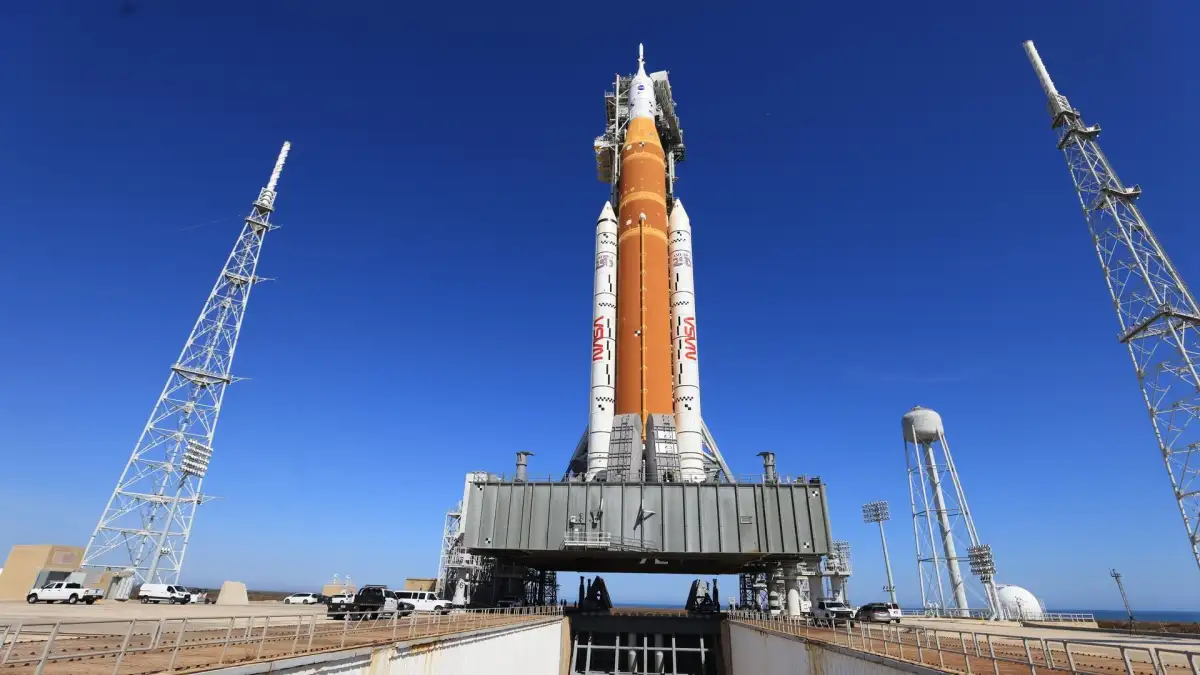
Preparations for Artemis II have been ongoing, with the SLS rocket and Orion spacecraft arriving at Launch Pad 39B at Kennedy Space Center in late January 2026. The initial fueling test encountered issues, including a liquid hydrogen leak, which engineers have since addressed. The second, successful wet dress rehearsal occurred on Thursday, February 19, 2026.
Late January 2026: Artemis II rocket and Orion spacecraft moved to Launch Pad 39B.
Early February 2026: First fueling test faced challenges, including a hydrogen leak.
February 19, 2026: Second wet dress rehearsal successfully completed.
February 20, 2026: NASA indicated potential for a March 6 launch date.
The Wet Dress Rehearsal: A Crucial Step
The wet dress rehearsal is an essential procedure where the rocket is fully fueled and a practice countdown is executed. This allows engineers to observe the rocket's performance and identify any potential issues. The successful completion of this test, with "minimal hydrogen leakage, well within safety limits," has given NASA engineers confidence in the rocket's seals and overall readiness.
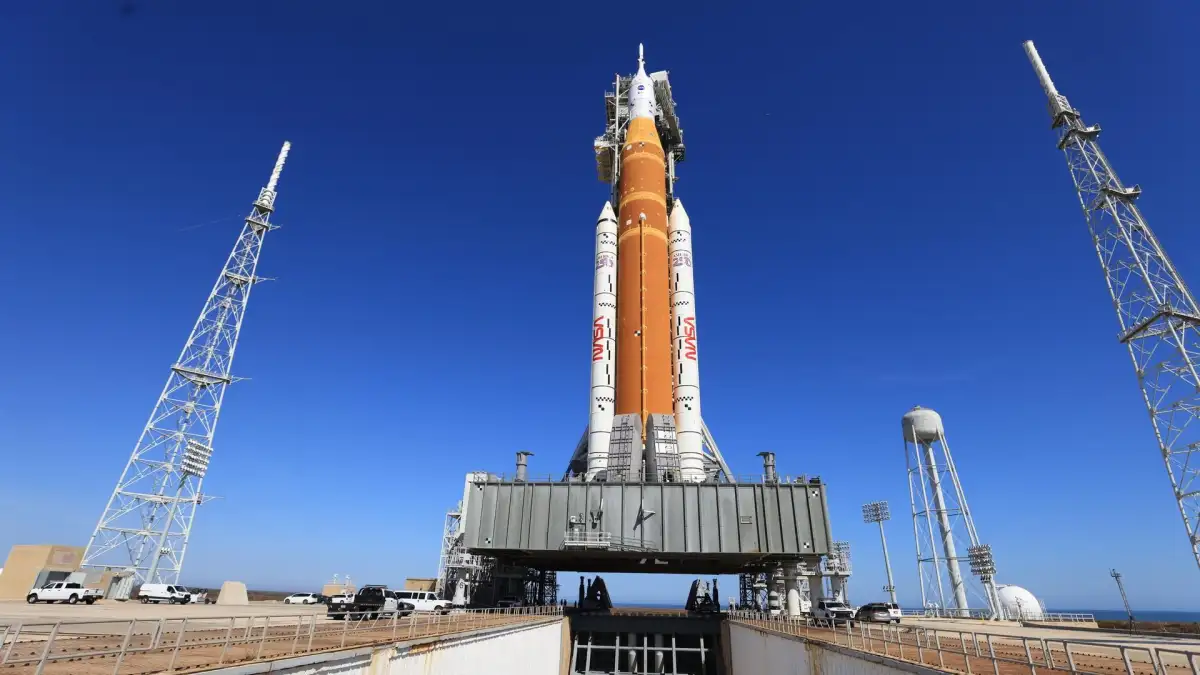
The successful completion of the wet dress rehearsal provides engineers with confidence in the SLS rocket's systems.
During the test, three of the Artemis II astronauts were present at the Launch Control Center to observe the progress, underscoring the direct involvement of the crew in the mission's preparation.
Read More: FBI Agents Look for New Jobs After Catholic Memo Controversy
Launch Window and Crew Quarantine
Following the successful fueling test, the Artemis II crew has begun a roughly two-week quarantine. This measure is intended to limit their exposure to illnesses before the flight, preserving flexibility in the launch schedule.
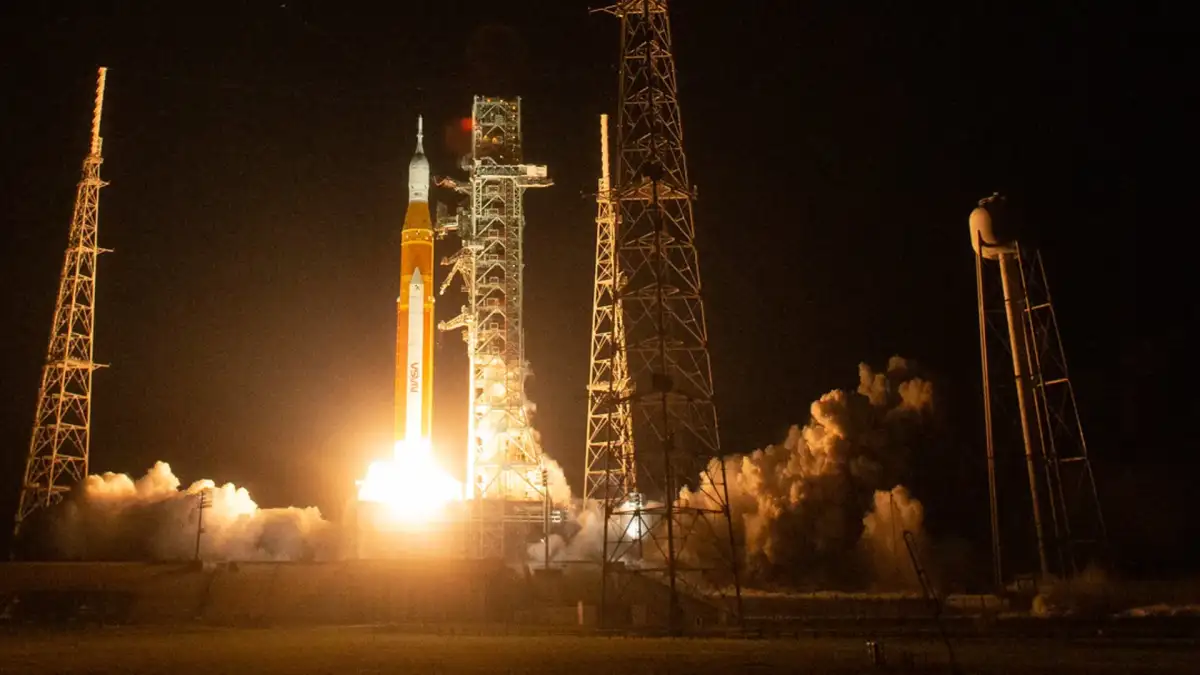
NASA is now targeting March 6, 2026, as a potential launch date.
The launch window extends through March 10, 2026.
This operational tempo allows NASA to maintain flexibility in its March launch plans.
Context of the Artemis Program
The Artemis program aims to return humans to the Moon and establish a long-term presence there, paving the way for future missions to Mars. Artemis II, as the first crewed flight of the program, is a critical milestone in this ambitious endeavor. While this mission will orbit the Moon, subsequent missions, like Artemis III, plan to land astronauts near the Moon's south pole.

Artemis II is the first crewed flight to the Moon since the Apollo program ended over 50 years ago.
The mission's trajectory will involve traveling farther from Earth than any humans have previously.
The Orion capsule, atop the SLS rocket, is designed to carry the astronauts safely through the journey and back to Earth, with reentry speeds exceeding 25,000 mph.
Observations and Challenges
While the recent fueling test was largely successful, NASA acknowledged that "a few smaller glitches" were still identified. The earlier fueling operation had experienced issues, prompting engineers to refine the seals and procedures. The agency has not yet announced an official target launch date beyond the March window.
Read More: ISS Spacewalk Second Attempt Faces New Problems
The successful test has been described by some as making the mission "really getting real."
A separate report concerning Boeing's Starliner capsule program, which experienced extended delays and issues with astronauts aboard the International Space Station, was mentioned during the fueling test period. This serves as a tangential reminder of the complex and demanding nature of human spaceflight endeavors.
Expert Perspectives
The successful completion of the wet dress rehearsal is seen as a significant step. The primary objective of this rehearsal was to validate the rocket's fueling and countdown procedures, which are essential for crewed launches. The observed "minimal hydrogen leakage" suggests that the technical challenges encountered in earlier tests have been largely overcome.
The test provides engineers with "confidence in the new seals."
Conclusion and Next Steps
NASA's Artemis II rocket has successfully completed its second wet dress rehearsal, demonstrating readiness for its upcoming crewed mission. With the fueling test concluded and the crew in quarantine, the space agency is now focused on the potential launch on March 6, 2026. This mission represents a pivotal moment in humanity's return to lunar exploration, building upon years of development and testing.
The mission will fly four astronauts around the Moon.
The success of Artemis II is crucial for future lunar landing missions.
Engineers will continue to monitor all systems leading up to the potential launch date.
Sources Used:
NASA: Begins Artemis II Launch Pad Ops After Successful Fuel Test (Published: 2 days ago) - https://www.nasa.gov/blogs/missions/2026/02/19/nasa-begins-artemis-ii-launch-pad-ops-after-successful-fuel-test/
Space.com: 'This is really getting real.' NASA's Artemis 2 moon rocket fueling test went so well, astronauts could launch March 6 (Published: 1 day ago) - https://www.space.com/space-exploration/artemis/this-is-really-getting-real-nasas-artemis-2-moon-rocket-fueling-test-went-so-well-astronauts-could-launch-march-6
AP News: NASA conducts second rocket fueling test that will decide when Artemis astronauts head to the moon (Published: 1 day ago) - https://apnews.com/article/nasa-artemis-astronauts-moon-1dda9afe42ca59e34db567ec1b6cc2b6
UPI: Artemis II completes countdown test, prepares for launch (Published: 1 day ago) - https://www.upi.com/TopNews/US/2026/02/20/artemis-ii-successful-countdown-test-prepares-launch/3801771613975/
NPR: NASA eyes March 6 to launch 4 astronauts to the moon on Artemis II mission (Published: 23 hours ago) - https://www.npr.org/2026/02/20/nx-s1-5720953/nasa-artemis-ii-moon-launch-date
USA Today: When is Artemis 2 lifting off? Launch date window, times, what to know (Published: Jan 29, 2026) - https://www.usatoday.com/story/news/nation/2026/01/29/nasa-artemis-rocket-launch-date/88410748007/
ScienceDaily (via AOL): NASA’s Artemis II reaches the launch pad and the countdown to the Moon begins (Published: Jan 26, 2026) - https://www.sciencedaily.com/releases/2026/01/260119214042.htm
Ars Technica: The fastest human spaceflight mission in history crawls closer to liftoff (Published: Jan 19, 2026) - https://arstechnica.com/space/2026/01/nasas-artemis-ii-rocket-rolls-to-launch-pad-but-key-test-looms-ahead/