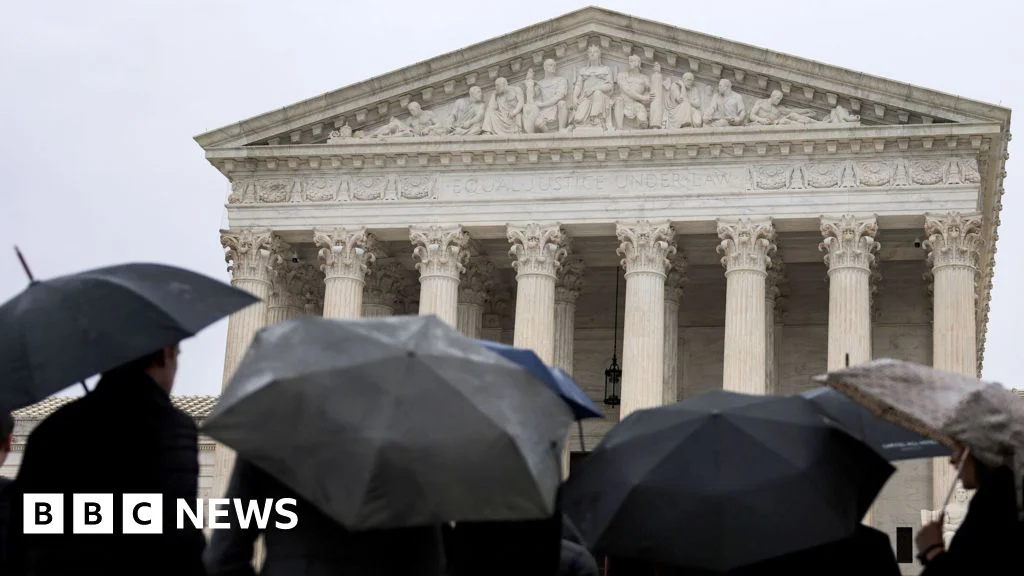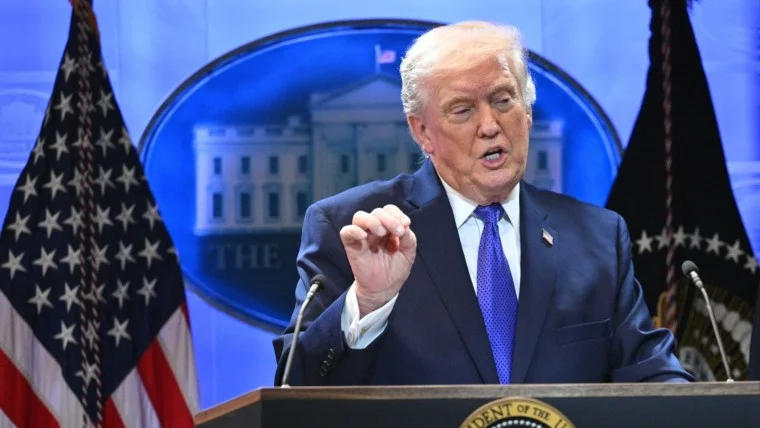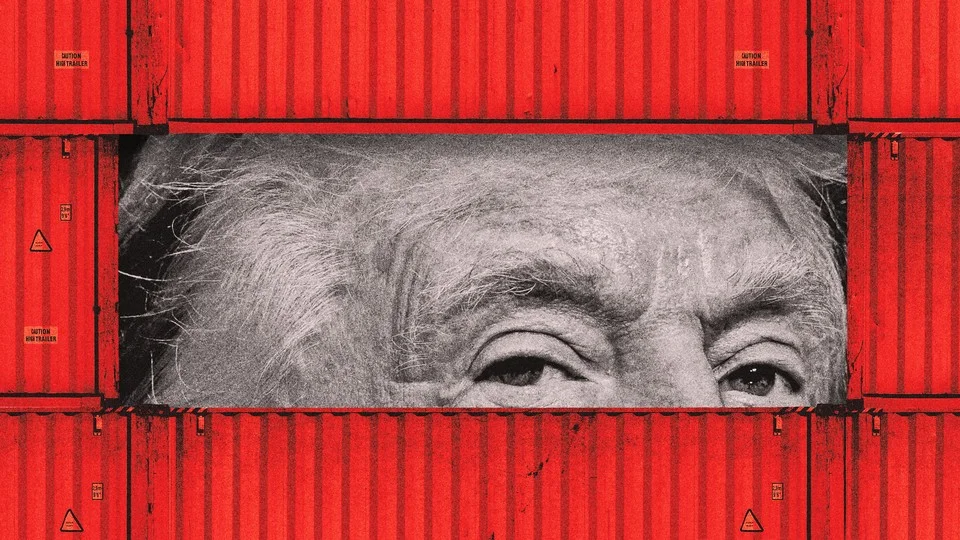
The U.S. Supreme Court has ruled against certain tariffs imposed by former President Donald Trump, citing his overreach of authority. While this decision strikes down a significant portion of his trade policies, questions remain about the long-term impact and potential for Trump to re-establish similar measures through different legal avenues. This ruling has raised concerns among businesses and lawmakers, highlighting the complex and sometimes conflicting nature of trade regulations.

Context of the Ruling
Former President Donald Trump's administration made extensive use of tariffs as a key component of its economic agenda. These tariffs, often justified under the International Emergency Economic Powers Act (IEEPA), were applied to goods from various countries, including China, with the stated goal of reshaping trade deals and encouraging domestic manufacturing. The Supreme Court's decision specifically addressed tariffs imposed using a 1970s emergency statute.
Read More: Supreme Court Says Trump Can't Use Tariffs Without Congress Approval

IEEPA Tariffs: A substantial number of Trump-era tariffs relied on the International Emergency Economic Powers Act for legal backing.
Supreme Court's Finding: The court determined that the IEEPA did not grant the President broad authority to impose tariffs for any duration.
Major Questions Doctrine: The ruling invoked the "major questions doctrine," which suggests that Congress must clearly delegate significant power to federal agencies for them to exercise it.
Impact on Existing Tariffs: While the ruling against IEEPA tariffs is significant, other tariffs, such as those under Section 232 (used for steel and aluminum) and Section 122, remain in place as they were not part of this specific Supreme Court challenge.
Trump's Response and Future Possibilities
Despite the Supreme Court's ruling, there are indications that Trump may seek to reinstate or implement similar trade policies. His past statements suggest a strong belief in using tariffs as a strategic tool.

"Zombie Tariffs": Even after legal setbacks, Trump has ways to potentially reintroduce his trade policies. Some tariffs, despite legal challenges, may continue to have an effect.
Alternative Authorities: The president has other statutory authorities and methods available to pursue his trade agenda, even if specific avenues are blocked.
Commitment to Tariffs: Trump has viewed tariffs as a crucial part of his approach to the presidency and trade negotiations.
Public and Political Reaction
The ruling and Trump's use of tariffs have elicited varied responses from the public and political figures.

Public Opinion: Polling data indicates that a majority of Americans believed Trump's tariffs went too far, with concerns about them acting as tax increases on consumers and businesses.
Republican Unease: Many Republican lawmakers privately and publicly expressed discomfort with Trump's aggressive tariff strategy, as it effectively increased taxes.
Support for the Ruling: Some political figures, like former Vice President Mike Pence, have voiced support for the Supreme Court's decision.
The Unanswered Questions
The Supreme Court's decision, while definitive on the IEEPA tariffs, has left certain aspects of trade policy open to interpretation and potential future conflict.
Scope of Other Tariffs: The ruling did not address tariffs imposed under different legal authorities, such as Section 232, leaving their standing unaffected by this specific decision.
Negotiating Leverage: The use of tariffs as leverage in bilateral trade deals, a tactic Trump favored, may be impacted, but the extent of this impact is not fully detailed.
Revival of Manufacturing: Promises that these tariffs would lead to a significant increase in U.S. manufacturing have not, according to reports, materialized as predicted.
Expert Perspectives
Analysis of the situation suggests that the legal battles over tariffs are likely to continue, with various legal frameworks available for future actions.
"Even after losing at the Supreme Court, Trump has plenty of ways to reconstruct his trade regime." - The Atlantic
"The Supreme Court has ruled against Trump’s use of tariffs, but the president has other methods and authorities available to him that could keep his trade agenda alive." - Council on Foreign Relations
"Most of the tariffs Trump has imposed used the International Emergency Economic Powers Act to provide legal justification… This may impose a further constraint on Trump’s tariff policy." - The Conversation
Conclusion
The Supreme Court's ruling represents a significant check on the executive branch's power to unilaterally impose broad tariffs, particularly those justified under emergency statutes like the IEEPA. This decision underscores the principle that substantial policy shifts require clear authorization from Congress, as guided by the "major questions doctrine." However, the existence of other legal avenues means that Trump's broader trade agenda and the use of tariffs as a policy tool are not entirely extinguished. The durability and future application of trade policies will likely depend on ongoing legal interpretations and the specific statutory authorities employed.
Read More: Dem Lawmaker Says "Epstein Class" Pushes U.S. War on Iran
Sources:
The Atlantic: https://www.theatlantic.com/economy/2026/02/supreme-court-trump-tariffs/686083/
Context: Article discussing the implications of the Supreme Court ruling on Trump's tariffs and potential future actions.
AP News: https://apnews.com/article/trump-tariffs-supreme-court-whats-next-b8b6d5d44ebb3640a88f7202754cb361
Context: News report detailing the Supreme Court's decision and its immediate aftermath.
Council on Foreign Relations: https://www.cfr.org/articles/how-trumps-tariffs-could-survive-the-supreme-court-ruling
Context: Analysis of how Trump's tariffs might persist despite the Supreme Court's ruling, exploring alternative legal means.
The Conversation: https://theconversation.com/supreme-court-rules-against-trumps-emergency-tariffs-but-leaves-key-questions-unanswered
Context: Explains the Supreme Court's ruling against Trump's emergency tariffs and identifies unresolved issues.
FindLaw: https://www.findlaw.com/legalblogs/federal-courts/scotus-applies-major-questions-doctrine-to-strike-down-trumps-emergency-tariffs/
Context: Legal analysis of the Supreme Court's application of the "major questions doctrine" in striking down Trump's tariffs.
NPR: https://www.npr.org/2026/02/20/nx-s1-5677609/tariffs-economy-trump-supreme-court
Context: Overview of key points regarding Trump's tariffs following the Supreme Court's decision.