The United States has announced a significant increase in its global tariff rate, moving from 10% to 15%. This action follows a recent Supreme Court ruling that reportedly limited certain trade authorities. The move signals a continued emphasis on tariffs as an economic policy tool, even after legal challenges.

Background of the Tariff Increase
On February 21st, President Trump declared his intention to raise the worldwide tariff rate on goods entering the United States from 10% to 15%. This announcement was made shortly after the Supreme Court issued a decision impacting previously imposed tariffs.
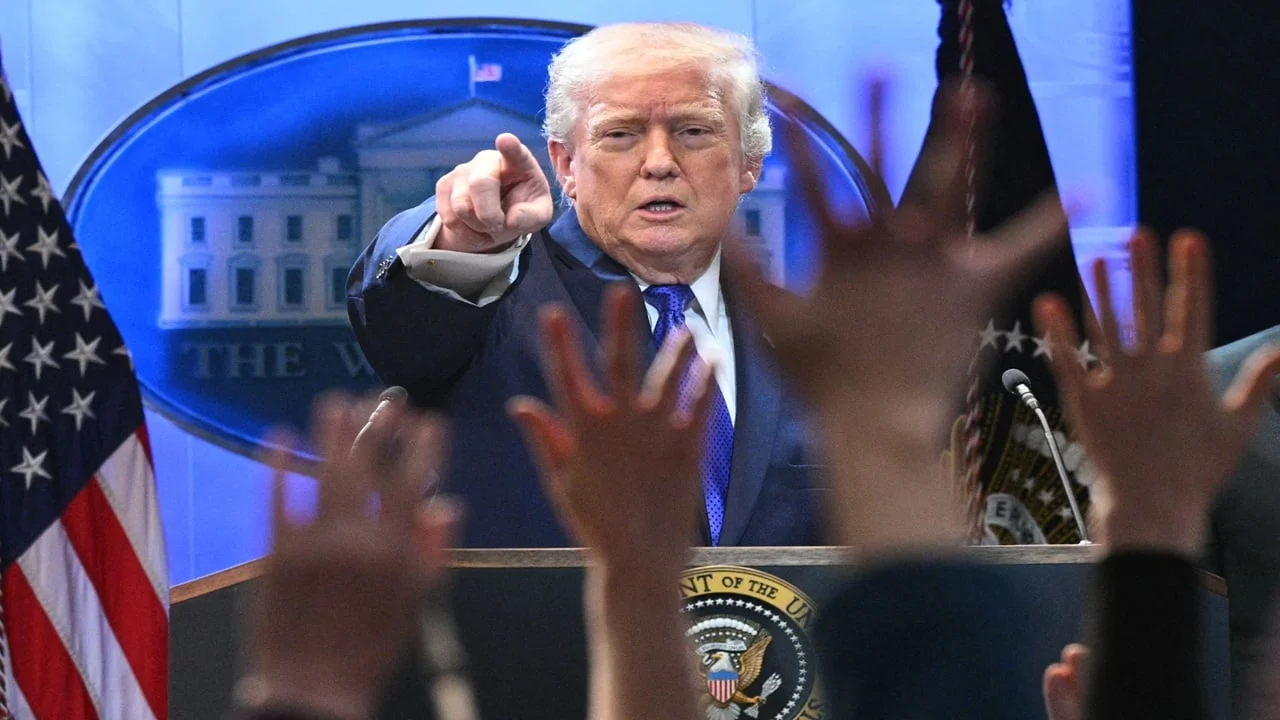
The initial 10% tariff was reportedly announced on February 20th.
The Supreme Court's ruling, described by Trump as "deeply disappointing," overturned a set of global tariffs.
The new 15% tariff is stated to be "effective immediately" by President Trump.
Sources indicate that tariffs imposed under legal authorities separate from the one affected by the Supreme Court ruling, such as those on steel and aluminum, were not directly impacted.
Impact and Context of the Decision
The decision to increase tariffs is expected to have broad implications for global trade, economies worldwide, and potentially the finances of individuals. This move represents a notable use of presidential authority in trade policy, occurring after a ruling from the nation's highest court.
Trump stated his intention to raise the tariff to 15% via a post on Truth Social.
He cited that the current tariff rate would be raised to the "fully allowed, and legally tested, 15% level."
The administration has indicated that it will work to "determine and issue new and legally permissible tariffs" under different legal authorities in the coming months.
differing views on the legal standing of the new tariffs
While President Trump described the new 15% tariff as "legally tested" and "fully allowed," the context surrounding the Supreme Court's decision raises questions about the legal framework for these new measures.
Read More: Trump Raises US Global Tariffs to 15% After Supreme Court Ruling on Saturday
Argument for Legality: Trump's statements suggest that the tariffs are being implemented under authorities that are not in question following the Supreme Court's ruling. He explicitly mentions raising the tariff to a "legally tested" level.
Circumstantial Evidence of Legal Challenge: The timing of the announcement immediately after the Supreme Court's ruling, and Trump's critical remarks about the decision, suggest a response to a legal setback. Was the court's ruling on one set of tariffs so impactful that it prompted an immediate adjustment to others?
Trade Policy and Economic Ramifications
The ongoing use of tariffs by the U.S. administration signals a commitment to using them as a significant economic tool, despite facing legal challenges.
The increase in tariffs could affect global trade relationships.
It may also lead to adjustments in pricing for imported goods, potentially impacting consumers.
The administration's stated intention to find "legally permissible tariffs" indicates an ongoing effort to adapt trade policy within evolving legal boundaries.
Expert Analysis
"The move signals that the US may continue leveraging tariffs as a key economic tool, despite legal setbacks, potentially affecting global trade relations."
This statement suggests that the U.S. administration is committed to employing tariffs as a primary economic strategy. The emphasis is on continuity of policy, even when encountering legal obstacles.
Conclusion
President Trump has announced an immediate increase in global tariffs from 10% to 15%. This action comes the day after a Supreme Court decision that reportedly limited certain trade authorities. While Trump has characterized the new tariff level as "legally tested," the precise legal standing and long-term implications for global trade remain subjects of observation. The administration has indicated a plan to implement new tariffs under different legal frameworks.
Sources:
CBS News: Trump says he will raise global tariffs to 15% after Supreme Court decision
BBC News: Trump announces new 10% global tariff as he hits out at 'deeply disappointing' Supreme Court ruling (Note: This article's primary focus appears to be on the initial 10% tariff and the reaction, with less detail on the subsequent 15% increase.)
Financial Times: Trump raises global tariffs to 15 per cent in wake of Supreme Court loss (Note: Access may require subscription.)
USA Today: Trump ups global tariffs to 15%, escalating clash with Supreme Court
Gulf News: Trump announces US global tariff hike from 10% to 15% day after Supreme Court ruling
Moneycontrol: Trump hikes global tariff plan from 10% to 15%, says it is 'legally tested'