A recent Supreme Court decision concerning President Trump's use of tariffs has revealed a notable division among the court's conservative justices. This split occurred in a case that challenged the president's power to impose tariffs without explicit congressional approval, a move seen by many as a significant check on executive authority. The ruling has implications for Trump's agenda and raises questions about the solidarity of conservative judicial thought when faced with expansive presidential powers.
The core of the matter revolves around whether President Trump’s administration had the legal backing, specifically through the International Emergency Economic Powers Act (IEEPA), to implement broad tariffs. The Supreme Court's majority opinion concluded that the law does not grant the president such authority, thereby reaffirming Congress's role in trade policy. This outcome represents a significant legal setback for Trump, particularly as tariffs have been a cornerstone of his economic strategy.
Read More: Supreme Court Allows Trump Deportations Under Alien Enemies Act in April 2025
Context of the Ruling
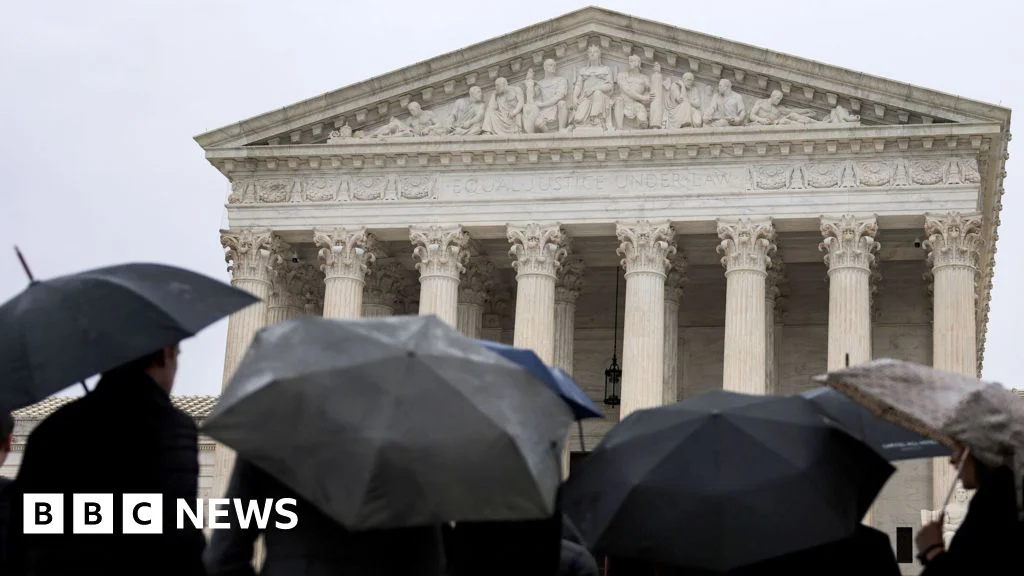
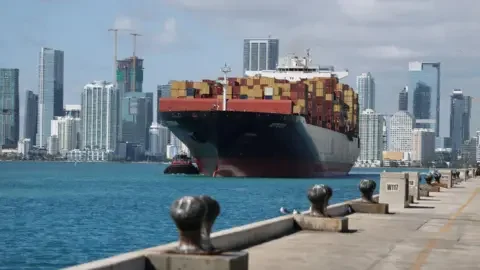
The Supreme Court's decision in Learning Resources v. Trump addressed the legality of tariffs imposed by the Trump administration. The ruling, which went against the president, determined that the IEEPA does not authorize the president to impose tariffs. This marks a critical juncture in the ongoing debate about the balance of power between the executive and legislative branches, especially concerning economic policy.
Key Event: The Supreme Court ruled that President Trump's tariffs were unlawful, finding that the IEEPA did not grant him the authority to impose them.
Constitutional Debate: The case highlighted the constitutional question of how far a US president can extend economic authority without congressional involvement.
Presidential Power: The decision served as a check on President Trump's broad use of executive authority, emphasizing that Congress, not the president, holds the power to impose tariffs.
Impact on Agenda: The ruling is viewed as a blow to President Trump's second-term agenda, particularly his economic policies.
Evidence of Judicial Division
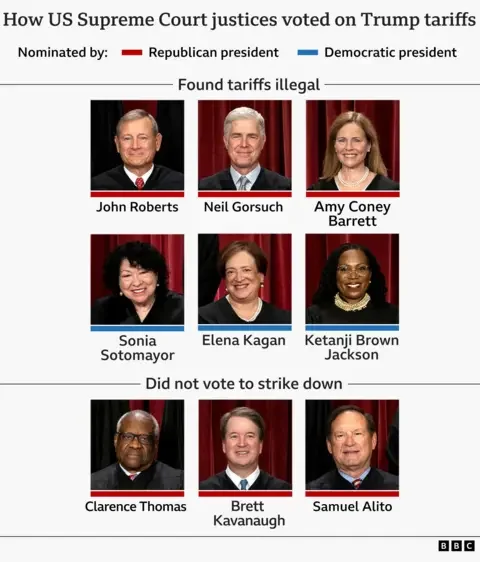
The ruling and its aftermath clearly demonstrate a fracture within the conservative bloc of the Supreme Court. While the court has a six-to-three conservative majority, the tariff case saw three conservative justices dissenting from the majority's judgment. This divergence of opinion within the conservative ranks is a significant development.
Majority Opinion: Chief Justice John Roberts authored the majority opinion, which was joined by both liberal and some conservative justices.
Conservative Dissent: Three conservative justices dissented from the majority's conclusion, indicating a disagreement on the interpretation of the law and the president's powers.
Appointee Split: Notably, two of the justices appointed by President Trump, Neil Gorsuch and Amy Coney Barrett, joined the majority in striking down the tariffs. Justice Brett Kavanaugh, another Trump appointee, dissented.
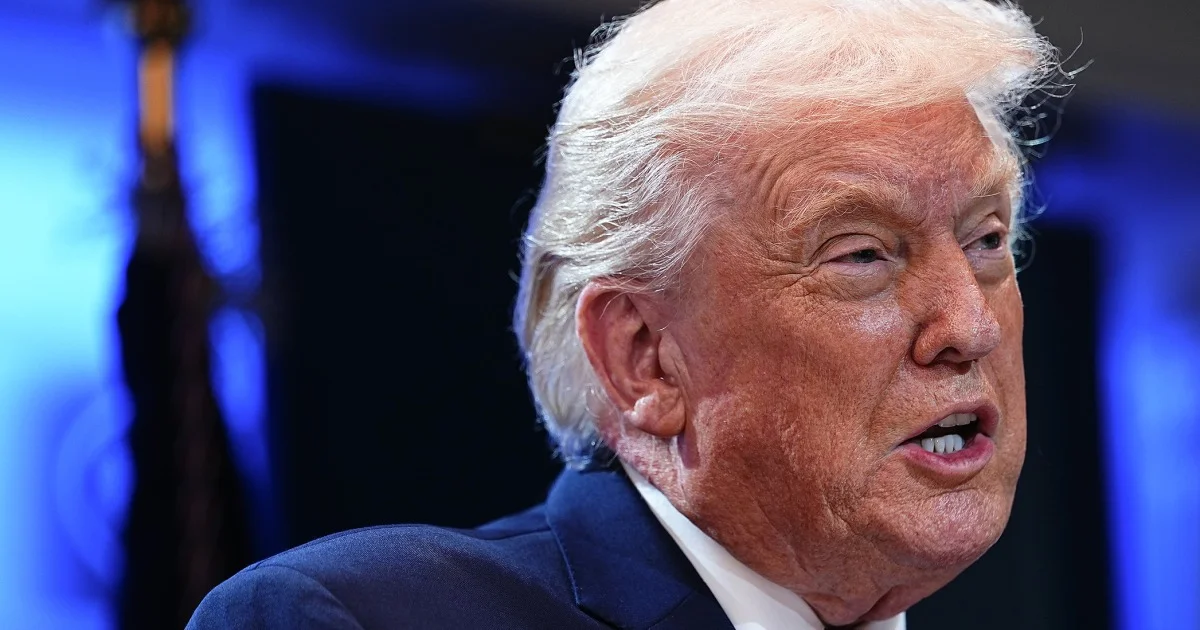
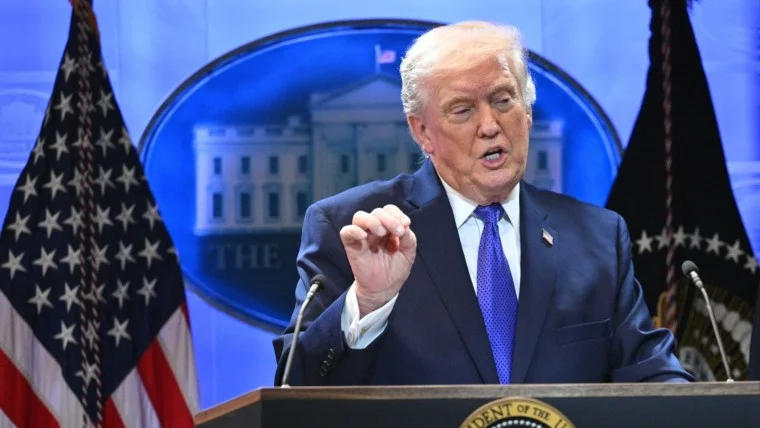
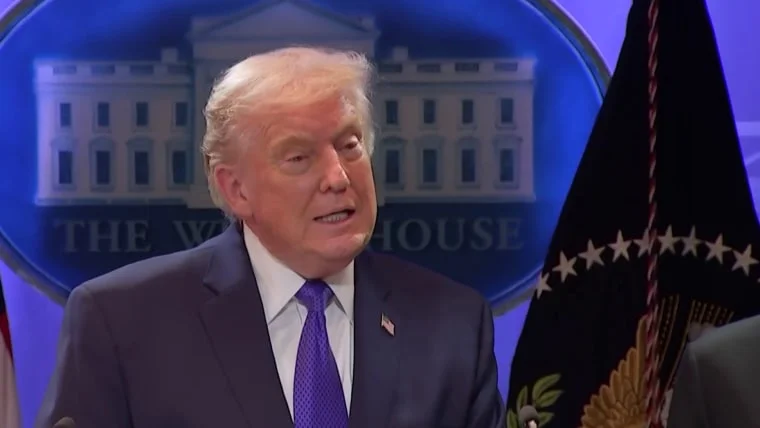
President Trump's Reaction: Following the decision, President Trump expressed his displeasure, appearing to divide the conservative justices into distinct groups and criticizing those who ruled against him.
Examining the Conservative Justices' Stances
The recent ruling on tariffs has illuminated differing judicial philosophies among the conservative justices, particularly regarding presidential power and the role of Congress. This internal disagreement is noteworthy given the court's generally conservative composition.
Read More: CIA Documents Claims: Leftist Activism Affected 19 Files Since 2020
The Majority's Rationale
Several conservative justices aligned with the liberal justices to form the majority that ruled against the tariffs. Their reasoning emphasized the need for congressional authorization for such significant economic measures.
Congressional Authority: Justices Gorsuch, Barrett, and Chief Justice Roberts were part of the majority that held tariffs require congressional action.
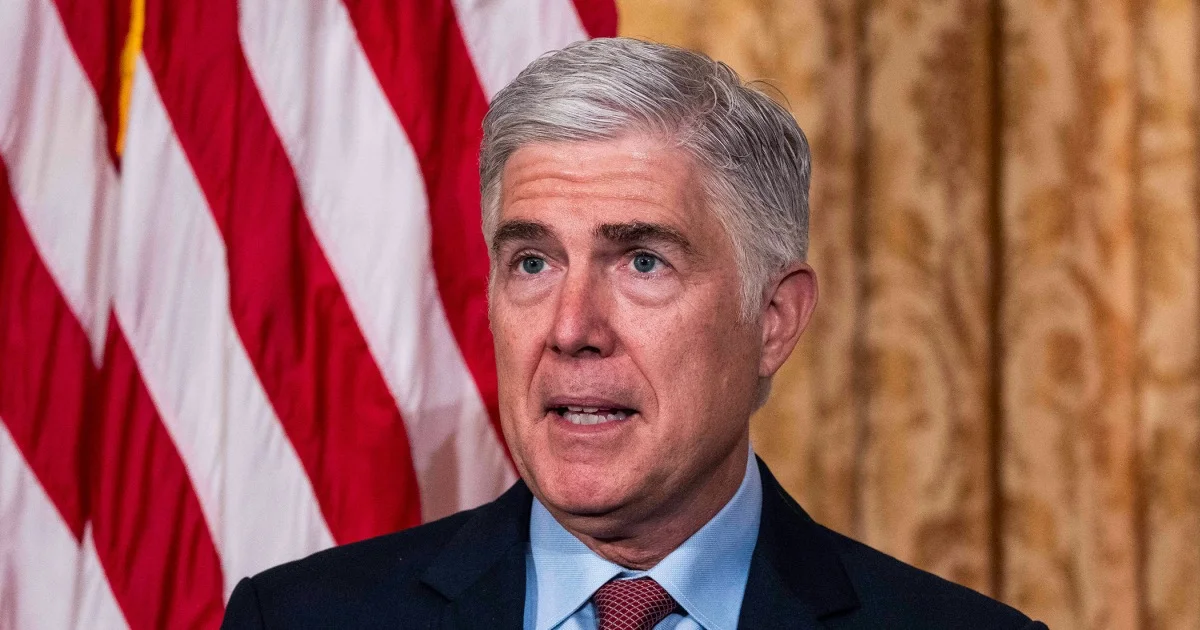
Judicial Philosophy: Justice Gorsuch, in a separate opinion, stressed the importance of major policies like tariffs going through Congress, aligning with a judicial philosophy that prioritizes constitutional structure.
Institutional Limits: The decision, particularly by Trump appointees Gorsuch and Barrett siding with the majority, suggests a prioritization of institutional limits over perceived political alignment.
The Dissenting View
A segment of the conservative justices dissented, arguing for a broader interpretation of presidential authority in imposing tariffs.
Preserving Executive Power: Justices Alito and Kavanaugh, along with an unnamed third conservative justice (implied to be Thomas in Article 8), voted to uphold the president's tariff authority.
Legal Justification: While some dissented, the specifics of their legal arguments for upholding the tariffs are detailed across multiple sources, with some joining only parts of opinions.
Loyalty vs. Law: President Trump, in his response, seemed to perceive the dissenters as acting with "strength, wisdom and love for their country" in contrast to those who ruled against him.
Implications for Trump's Agenda and Future Policy
The Supreme Court's ruling has significant ramifications for President Trump's approach to economic policy and potentially for future presidential actions. The division among conservative justices also signals a potential shift in how such matters will be adjudicated.
Check on Executive Power: The decision serves as a clear check on the president's ability to unilaterally implement significant trade policies.
Reaffirmation of Congressional Role: It reinforces Congress's primary authority over taxation and trade.
Future Challenges: The ruling could embolden challenges to other executive actions that extend beyond congressionally delegated powers.
Internal Court Dynamics: The visible split among conservatives raises questions about the court's future cohesion on matters of executive power.
Expert Analysis
Legal scholars and court observers note the significance of the internal divisions within the Supreme Court's conservative wing.
"This ruling is a defining constitutional moment, reaffirming congressional authority over taxation and revealing that even a president’s own appointees may ultimately side with institutional limits over political loyalty." — As reported by The Times of India, reflecting commentary on the ruling's significance.
"The court's decision represents a rare check on this president's broad use of executive authority. Congress, not the president, has the power to impose tariffs, the justices ruled." — BBC News summarizing the core finding and its impact.
Conclusion and Next Steps
The Supreme Court's decision in the tariff case has unequivocally established that the president cannot unilaterally impose tariffs under the IEEPA, reaffirming Congress's authority in this domain. This ruling represents a substantial curtailment of presidential economic powers and has direct implications for President Trump's policy agenda. The evident division among the conservative justices, with two Trump appointees joining the majority opinion, highlights a commitment to institutional principles over perceived political loyalty among some members of the court.
Read More: Supreme Court Limits Trump's Tariff Powers on Emergency Tariffs in 2026
The immediate implication is a significant legal and political setback for President Trump, who has relied heavily on tariffs as a tool of economic policy. This outcome may also signal a new dynamic in how the Supreme Court approaches cases involving presidential power, particularly when those powers are asserted without explicit legislative backing. Future challenges to executive actions, especially those concerning economic and trade policy, may find a more receptive audience if they align with established congressional authority.
Key Finding: The IEEPA does not authorize the president to impose tariffs.
Judicial Alignment: A majority, including liberal justices and some conservatives (notably Trump appointees Gorsuch and Barrett), ruled against the president.
Conservative Division: Three conservative justices dissented, indicating differing views on executive authority.
Presidential Response: President Trump publicly criticized the justices who ruled against him.
Future Outlook: The ruling may set precedents for future challenges to executive authority in economic policy.
Sources Used
dnyuz.com: https://dnyuz.com/2026/02/21/divide-among-supreme-courts-conservatives-could-test-trumps-agenda/ - Published 5 minutes ago. Provides an overview of the conservative split and potential impact on Trump's agenda, noting the division among six conservative justices.
washingtonexaminer.com: https://www.washingtonexaminer.com/news/supreme-court/4465441/supreme-court-conservatives-split-trump-tariffs-ruling/ - Published recently. Details how conservative justices split sides with liberals, identifying specific justices who joined which opinions.
eu.usatoday.com: https://eu.usatoday.com/story/news/politics/2026/02/20/conservative-supreme-court-justices-trump-tariffs-ruling/88784121007/ - Published 16 hours ago. Focuses on the split among conservative justices and President Trump's critical reaction, highlighting Gorsuch's opinion on congressional power.
timesofindia.indiatimes.com: https://timesofindia.indiatimes.com/world/us/tariff-ruling-meet-the-trump-appointed-supreme-court-judges-who-went-against-him/articleshow/128632824.cms - Published 11 hours ago. Examines Trump-appointed judges who went against him, framing the ruling as a defining constitutional moment that reaffirmed congressional authority.
bbc.com: https://www.bbc.com/news/articles/cx2jqgdn719o - Published recently. States the ruling is a major blow to Trump's agenda and a rare check on executive authority, with the court affirming Congress's power over tariffs.
theguardian.com: https://www.theguardian.com/us-news/2026/feb/21/trump-tariffs-ruling-supreme-court - Published 4 hours ago. Describes the ruling as putting Trump "on notice" and declares his sweeping tariffs unlawful, clarifying the IEEPA did not grant authority.
nbcnews.com: https://www.nbcnews.com/politics/supreme-court/tariffs-case-supreme-court-justices-bicker-biden-trump-treatment-rcna259922 - Published recently. Notes justices bickering over how to treat Trump and Biden differently, with Gorsuch criticizing colleagues' approaches.
bbc.com: https://www.bbc.com/news/articles/cd9g0e7zd8wo - Published 13 hours ago. Reports on Trump lashing out at justices and praising those who voted to keep his tariffs authority intact.
newrepublic.com: https://newrepublic.com/article/206874/supreme-court-trump-tariff-defeat - Published 2 days ago. Describes the ruling as a "crushing blow" to Trump's policy agenda, stating the law does not grant a "blank check" for tariffs without congressional approval.
time.com: https://time.com/7380033/supreme-court-tarriffs-ruling-trump/ - Published 20 hours ago. Reports the Supreme Court struck down Trump's tariffs, dealing a blow to his economic agenda and setting limits on emergency powers.