The Supreme Court has ruled that President Donald Trump exceeded his power when imposing broad tariffs on goods from various countries. This decision strikes down a significant portion of his economic policies, raising questions about presidential authority in trade matters and future economic strategies. The ruling has sparked immediate reactions, with President Trump announcing plans to implement new tariffs.

Background of the Tariffs
President Trump's administration implemented a series of tariffs, particularly in his second term, citing national emergency powers and aiming to reshape global trade and bolster the American economy. These tariffs impacted numerous countries and a wide array of products.

The tariffs were often imposed using the International Emergency Economic Powers Act (IEEPA), a law typically reserved for national emergencies.
Previous court decisions at the federal trade and appeals levels had already found some of these IEEPA tariffs to be illegal.
Chief Justice Roberts noted a lack of historical precedent for using this law to impose tariffs.
The Supreme Court's ruling specifically addressed tariffs imposed on Mexico, Canada, and China using IEEPA. Tariffs on steel and aluminum imposed under different laws remain in place.
Supreme Court's Decision and Rationale
The Supreme Court, in a 6-3 decision, ruled against President Trump's use of IEEPA to impose widespread tariffs.

The court determined that the president exceeded his authority by applying the national emergency law to implement these sweeping tariffs.
The decision is seen as a major rebuke of President Trump's signature economic policy and his asserted power to impose tariffs without direct congressional input.
The ruling highlights the limits of presidential power when using emergency statutes to enact significant economic changes.
President Trump's Response and Future Actions
Following the Supreme Court's decision, President Trump has stated his intention to reimpose tariffs using alternative legal avenues.
Read More: Supreme Court Limits Trump's Tariff Powers on Emergency Tariffs in 2026
Despite the Supreme Court striking down most of his previous tariffs, several U.S. statutes could allow him to reimpose them.
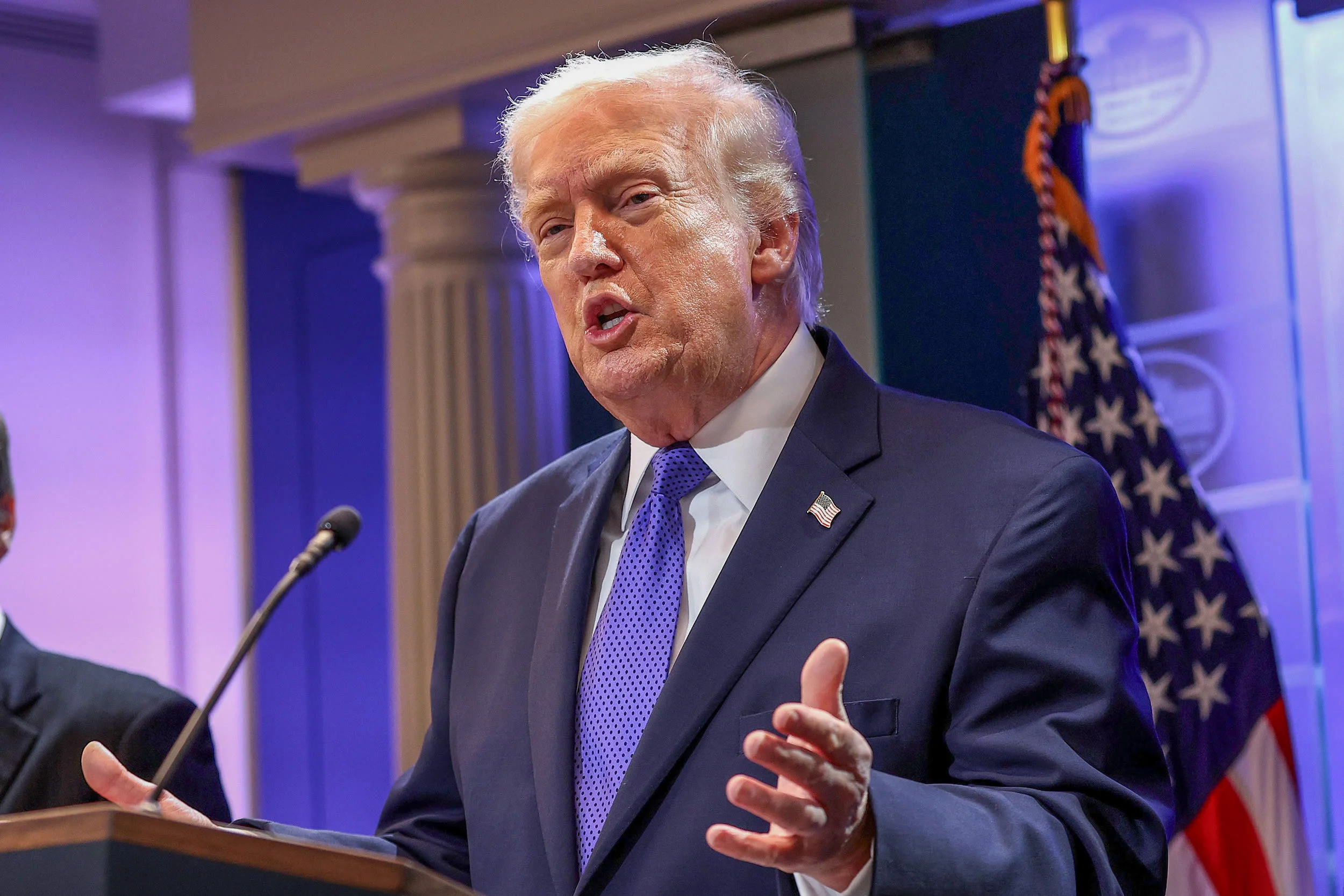
President Trump announced plans to sign a new 10% global tariff, indicating a determination to continue his trade policies.
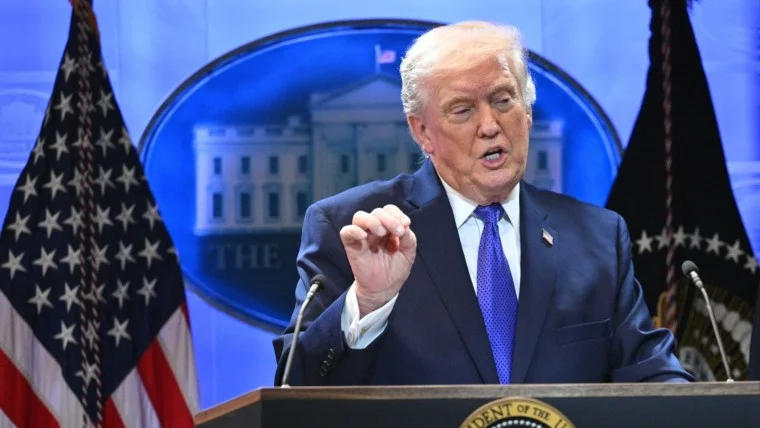
He is scheduled to hold a press conference to discuss the Supreme Court's ruling.
Impact and Implications
The Supreme Court's ruling has broad implications for trade, the economy, and the balance of presidential power.
The decision upends tariffs in specific categories, though not all of President Trump's tariffs are affected.
The ruling carries major financial and legal consequences, affecting global trade relationships and potentially the global economy.
While the Supreme Court limited the use of IEEPA for tariffs, other statutes, such as provisions of the Trade Expansion Act, could be invoked for temporary tariffs, though these may have shorter durations.
Expert Analysis
The ruling is being interpreted as a significant check on executive power in the realm of international trade.
"The Supreme Court dealt President Donald Trump a bruising loss on a cornerstone of his economic policy, striking down sweeping tariffs he imposed on nearly every country." - Associated Press
This decision curtails a policy President Trump has often credited with strengthening American leverage abroad. The court's emphasis on established legal precedent and the limits of emergency powers suggests a careful consideration of how such broad economic actions are enacted.
Sources Used:
NBC News: https://www.nbcnews.com/politics/supreme-court/supreme-court-strikes-trumps-tariffs-major-blow-president-rcna244827
CNBC: https://www.cnbc.com/2026/02/20/supreme-court-trump-tariffs-ruling.html
NBC News: https://www.nbcnews.com/politics/supreme-court/live-blog/-trump-tariffs-ruling-supreme-court-live-updates-rcna252655
NPR: https://www.npr.org/2026/02/21/nx-s1-5721206/a-look-at-the-scotus-ruling-on-trumps-tariffs
PBS NewsHour: https://www.pbs.org/newshour/politics/what-to-know-about-the-supreme-court-ruling-on-trumps-tariffs
TIME: https://time.com/7380033/supreme-court-tarriffs-ruling-trump/