A recent Supreme Court decision has invalidated a significant portion of President Trump's trade tariffs, creating a complex situation for international commerce and domestic industries. While the court ruled that Trump overstepped his authority by using a 1970s emergency law to impose these levies, the full impact on existing trade deals and future economic policy remains a subject of ongoing analysis. The ruling, which affects tariffs on goods from nearly every country, prompts questions about potential refunds, the future of businesses that paid these tariffs, and whether this decision signals a broader shift in how trade disputes will be handled.

Context of the Supreme Court's Tariff Ruling
The Supreme Court's decision on President Trump's tariffs stems from his administration's use of emergency powers to impose levies on imports.

The tariffs in question were primarily enacted under a 1970s emergency statute, which the court found was misused.
These tariffs represented a substantial portion of the total tariff revenue collected, estimated to be about half.
The ruling specifically targets tariffs imposed on imports from almost all U.S. trading partners, including those previously placed on China, Mexico, and Canada.
It is important to note that not all of Trump's tariffs were affected; some, such as those on steel and aluminum enacted under different laws, remain in place.
The administration had previously warned of potential "payback" from countries affected by these tariffs.
Economic and Trade Implications
The Supreme Court's decision to overturn key tariffs has generated varied reactions and raises several important considerations for the U.S. economy and its international trade relationships.
Read More: Supreme Court May Order Ayodhya Temple Fund Audit Due to Theft Claims

Refunds and Financial Impact: The ruling is expected to lead to a complicated refund process for companies that paid the tariffs. Treasury Secretary Scott Bessent indicated that these refunds could take up to a year to process. While the Trump administration had suggested refunds would be issued without further litigation, the exact mechanisms and timeline are still being determined. This could mean a reduction in available government revenue.
Trade Deals and International Relations: The decision may alter the leverage the U.S. has in trade negotiations. Trump had used tariffs as a significant negotiating tactic. With these specific tariffs now invalidated, it is unclear how this will affect ongoing or future trade discussions with countries like China, Canada, and those in Europe. Some reports suggest Trump feels emboldened to continue his "tariff war" despite the court's curb on his powers under the IEEPA.
Domestic Manufacturing: A key promise of Trump's tariff policy was the revitalization of American manufacturing. However, evidence presented suggests that these tariffs have not demonstrably sparked a significant revival in domestic production, despite being the highest since the Great Depression.
Evidence and Expert Commentary
The Supreme Court's decision has been met with various interpretations and analyses from different sources.
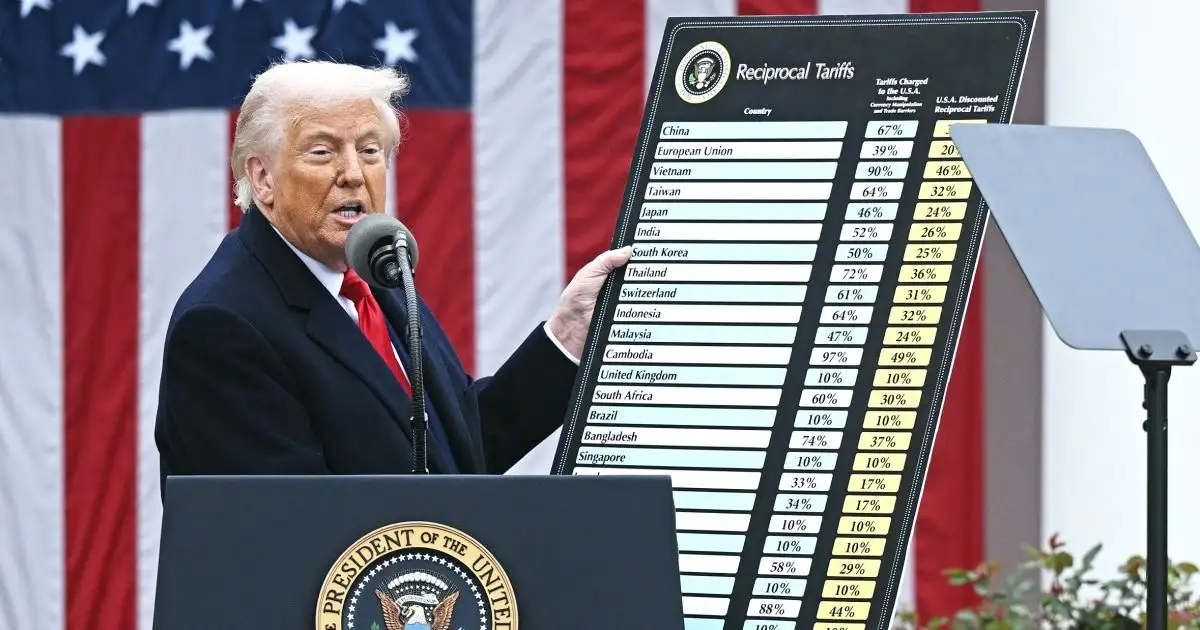
The core of the ruling is that President Trump overstepped his authority by using a national emergency statute for broad import tariffs.
The US Supreme Court "struck down Donald Trump’s flagship policy of imposing tariffs on foreign imports."
"The tariffs at issue in the Supreme Court case represent about half the total tariff bill."
Despite the ruling, President Trump has indicated that the "tariffs would not stop," suggesting a continued reliance on this trade tool, albeit potentially through different legal channels.
Financial markets showed a positive reaction to the news of the ruling, with stocks rallying.
Tariffs Under Different Statutes
The Supreme Court's ruling did not invalidate all tariffs imposed by the Trump administration.
Tariffs enacted under specific statutes, separate from the emergency law, remain in effect.
Examples include tariffs on steel and aluminum, which were reportedly imposed under different legal frameworks and are therefore unaffected by this particular Supreme Court decision.
The ruling focuses on tariffs that were "slapped in April on almost all U.S. trading partners and levies he imposed before that on China, Mexico and Canada," as described by one report.
This distinction suggests a nuanced approach to tariff policy, where the method of implementation significantly influences legal challenges.
The Future of Tariffs and Trade Policy
The Supreme Court's decision presents a pivotal moment for U.S. trade policy, raising fundamental questions about the executive branch's authority and the long-term implications for international commerce.
The immediate consequence is the invalidation of a significant portion of tariffs, impacting revenue streams and potentially requiring substantial refunds.
The administration's ability to implement future tariffs may be constrained, or at least require more careful legal justification.
Businesses that paid the invalidated tariffs are expected to pursue refunds, creating a complex administrative and financial process.
The ruling highlights the ongoing debate about the effectiveness of tariffs as a tool for revitalizing domestic industries and negotiating trade agreements.
Reports indicate that while the court curbed specific powers, Trump remains committed to using tariffs as a trade strategy.
Conclusion: A Complex Path Forward
The Supreme Court's decision to overturn key President Trump tariffs represents a significant shift in the landscape of U.S. trade policy. While the ruling clarifies that the president exceeded his authority in this instance, the broader implications for international trade and domestic economic strategy are still unfolding. The complexity of refund processes, the potential for continued use of tariffs through alternative legal means, and the impact on ongoing trade relations with major partners like China, Canada, and European nations, all point to an uncertain and dynamic future. The decision does not represent a complete abandonment of tariffs but rather a judicial check on their specific implementation, prompting a reevaluation of how such policies will be pursued moving forward.
Read More: US May Add Tariffs on Australian Goods Due to Forced Labour
USAToday.com: Provides information on the practical consequences of the ruling, including refund complexities and potential revenue shifts. https://www.usatoday.com/story/news/politics/2026/02/20/tariffs-trump-supreme-court-refunds-trade-deals/88103891007/
The Guardian: Details the ruling's impact on Trump's broader trade war strategy and his stance on future tariff implementation. https://www.theguardian.com/us-news/2026/02/20/what-will-happen-to-trump-tariffs-after-supreme-court-verdict
NPR: Explains the scope of the ruling, distinguishing between affected and unaffected tariffs, and discusses the stated goals versus the observed outcomes for domestic manufacturing. https://www.npr.org/2026/02/20/nx-s1-5677609/tariffs-economy-trump-supreme-court
AP News: Focuses on the specific tariffs impacted by the federal appeals court's (and implicitly, the Supreme Court's) decision, including those on China, Mexico, and Canada. https://apnews.com/article/trump-tariffs-court-ruling-trade-1c5a02ad38597c3629eff5977490813a
NBC News: Reports on the significance of the Supreme Court's ruling as a major setback for President Trump and clarifies which tariffs remain in place. https://www.nbcnews.com/politics/supreme-court/supreme-court-strikes-trumps-tariffs-major-blow-president-rcna244827