Trump Faces Setback on Tariffs, Signals New Approach
The U.S. Supreme Court has ruled against President Donald Trump's broad use of tariffs, a key part of his economic strategy. The court decided he overstepped his authority by using a specific law to impose taxes on goods from almost every country. This decision, a significant blow to his agenda, has prompted Trump to look for alternative legal avenues to enact tariffs. He has stated his intention to proceed with new tariffs using different laws, signaling a continued commitment to this trade policy despite the legal challenges.

Background of the Tariff Dispute
The Supreme Court's decision on Friday struck down tariffs that President Trump had enacted under the International Emergency Economic Powers Act (IEEPA). This law, designed for emergency situations, was interpreted by Trump's administration to allow for wide-ranging tariffs. The court's 6-3 ruling affirmed that IEEPA did not grant the president such authority for these broad tariffs, upholding a lower court's decision.
Read More: Taiwan Holds Nantou County Drills to Prepare for State Collapse
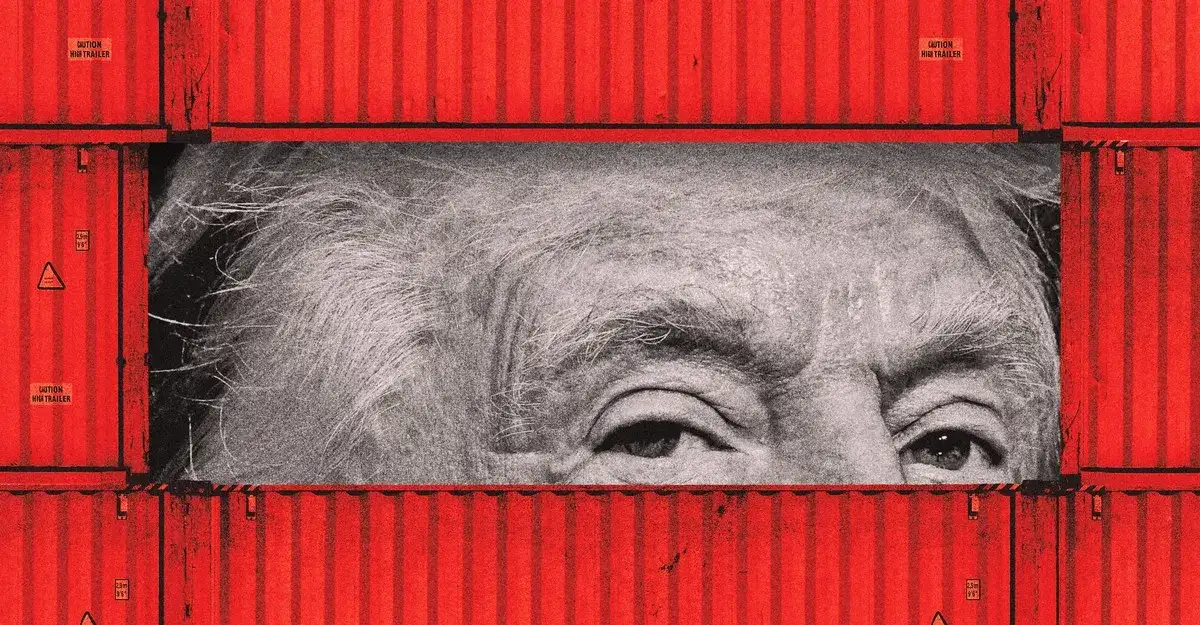
IEEPA Tariffs: The tariffs in question were largely imposed using IEEPA. These tariffs accounted for a substantial amount of U.S. tariff revenue.
Supreme Court Ruling: The court found that the executive branch exceeded its legal powers by using IEEPA for these sweeping tariffs.
Reaction: Some within the Republican party, including those who have previously opposed Trump, have welcomed the decision as a proper reassertion of power by the legislative branch. Trump himself has reacted with strong criticism of the justices involved.
Trump's Proposed Alternatives for Tariff Implementation
Following the Supreme Court's rejection of tariffs under IEEPA, President Trump has publicly stated his intent to utilize other existing laws to impose new tariffs. He has indicated that he is already considering at least two specific legal provisions: Section 122 and Section 301.
Section 301: This section has been previously used by both the Trump and Biden administrations to impose tariffs, particularly on goods from China. It allows for investigations into unfair trade practices and can result in additional duties.
Section 122: This section is also being considered by Trump as a legal basis for new tariffs.
Section 338: This is another broad legal authority that has been cited as a potential option. It was used during Trump's first term to levy duties on steel and aluminum.
Section 232: This provision is designed to address national security concerns related to imports and can be applied to specific sectors. It does not require an agency investigation before tariffs can be imposed.
Section 201: This section also provides authority for tariffs but may have specific rollout procedures that would prevent immediate implementation.
Legal and Economic Ramifications
The Supreme Court's decision on the IEEPA tariffs has significant implications for both U.S. trade policy and the economy. While the ruling may have been met with approval by some segments of the stock market, it represents a substantial setback for Trump's declared economic agenda.

Revenue Impact: The tariffs previously imposed under IEEPA constituted a large portion of the revenue generated from tariffs. The invalidation of these means a potential loss of this revenue stream.
Domestic Manufacturing: Promises made by Trump that these tariffs would revitalize U.S. manufacturing have not shown clear evidence of materializing, according to some reports.
Refunds: There is a question of whether billions of dollars collected through these tariffs may need to be refunded.
"Zombie Tariffs": The potential for "zombie tariffs" or tariffs that are constantly challenged and overturned is a possibility, especially if new tariffs are enacted through legally contested means.
Expert Perspectives
Analysts suggest that President Trump has a demonstrated willingness to leverage tariffs as a significant negotiating tool in trade relations. His administration's expansive interpretation of existing laws, as seen with IEEPA, highlights a strategic approach to trade enforcement.
"Trump is a true believer when it comes to using tariffs as a negotiating tactic." (NPR)
The Trump administration previously used Section 301 to impose tariffs, and the Biden administration has continued to use this section for specific goods from China. (The Atlantic, Bloomberg Law)
Conclusion and Next Steps
The Supreme Court's ruling has invalidated President Trump's use of the International Emergency Economic Powers Act for imposing broad tariffs. However, the president has signaled a strong intent to continue pursuing tariffs by exploring other legal authorities, including Section 122 and Section 301. This indicates a potential continuation of trade disputes and economic policy shifts as the administration seeks to implement its tariff strategy through alternative legal channels. The precise impact of these new efforts and the legal challenges they may face remain to be seen.
Read More: US May Add Tariffs on Australian Goods Due to Forced Labour
Sources:
AP News: https://apnews.com/live/supreme-court-tariff-ruling-updates
CNBC: https://www.cnbc.com/2026/02/20/trump-global-trade-tariff-supreme-court.html
The Atlantic: https://www.theatlantic.com/economy/2026/02/supreme-court-trump-tariffs/686083/
Bloomberg Law: https://news.bloomberglaw.com/international-trade/trumps-options-after-supreme-court-said-his-tariffs-are-illegal
CBS News: https://www.cbsnews.com/news/supreme-court-tariffs-decision-trump/
NPR: https://www.npr.org/2026/02/20/nx-s1-5677609/tariffs-economy-trump-supreme-court