A recent trade agreement between India and the United States has ignited strong opposition from various farmer groups and political parties across India. Protests and strikes have been organized, with critics asserting that the deal will negatively impact Indian farmers by opening the domestic market to potentially subsidized agricultural products from the U.S. Supporters of the agreement argue it will boost exports, attract investment, and strengthen ties between the two nations.
Background of the Trade Deal and Opposition
Discussions surrounding an India-U.S. trade pact have been ongoing, with an interim framework announced this month. This framework aims to lower tariffs and deepen economic ties. However, the details of the agricultural aspects of this deal have become a major point of contention.
Timeline: While the interim framework was announced recently, concerns about agricultural trade have been a sticking point for some time, as indicated by a report from July 2025 noting that farm goods were delaying a breakthrough.
Key Actors:
Farmer Unions: Groups like the Bharatiya Kisan Union (BKU) and the Samyukt Kisan Morcha (SKM) have voiced strong objections.
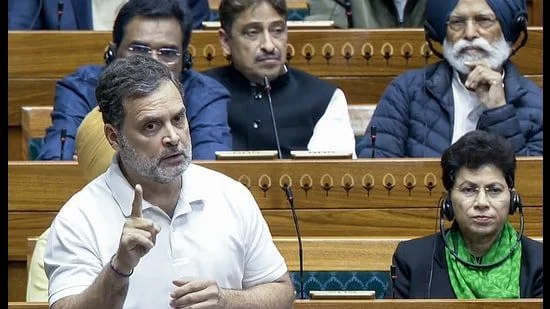
Political Parties: The opposition Indian National Congress, led by figures like Mallikarjun Kharge, has announced plans for targeted campaigns against the deal.
Government: The Indian government, including Trade Minister Piyush Goyal, has defended the pact, stating that farmers' interests are protected.
U.S. Interests: The U.S. is reportedly seeking market access for products like pork and dairy, while India desires better access for its mangoes, pomegranates, and shrimp.
Points of Contention in the Trade Deal
The core of the disagreement centers on the potential impact of reduced import duties and increased market access for U.S. agricultural products.
Read More: US May Add Tariffs on Australian Goods Due to Forced Labour
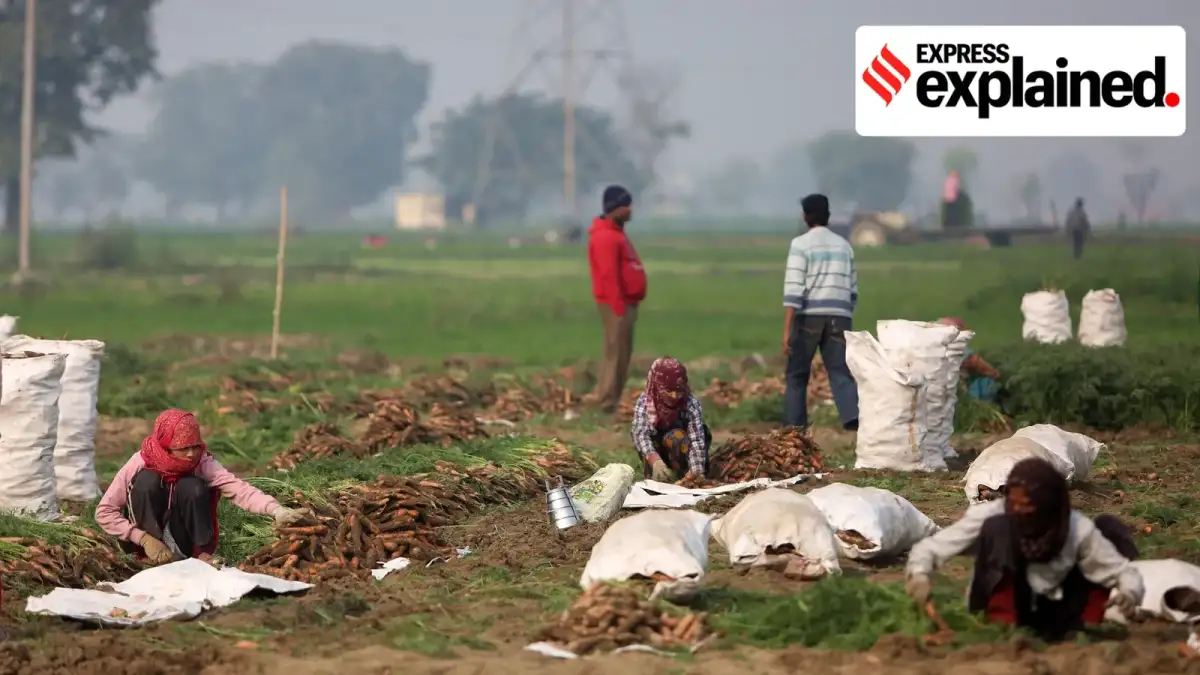
Market Access for U.S. Products: Critics fear that the deal will allow subsidized U.S. agricultural goods, such as apples, pork, and dairy, to enter the Indian market. This, they argue, could threaten the livelihoods of millions of small-scale Indian farmers. For instance, a previous agreement framework with New Zealand and a potential India-EU deal mention concessional duties on apples, raising fears about further reductions under the U.S. pact.
Impact on Indian Agriculture: Concerns have been raised that the deal could be devastating for specific sectors and regions. Farmers in areas like Jammu and Kashmir and Himachal Pradesh are particularly worried about the impact on their apple crops if import duties are significantly lowered.
U.S. Agricultural Priorities: Reports indicate that the U.S. is keen on securing access for its pork and dairy products, while India is seeking to overcome barriers for its own exports like mangoes and shrimp.
"The trade deal with Washington opens the Indian market to subsidized agricultural products, threatening the livelihoods of millions of small farmers." - Article 2
"India’s existing import duty on apples is about 50%, and under the pact, New Zealand apples imported within a specified quota will face a concessional duty of 25%." - Article 4
Political Ramifications and Protests
The trade deal has become a significant political issue, with opposition parties leveraging farmer grievances to challenge the government.

Nationwide Strikes: Coalitions of trade unions and farmers' groups have organized nationwide strikes to protest the interim agreement.
Opposition Campaigns: The Indian National Congress has identified specific states where they believe farmers will be most affected and plans to launch targeted campaigns. Party leaders are strategizing to engage with farmer bodies in these regions.
Government Defense: The Indian government maintains that the trade pact is designed to expand exports, attract investment, and strengthen strategic ties. They assert that the interests of farmers in the agriculture and dairy sectors are safeguarded.
"The government in New Delhi has defended the interim trade pact as a step toward expanding exports, attracting investments and strengthening strategic ties with the U.S." - Article 2
"Congress president Mallikarjun Kharge and Gandhi are scheduled to meet the Pradesh Congress leaders from these six states on February 20 to chalk out a concrete strategy on how to reach out to farmers and farm bodies in the states." - Article 3
Underlying Tensions and Future Implications
A fundamental element driving the conflict appears to be a deep-seated mistrust and political sensitivity surrounding agriculture in both nations.
Reciprocal Market Access: The desire for reciprocal market access, with the U.S. seeking entry for its products and India aiming for better access for its own, is a key aspect of the negotiations.
Regulatory Barriers: U.S. exporters have expressed concerns about India's complex systems for approving genetically modified crops, food safety standards, and labeling requirements, describing them as opaque and unpredictable.
Perceived Unilateralism: Some farmer groups, like a faction of the BKU, have viewed the deal as a unilateral declaration by the U.S. and have threatened further agitation if their concerns are not addressed.
"The core of the issue is mutual distrust and the political sensitivity of agriculture in both countries." - Article 5 (translated from Spanish)
"Rakesh Tikait, BKU spokesperson, has described the deal as a unilateral U.S. declaration and threatened agitation." - Article 1
Conclusion and Next Steps
The India-U.S. trade agreement has highlighted significant divisions regarding agricultural trade policy. Farmer unions and opposition parties are expressing grave concerns about the potential negative impacts on domestic farmers, demanding clarity and reassurances from the government. While the government maintains the deal's benefits, the widespread protests and political opposition indicate that these issues will continue to be a focal point. Further developments are anticipated as political campaigns are launched and discussions on the full trade pact continue.
Sources Used:
The Hindu: "Farm politics intensifies in west U.P. over India-U.S. deal" (Published: 11 minutes ago) - Provides details on farmer group reactions and political engagement in Uttar Pradesh.🔗 https://www.thehindu.com/news/national/uttar-pradesh/farm-politics-intensifies-in-westup-overindia-us-deal/article70661261.ece
AP News: "Indian unions and farmers stage a nationwide strike over interim trade deal with US" (Published: Feb 12, 2026) - Reports on the nationwide strike, government defense, and specific concerns about market opening.🔗 https://apnews.com/article/india-modi-protest-trade-deal-us-farmers-90746ddd26679ba11a180aa36a4612c5
Hindustan Times: "Congress plans farmers’ stir on US deal in five states and 1 UT" (Published: 3 days ago) - Details the Congress party's strategy for campaigning against the trade deal in specific states.🔗 https://www.hindustantimes.com/india-news/congress-plans-farmers-stir-on-us-deal-in-five-states-and-1-ut-101771354575018.html
The Indian Express: "Why farmer unions have called for a strike against US-India trade deal framework" (Published: Feb 10, 2026) - Explains the concerns of farmer unions, including market opening and specific commodity impacts like apples.🔗 https://indianexpress.com/article/explained/farmers-strike-protests-us-india-trade-deal-concerns-10524416/
AgroLatam: "Why Farm Goods Are Delaying a Major U.S.-India Trade Breakthrough" (Published: Jul 3, 2025) - Provides context on agricultural trade negotiations, including specific products of interest and underlying mutual distrust.🔗 https://www.agrolatam.com/news/why-farm-goods-are-delaying-a-major-u-s-india-trade-breakthrough/
The Hindu: "Kharge warns Centre of massive farm protests against U.S. trade deal" (Published: Feb 4, 2026) - Features opposition leader Mallikarjun Kharge's warnings and arguments regarding the deal's impact on farmers.🔗 https://www.thehindu.com/news/national/trade-deal-with-us-will-hurt-indian-farmers-govt-wants-to-destroy-agri-sector-kharge/article70591562.ece