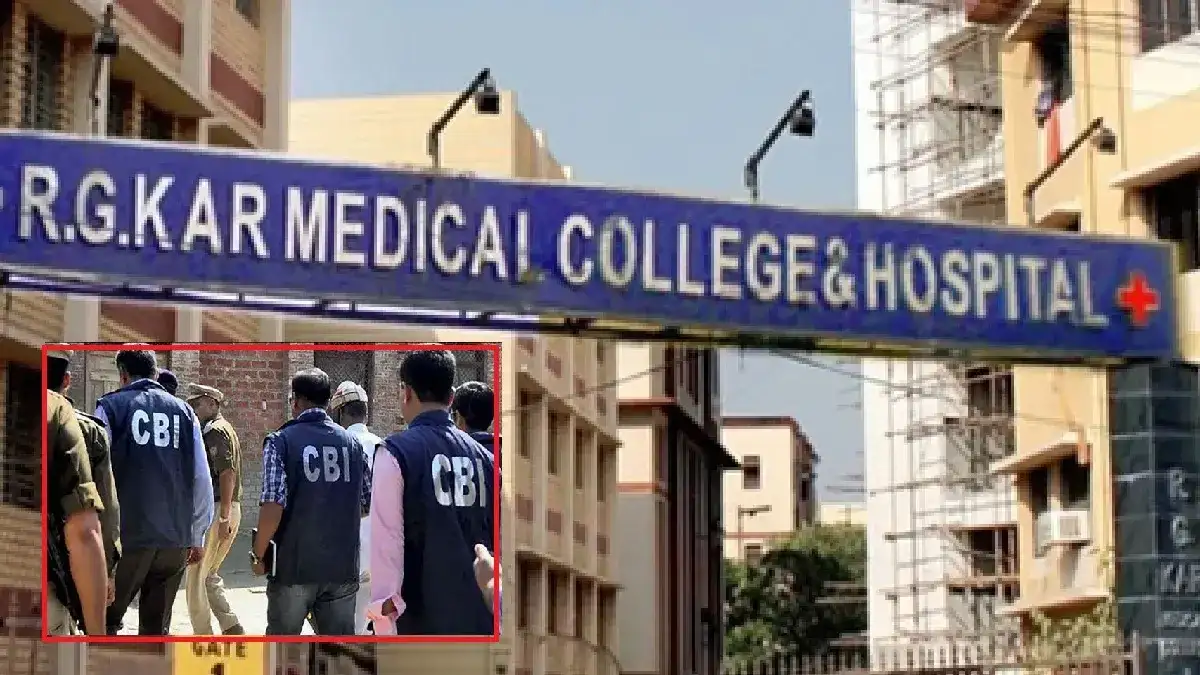
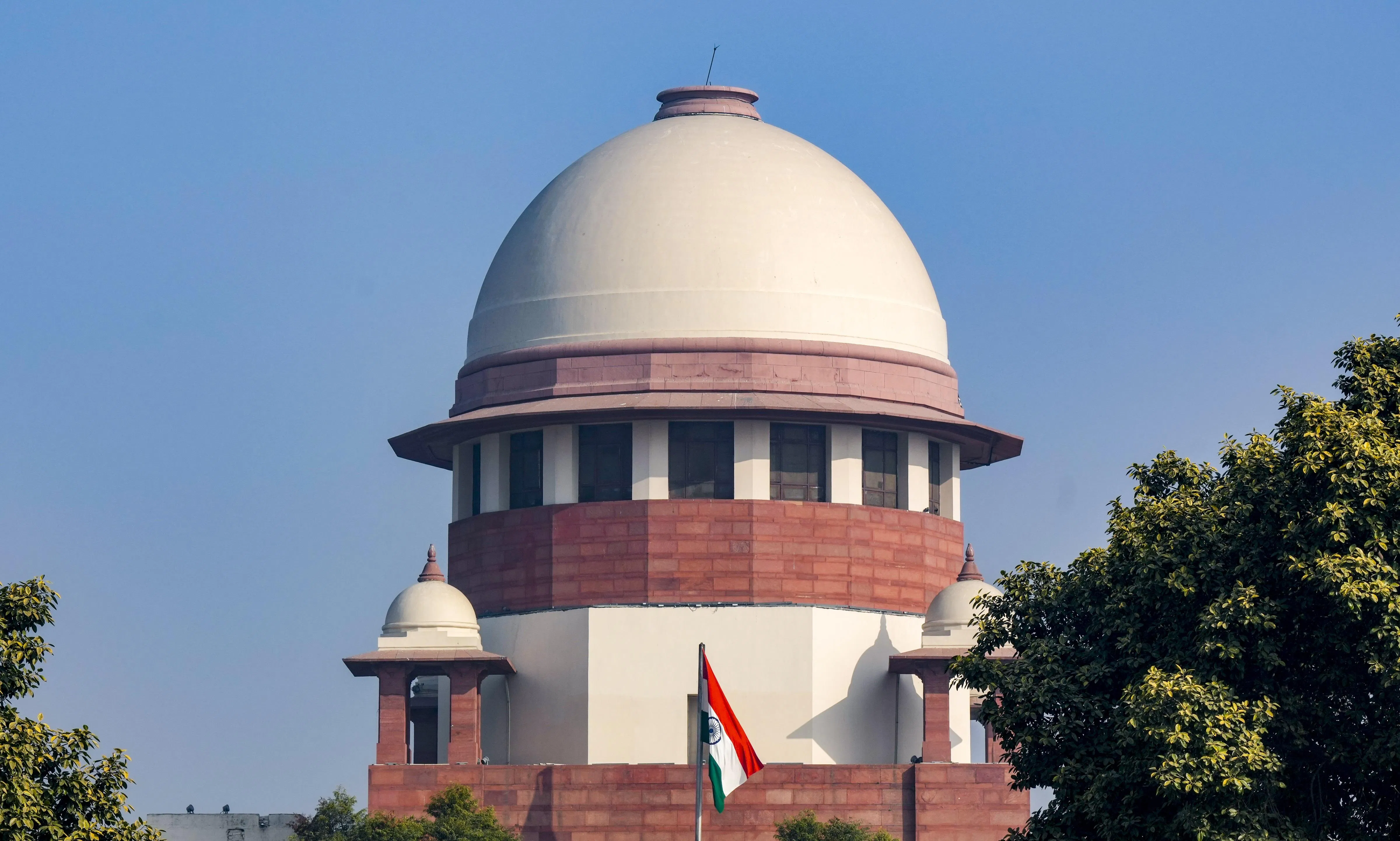
The Supreme Court of India has granted the Trinamool Congress (TMC)—led by former Chief Minister Mamata Banerjee—liberty to file independent interlocutory applications regarding electoral discrepancies. The bench, presided over by Chief Justice of India Surya Kant and Justice Joymalya Bagchi, acknowledged claims that in at least 31 Assembly constituencies, the margin of defeat was smaller than the volume of voters excluded during the Special Intensive Revision (SIR).
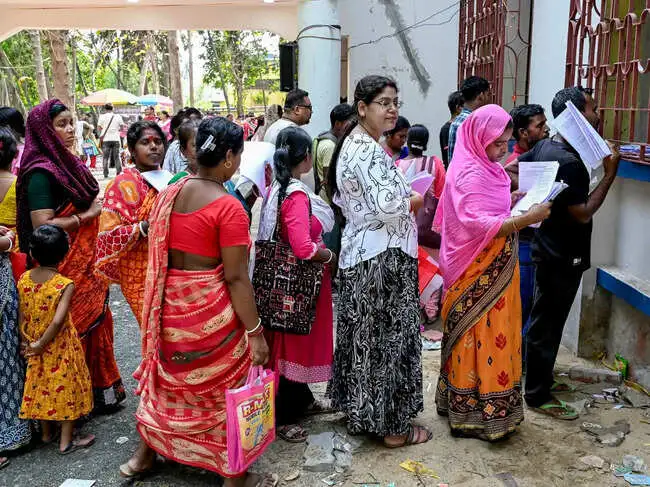
The core contention rests on whether the administrative removal of names from the electoral rolls effectively altered the outcomes of the recent West Bengal Assembly elections, where the BJP secured 207 seats to the TMC's 80.

Current Status and Procedural Stance
The Election Commission of India (ECI) has resisted these legal challenges, maintaining that concerns regarding specific election results must be adjudicated via formal election petitions rather than through broad constitutional challenges to the revision process.
Read More: Supreme Court May Order Ayodhya Temple Fund Audit Due to Theft Claims
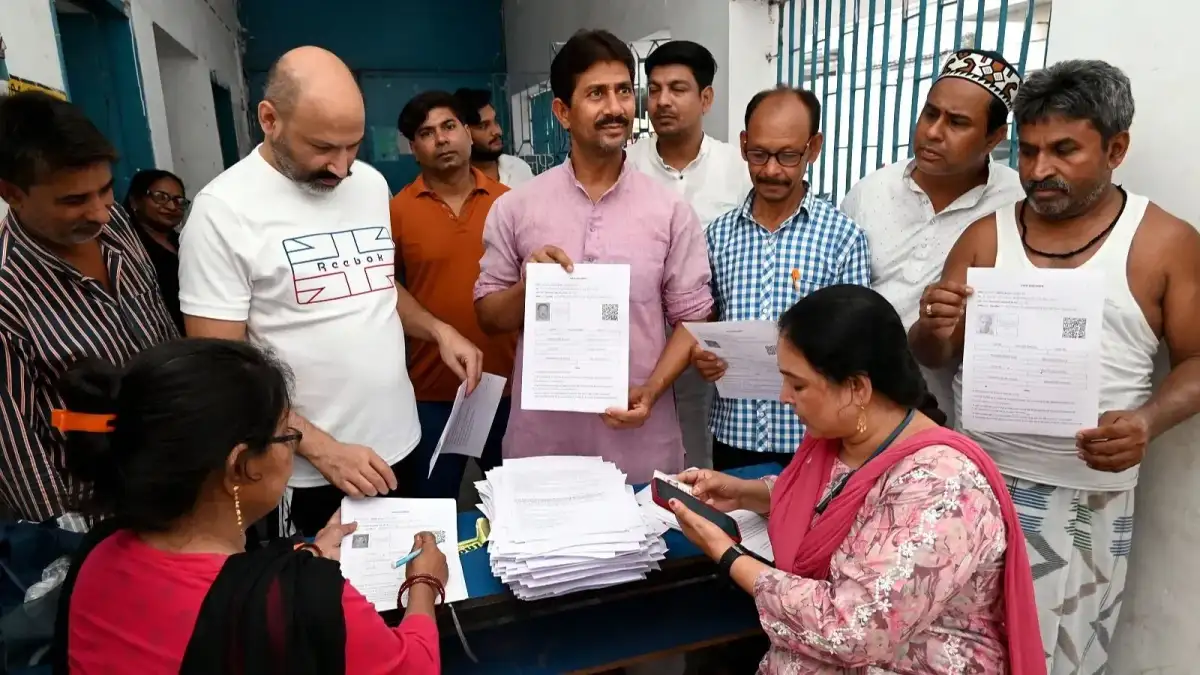
Statistical Discrepancy: The TMC argues that while the aggregate loss margin across the state reached 3.2 million votes, roughly 3.5 million appeals concerning voter deletions remain unresolved.
Adjudication Backlog: Legal representatives noted that in one specific constituency, the loss margin was 862 votes, while over 5,400 deletions are still undergoing tribunal review.
Judicial Directive: The court has declined to intervene directly in the poll results, emphasizing that the established appellate tribunals must process these disputes.
Institutional Context: The SIR Controversy
The Special Intensive Revision was a focal point of political instability in the months preceding the 2026 election cycle. Critics have long alleged that the process was used to prune the electorate, citing a total state voter count shift from approximately 76.6 million to 70.4 million.
| Metric | Details |
|---|---|
| Total Seats | 294 |
| BJP Seats | 207 |
| TMC Seats | 80 |
| Status of Deletions | ~3.5 million appeals pending |
The judiciary's decision to allow fresh filings marks a pivot from its earlier position, where it had deemed similar pleas premature while the electoral process was still underway. By forcing the focus onto specific constituencies through interlocutory applications, the court appears to be narrowing the scope of the legal battle to empirical evidence of voter exclusion affecting specific victory margins.
The ECI maintains that it will defend the integrity of the SIR process, arguing that the existing mechanisms for grievance redressal are sufficient for any legitimate voter whose name was improperly purged. The outcome of these upcoming filings will likely determine if the electoral results in the identified 31 seats face sustained judicial scrutiny.
Read More: Om Birla asks West Bengal MLAs for solutions, not just criticism