Chelsea has officially posted the largest pre-tax loss in English football history, a staggering figure that highlights a deep-seated financial paradox within the club. While the accounts reveal a deficit reaching £355 million for the 2024-25 season, the club maintains compliance with Premier League Profitability and Sustainability Rules (PSR).

The club's reported loss, exceeding €300 million (or approximately £262.4 million according to BBC Sport), represents a significant downturn, placing it at the top of the list for the greatest financial deficits in Premier League history. This marks the fourth time Chelsea has recorded one of the six largest financial losses in the league's annals, following previous deficits of £156m, £155m, and £140m.

Despite the alarming figures, Chelsea insists it has not breached domestic financial regulations. This is attributed to specific accounting methods, including the treatment of past internal asset sales and, notably, the sale of the women's team and club hotels to related entities, which allowed the club to register these transactions as profit for PSR purposes. These tactics, while compliant with league rules, contribute to the stark contrast between reported company accounts and figures submitted to governing bodies.
Read More: Football Clubs Use Home Games and Rival Matches to Avoid Relegation in 2024

Complex Accounting Masks Underlying Issues
The discrepancy between Chelsea's public financial reports and figures submitted to football authorities stems from differing accounting standards. While standard company accounts have no limits on asset write-offs or player value depreciation, the figures presented to governing bodies like UEFA and the Premier League operate under different frameworks. Sources suggest that player value write-offs and other "historic issues" were booked into the same financial reporting period, contributing to the massive pre-tax loss.
Chelsea's revenue, however, has seen an increase, reaching £491 million – the club's second-highest income ever. Broadcast income rose due to a fourth-place Premier League finish and Champions League qualification, alongside slight increases in matchday revenue and significant profits from player sales totaling £58 million. The club also states it remains profitable on an operating basis and denies needing to sell key players to meet regulatory demands.
Read More: Blue Owl Private Credit Sees $5.4 Billion Investor Withdrawals in Q1
Historical Baggage and Future Uncertainties
This financial imbroglio is not entirely new for Chelsea. The club has a history of financial irregularities, leading to past sanctions. Reports indicate a suspended two-year ban on signing first-team players, alongside an immediate nine-month prohibition on registering youth players, were narrowly avoided due to the current ownership proactively disclosing past regulatory breaches.
The long-term contracts handed out to recent high-profile signings, while aiming for future success, also represent a significant financial commitment. The reliance on Champions League football for substantial revenue, highlighted by comparisons between Champions League earnings and those from competitions like the Europa Conference League, underscores the financial pressure to consistently perform at the highest level.
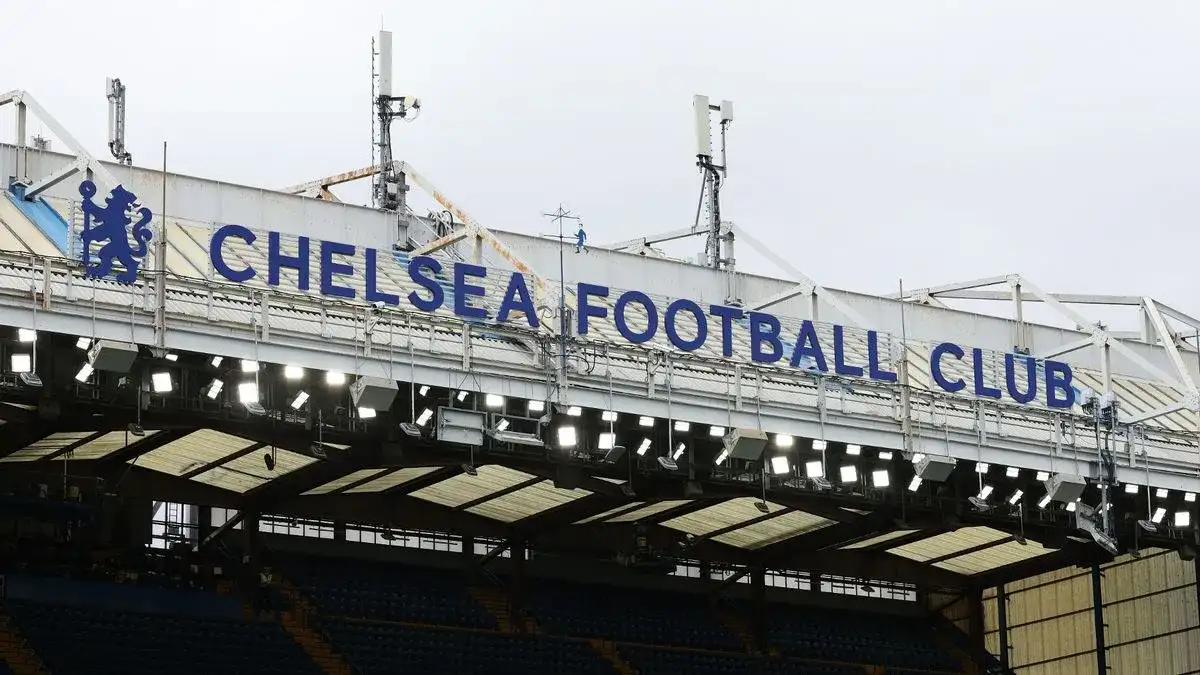
Concerns also linger regarding the club's aging stadium, Stamford Bridge, which may put Chelsea at a disadvantage against rivals with more modern facilities, especially with new Premier League squad-cost ratio rules on the horizon.
Read More: Liverpool Manager Arne Slot Future Uncertain as Xabi Alonso Rumors Grow
The situation presents a complex financial landscape for Chelsea, characterized by record-breaking losses within standard accounting while ostensibly adhering to football's specific financial regulations. The club's strategy appears to involve leveraging accounting rules and strategic asset sales to navigate these rules, a practice that has led to the current historical financial disclosures.