FORTRESS ISLANDS GROW, MILITARY CAPABILITIES INCREASE
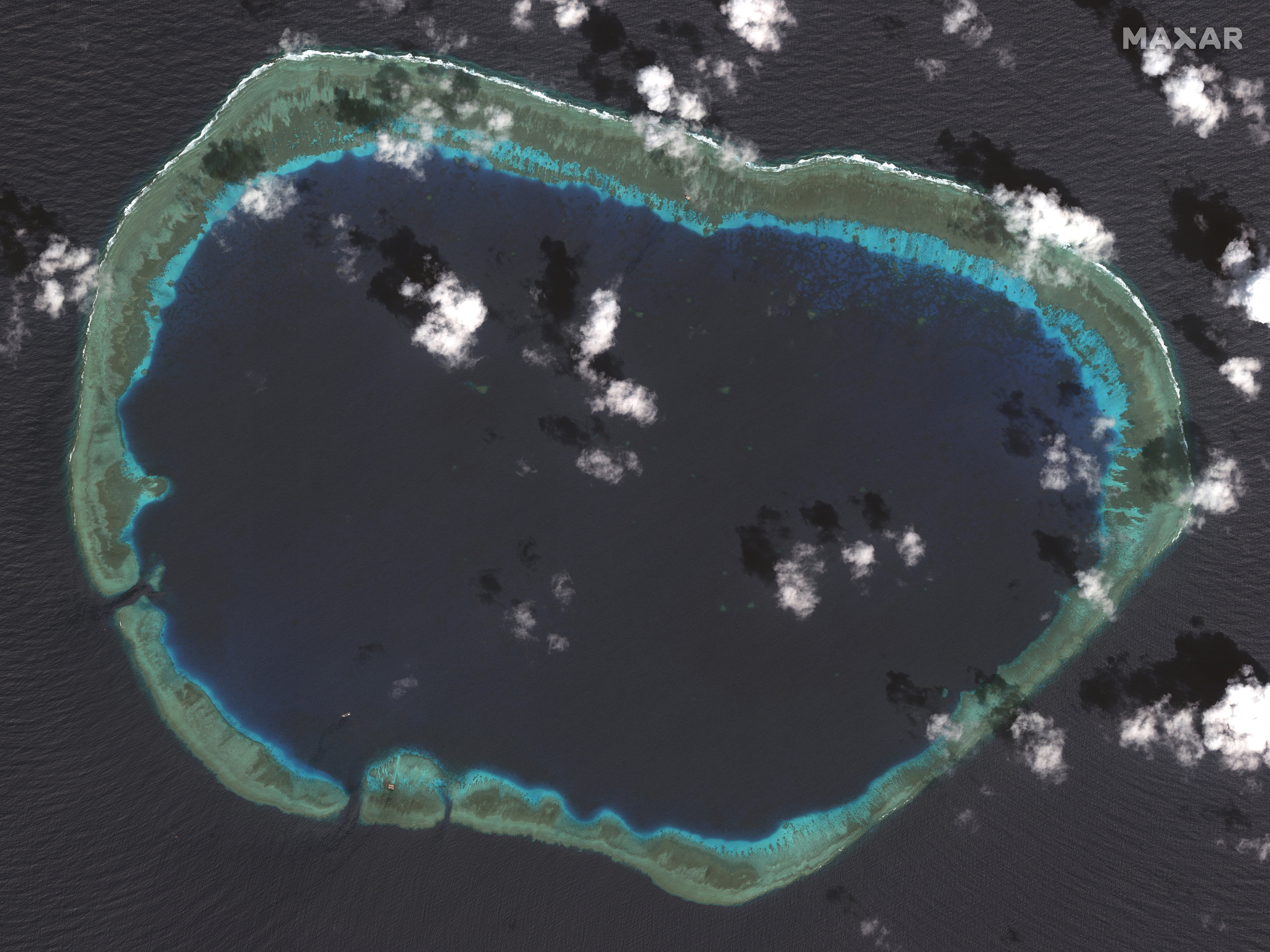
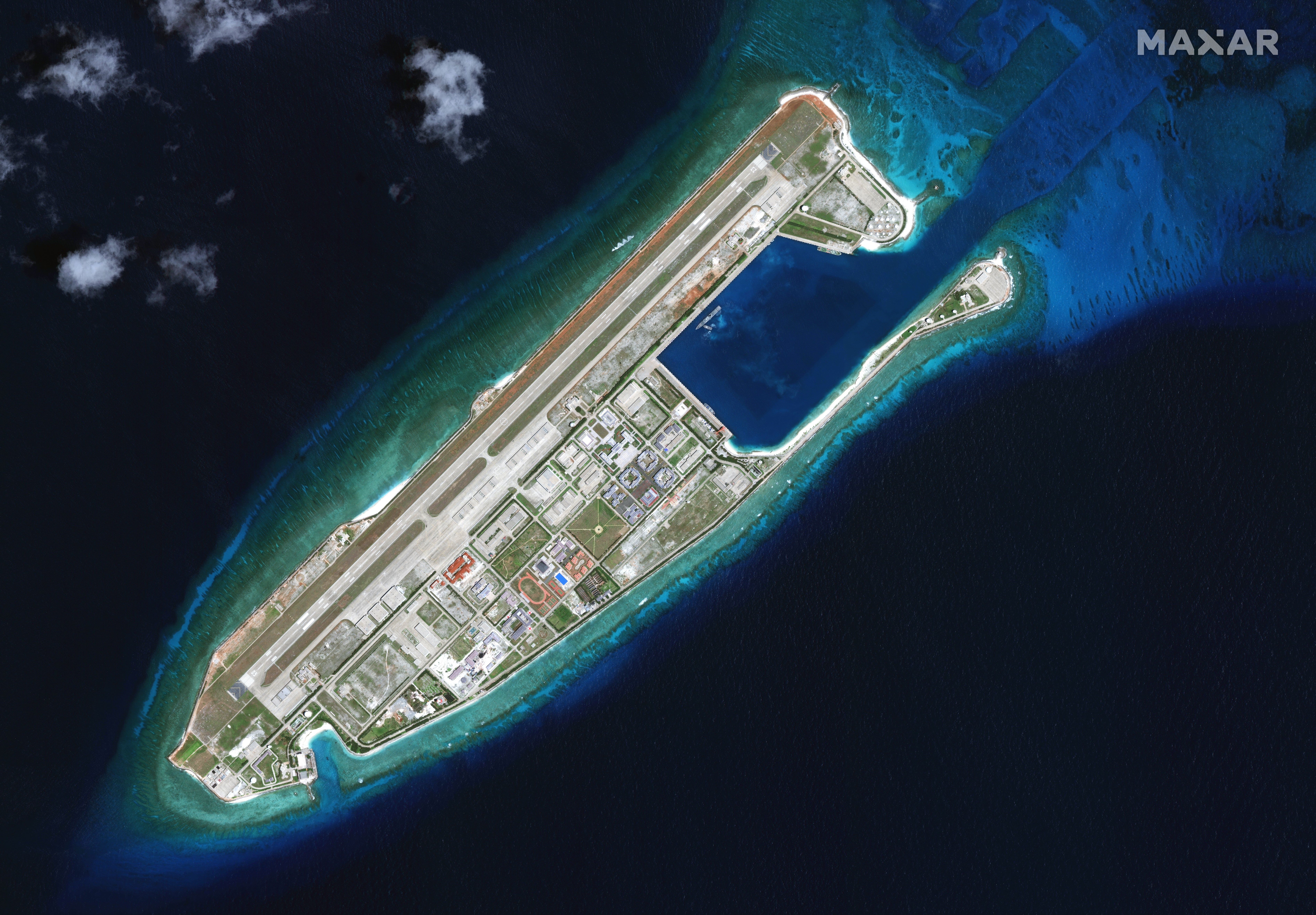
New construction observed at Antelope Reef signals China's ongoing fortification of its positions in the South China Sea, potentially adding another runway and enhanced missile facilities to its already substantial military network. This development, situated relatively near the Chinese mainland, offers Beijing an opportunity to bolster its military presence and possibly augment civilian infrastructure. This move follows extensive dredging and construction efforts, particularly at locations like Fiery Cross Reef, Subi Island, and Mischief Reef, which have collectively transformed submerged areas into extensive military installations.
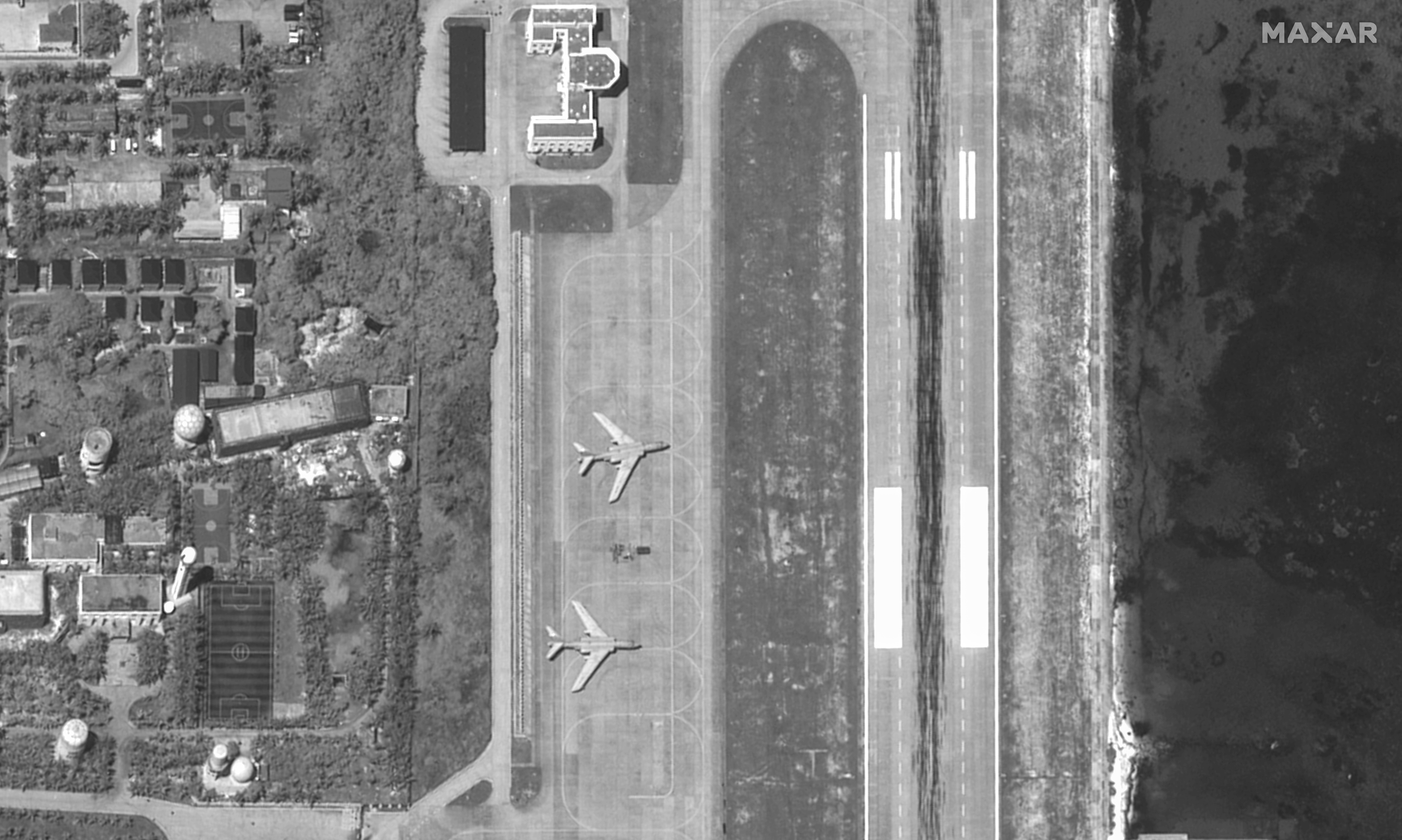
The strategic implications of this expansion are profound. By creating artificial islands and developing them into military bases, China effectively pushes its military perimeter farther from its shores. == This alters the calculus for regional powers and presents a significant challenge to existing military planning and the balance of power in the Indo-Pacific. Recent imagery has confirmed the presence of advanced military hardware, including nuclear-capable H-6K bombers, stationed on these islands, demonstrating a capacity for power projection extending to regions like Australia and affecting U.S. forces stationed in the area.
Read More: US supports Pakistan border strikes against Taliban as of April 2026
ISLAND NETWORKS AND CAPABILITIES
China has reportedly established a network of 26 military bases across the South China Sea islands, encompassing approximately 3,200 hectares. These sites feature extensive infrastructure, including:
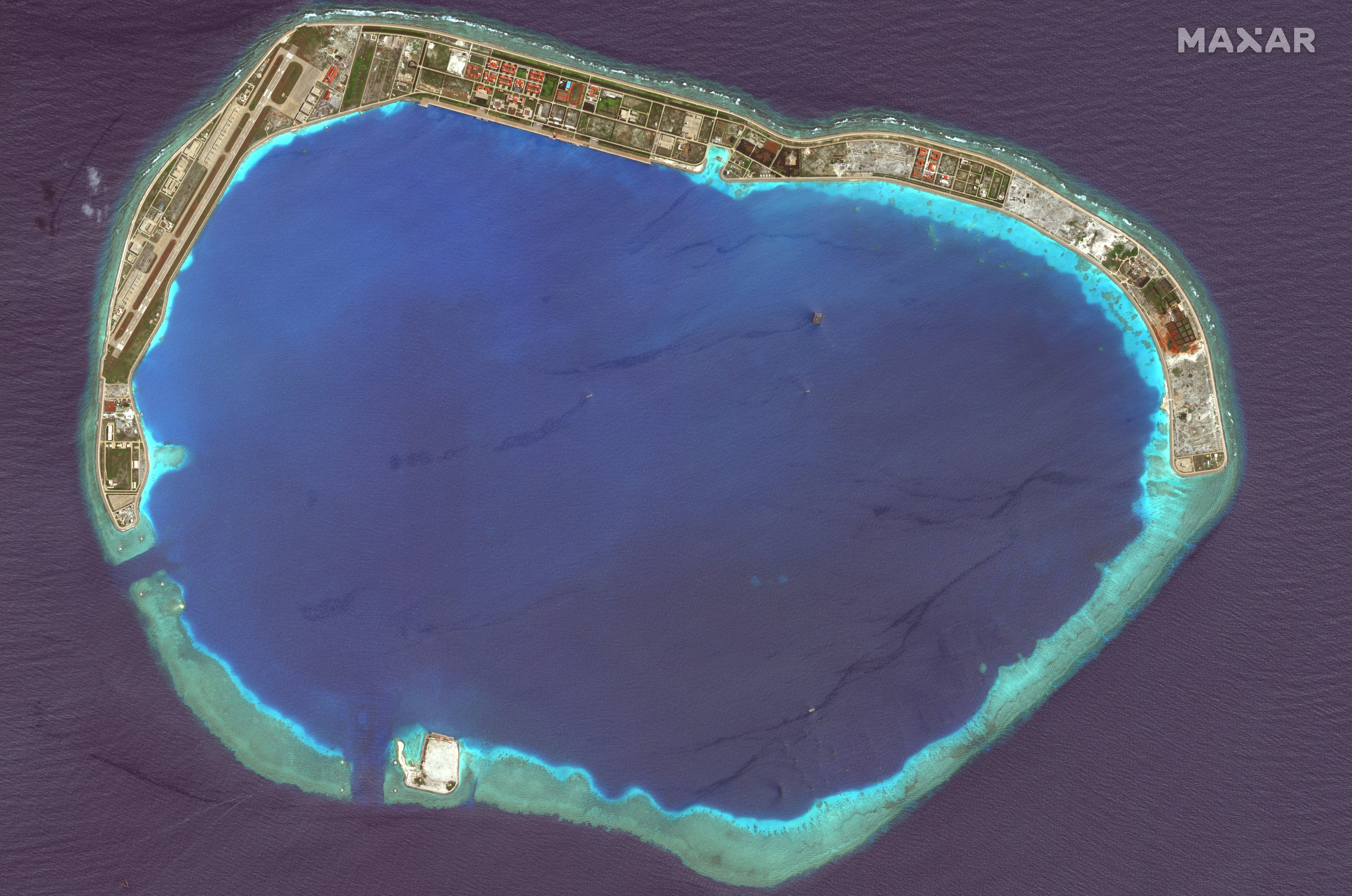
Long runways capable of accommodating advanced aircraft, such as the H-6K bomber and J-20 fighter.
Numerous hangars, with reports indicating over 72 for fighter jets at Mischief Reef.
Sophisticated military systems, including air defense installations, anti-ship missile complexes, and advanced radar and communications facilities.
The scale of this transformation, supported by satellite imagery from entities like the Asia Maritime Transparency Initiative (AMTI), suggests that these positions are viewed by Beijing not merely as defensive outposts but as integral components of its power projection strategy across the broader Indo-Pacific theater.
HISTORICAL CONTEXT AND DISPUTE
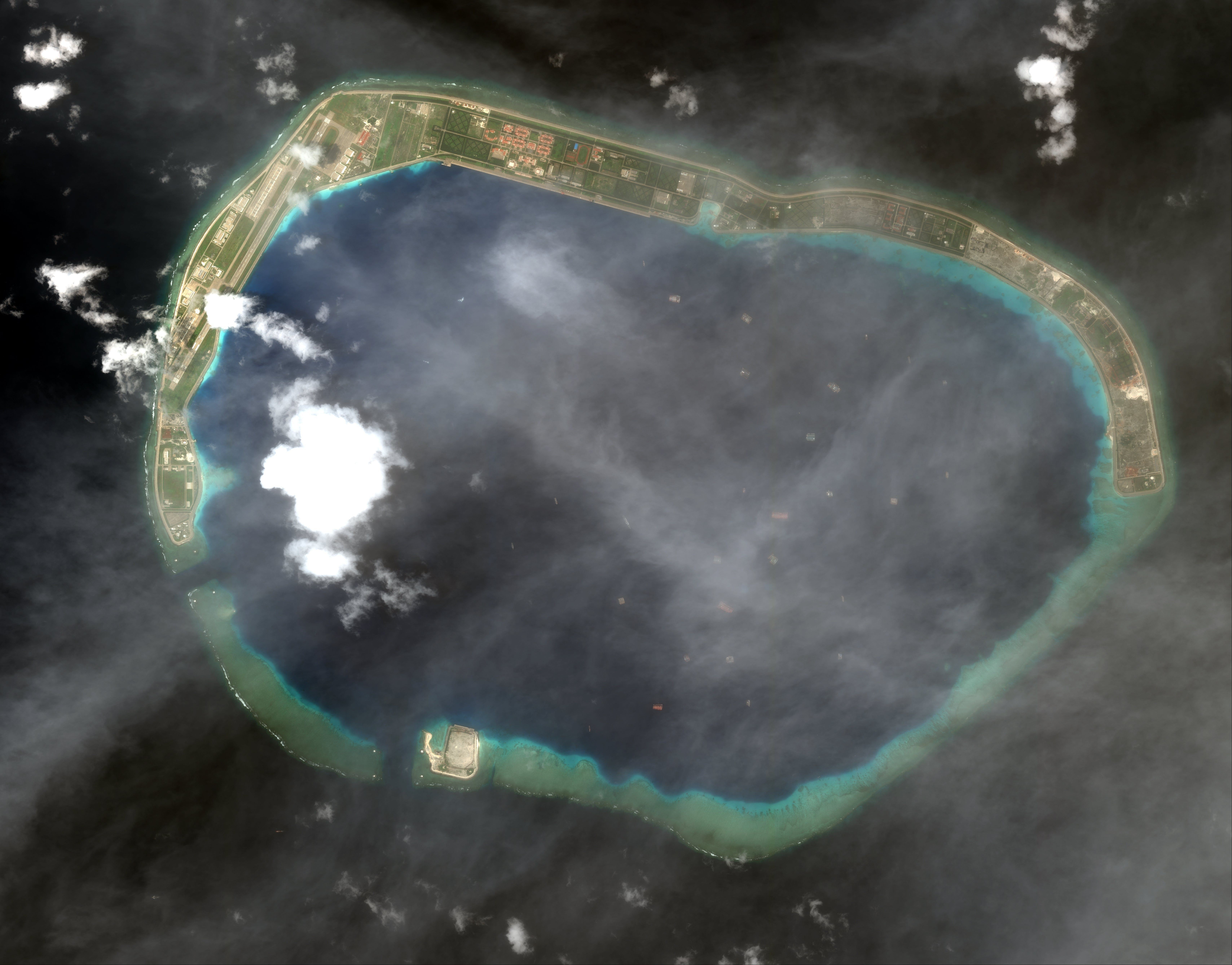
China's assertive stance in the South China Sea is rooted in its claims of historic rights to the region, which overlap significantly with the territorial claims of several neighboring countries. The use of dozens of dredging ships underscores the deliberate and systematic nature of this island-building campaign. This ongoing militarization has escalated tensions, with analysts warning of threats to regional stability, impacting nations including the United States, Australia, Japan, and Vietnam. The development of these fortified island bases represents a significant alteration of the regional power dynamic, a shift that was largely unanticipated even two decades prior.
Read More: Tibetan Permafrost Thaw Releases Ancient Carbon, Risks Climate Tipping Point