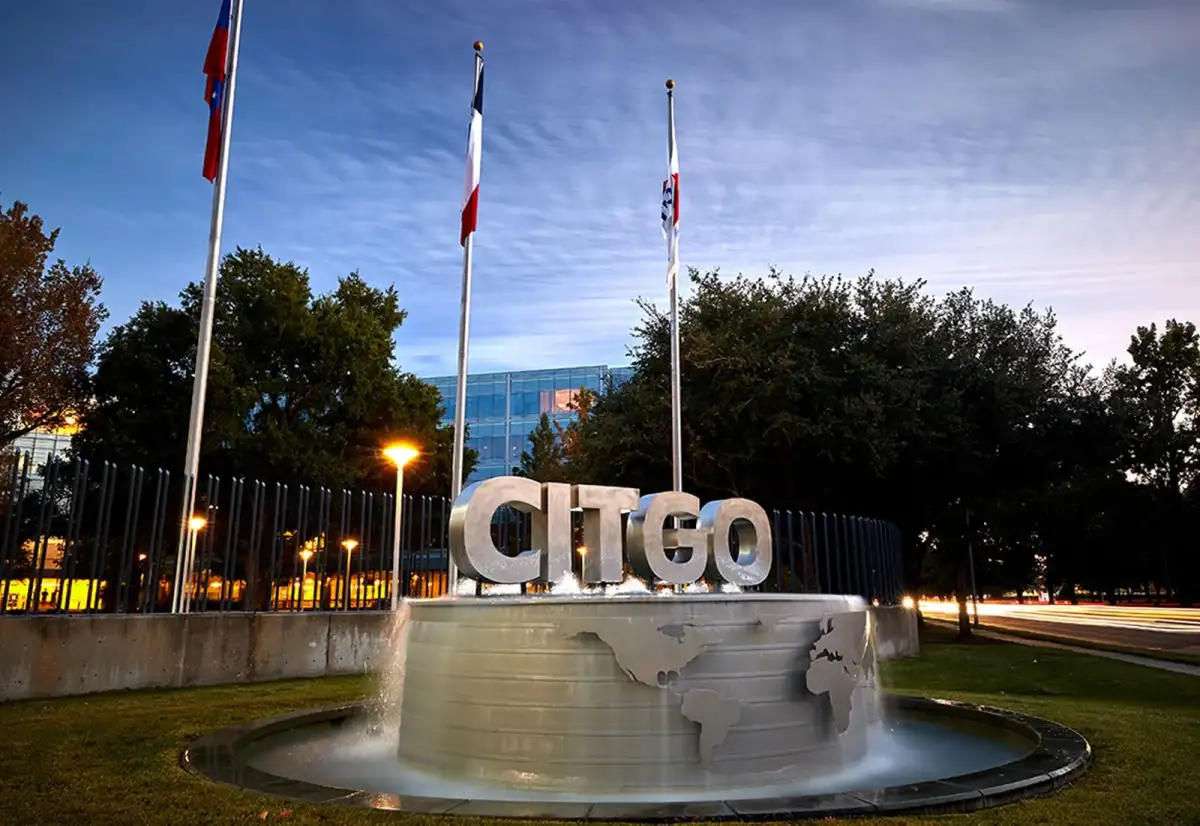
The administrative control of CITGO Petroleum—a subsidiary of the state-run Venezuelan entity PDVSA—faces a pivotal transition as the government of Delcy Rodriguez maneuvers to reclaim oversight of its U.S.-based assets. The ratification of Asdrubal Chavez as chairman of all U.S. subsidiaries signals an attempt by the Rodriguez administration to consolidate power over domestic refining operations, contingent upon approval from the U.S. Treasury’s Office of Foreign Assets Control (OFAC).
Current Strategic Stasis
The transition occurs against a landscape of shifting political recognition and legal pressure. While Washington has recently acknowledged Delcy Rodriguez as the leader of Venezuela, the operational fate of the refineries remains tied to a complex web of sanctions and judicial challenges.

Refining Capacity: The three U.S. refineries (Texas, Louisiana, and Illinois) maintain a total capacity of 829,000 barrels per day.
The Board Slate: Along with Asdrubal Chavez, the board appointments include Nelson Ferrer, Alejandro Escarra, and Ricardo Gomez, all linked to the current Caracas administration.
Regulatory Hurdles: The sale of the firm to the investment group Amber remains contested; PDVSA has filed an appeal citing conflicts of interest, and the final transfer of ownership is currently stalled pending OFAC compliance review.
| Entity | Role | Status |
|---|---|---|
| Asdrubal Chavez | Chairman | Appointed/Pending Approval |
| U.S. Treasury (OFAC) | Regulatory Body | Reviewing Compliance |
| Amber | Potential Buyer | Subject to Appeal |
Institutional Flux and Historical Context
The oscillation of CITGO’s leadership reflects the wider volatility of the Venezuelan state. The firm has cycled through various boards, ranging from those appointed by Hugo Chavez’s administration to subsequent opposition-aligned groups following the collapse of the Maduro government.
Read More: Solaris Energy SEI Stock Price Forecast Reaches $91.98 by July 2027
The current situation marks a recursive turn in the company’s history. Asdrubal Chavez, who served as CEO in 2018—at which time his U.S. visa was revoked—now returns to a corporate structure attempting to regain its footing while balancing creditor lawsuits and long-term energy security mandates.
The interplay between Petroleum interests and Geopolitical Influence remains the core tension. While the Rodriguez government seeks to re-establish a presence in U.S. energy markets, the Regulatory Framework established by Washington creates a bottleneck. For the U.S., the necessity of maintaining Refining Capacity outweighs political preferences; idling the refineries would induce severe supply chain pressures in an already tight global market.
Legal observers note that the Judicial Sale authorized by U.S. courts to satisfy creditors complicates these executive board appointments, creating a scenario where administrative control and ownership rights exist in a state of unresolved Legal Conflict.
Read More: US supports Pakistan border strikes against Taliban as of April 2026