U.S. Navy to Enforce Port Blockade as Diplomatic Efforts Collapse
Washington D.C. – The United States military announced Sunday its intention to swiftly initiate a blockade of ships entering or leaving the Strait of Hormuz. This decisive action follows the breakdown of ceasefire negotiations between the U.S. and Iran, which concluded in Pakistan without a resolution. The naval action is slated to commence Monday.
The U.S. military's declaration of a Strait of Hormuz blockade, effective Monday, signifies a significant escalation in tensions following the failure of U.S.-Iran ceasefire talks. This move directly impacts maritime trade and energy markets.
Oil Prices Surge on Blockade Fears
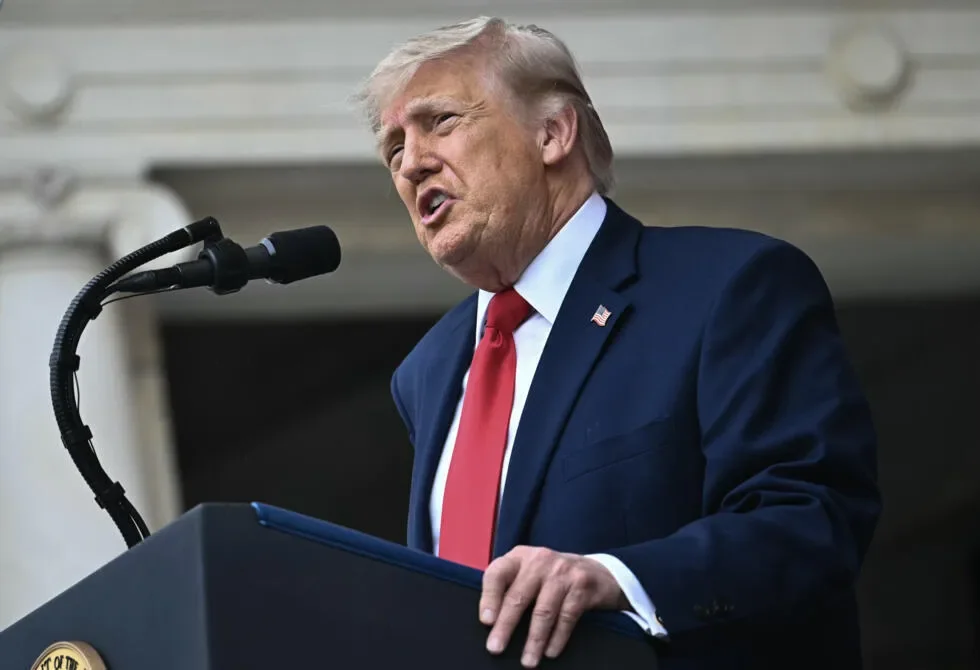
In reaction to the U.S. announcement, oil prices experienced an uptick in early market trading Sunday. The prospect of a blockade affecting shipments from Iranian ports immediately sent ripples through global energy markets, with analysts citing the strait's critical role in oil transport. Details on whether the stalled negotiations will be revisited remain scarce, as President Trump reportedly issued further warnings directed at Iran.
Read More: Iran Warns Gulf States After U.S. Naval Clash
Swalwell Ends Gubernatorial Bid Amid Allegations
Separately, Eric Swalwell has withdrawn his candidacy for Governor of California. The decision comes in the wake of sexual assault allegations, which Swalwell continues to deny.
Broader Geopolitical Landscape
The declaration of a blockade comes amidst a turbulent period, with numerous other events unfolding globally. These include:
Artemis II Mission Success: The Artemis II crew completed their mission with a splashdown in the Pacific, having achieved a record for the farthest human journey from Earth.
Lebanon Conflict and Diplomacy: AP photographers documented intense moments from a deadly day in Lebanon, while reports indicated Israeli Prime Minister's approval of direct talks with Lebanon. Rocket strikes hit Beirut buildings.
Rwanda's Agricultural Challenges: Rwanda is reportedly working to safeguard farmland in a region characterized by high population density.
Venezuela Unrest: Protesters were seen marching towards the Venezuelan presidential palace.
Indonesian Environmental Concerns: Ocean protection initiatives are reportedly clashing with mining interests in Indonesia.
Nuclear Waste Disposal Risks: Finland's plan for burying spent nuclear waste is reportedly not without potential risks for future generations.
Brazilian Amazon Drilling Concerns: Oil drilling in Brazil's Amazon region has drawn apprehension from Indigenous communities.
Afghan War Crimes Allegations: A former Australian soldier faces charges related to alleged war crimes in Afghanistan.
Hungarian Political Shift: Long-serving Prime Minister Viktor Orbán was ousted in Hungary, marking a significant political change with potential international implications.
The decision to blockade Iranian ports underscores the complex and often volatile nature of international relations, with economic and security implications reverberating across global stages.