A series of intense weather events have recently unleashed destruction across parts of India and Pakistan, leaving a trail of damaged infrastructure, disrupted lives, and tragic fatalities. The occurrences, marked by powerful storms and hailstorms, underscore the vulnerability of urban and rural areas to extreme meteorological phenomena.
Devastation Across Districts
On Wednesday, May 22, 2025, a potent storm swept through the Jind and Kaithal districts in India, inflicting considerable damage. Over 1,500 electric poles were toppled, alongside 127 power transformers succumbing to the storm's fury. Hundreds of trees were uprooted, leading to significant losses for the electricity department. A Superintending Engineer in Kaithal described the damage as substantial.
Meanwhile, across the border, Islamabad and Khyber Pakhtunkhwa (KP) in Pakistan faced a 35-minute extreme weather event on April 17, 2025, that caused widespread damage. Videos depicted cars submerged, rooftops destroyed, and floodwaters inundating residential areas. This episode, coupled with incidents in Punjab, resulted in five deaths and nineteen injuries. Fatalities included instances where walls collapsed due to strong winds and lightning, and flash flooding washed away roads in KP.
Read More: Mumbai Red Alert July 2026 Causes School Closures and Train Delays
Wider Disruptions and Climate Concerns
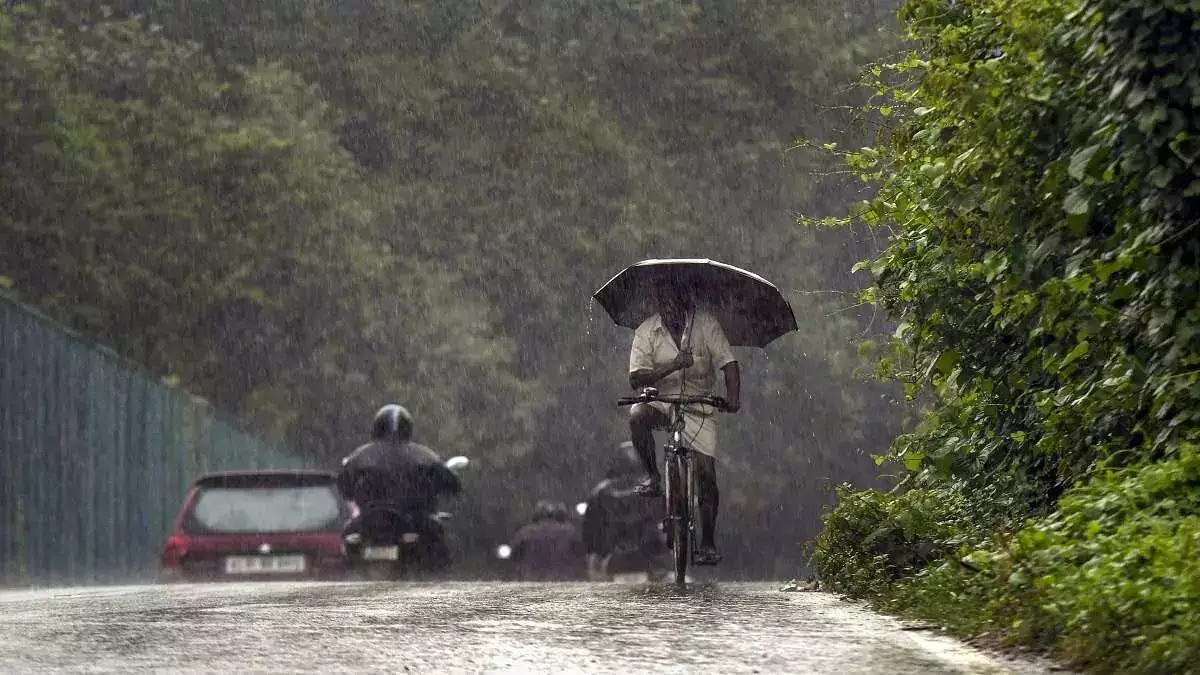
The impact of these storms extended beyond immediate destruction. In India, on May 22, 2025, unseasonal rainfall and hailstorms disrupted daily life in multiple cities, including Mumbai and Delhi. Commuters waded through knee-deep water, with cars stranded and traffic snarled. The Delhi Metro issued advisories regarding potential delays due to debris on tracks.
Senator Sherry Rehman (PPP) of Pakistan drew a connection between these violent weather events and "escalating climate volatility," attributing it to global carbon emissions and fossil fuel dependency.
Contextualizing the Tempest
These recent events are not isolated incidents but part of a broader pattern of increasingly volatile weather. The destruction in India's Jind and Kaithal districts, particularly the damage to electrical infrastructure, points to the challenges in maintaining essential services amidst severe storms. The loss of life and infrastructure in Pakistan's Punjab and KP regions highlights the immediate dangers posed by such extreme weather. The reports from various regions paint a grim picture of unpreparedness and the significant societal costs associated with these meteorological assaults.
Read More: US supports Pakistan border strikes against Taliban as of April 2026