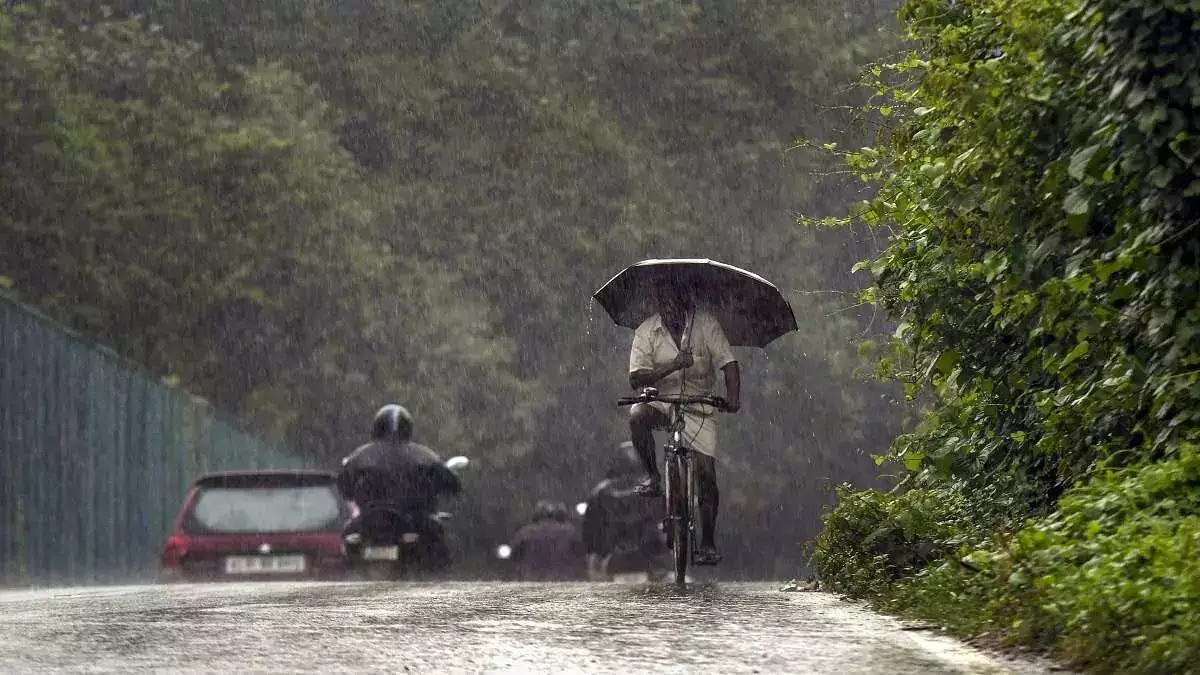
Mysuru residents face an extended period of sweltering conditions as the district continues to grapple with elevated summer temperatures. No immediate relief in the form of significant rainfall is anticipated, with current forecasts indicating a persistence of heatwave-like weather for the coming days. The delay in pre-monsoon showers has exacerbated the situation, pushing temperatures above normal and creating increasingly uncomfortable conditions.
The region has already experienced temperatures reaching 37°C this week, a notable increase from historical averages where summer highs typically hovered around 36°C. Projections from the India Meteorological Department suggest a further rise, with maximum temperatures potentially peaking between 38°C and 39°C during April and June. This intense heat is amplified by dry winds and a perceived loss of green cover, contributing to stifling atmospheric conditions.
The current spell of high temperatures is not entirely unprecedented for the region, as similar conditions, with temperatures frequently touching 39°C, have been observed in recent years. However, the intensity and duration of this heatwave, coupled with the absence of expected seasonal rainfall, are causing significant concern among the populace.
Read More: Mumbai Red Alert July 2026 Causes School Closures and Train Delays
While weather data sources like meteoblue provide real-time satellite imagery for tracking atmospheric conditions, the immediate outlook for Mysuru remains firmly fixed on sustained warmth. The lack of moisture in the air, a recurring theme in recent reports, underscores the persistent dryness contributing to the escalating mercury levels.
This extended period of heat appears to be a continuation of trends observed earlier in the year. An unseasonal heatwave was noted in February 2025, with temperatures exceeding usual maximums even before the traditional summer months. This earlier event, which saw temperatures reach 32.9°C in areas like Kodagu (the 'Kashmir of the South'), was already sparking warnings from experts regarding potential links to broader climate change patterns. At that time, nighttime temperatures also remained unseasonably high, fluctuating between 16°C and 17°C, further disrupting the usual climatic rhythm.
Read More: India IVF Costs And Social Barriers Limit Access In April 2026
Historical Context and Expert Concerns
Historically, Mysuru was known for its comparatively cooler climate. The current trend of rising temperatures and prolonged heatwaves, extending beyond seasonal norms, has prompted warnings from experts about the direct consequences of climate change. The deviation from historical averages, where summer highs were around 36°C, suggests a tangible shift in regional weather patterns.
' heatwave ', ' temperatures ', ' climate change '.