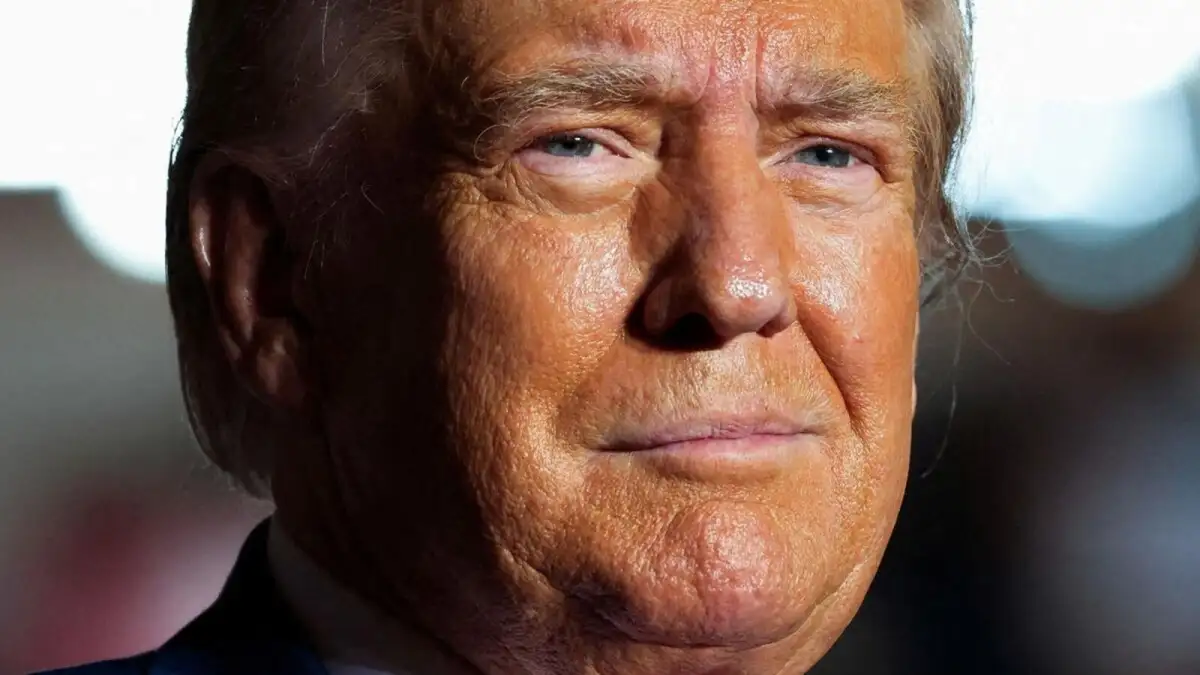
Twenty-three states, along with high-ranking Democratic leadership, have filed a series of lawsuits seeking to invalidate a new executive order signed by President Donald Trump. The order seeks to consolidate federal authority over voter eligibility by tasking the Department of Homeland Security with generating a verified list of citizens eligible to vote in each state, while mandating that the U.S. Postal Service (USPS) limit ballot distribution to names found on these federally managed lists.

The core conflict centers on the constitutional division of power: the federal government asserts authority to secure election integrity, while state attorneys general argue this creates an unconstitutional mandate that interferes with long-standing state administration of electoral processes.

The order directs the Secretary of Homeland Security to cross-reference data from the Social Security Administration to curate voter rolls.
Critics warn the order will force a rushed, error-prone overhaul of state systems ahead of upcoming midterm elections.
The White House characterizes the action as a "lawful effort" to ensure only citizens cast ballots, dismissing legal challenges as politically motivated resistance.
The Mechanism of Disenfranchisement
Opponents of the order argue that federal databases are structurally flawed and that forcing states to rely on them will result in the mass removal of eligible voters. Legal experts noted that previous judicial rulings—such as those by U.S. District Judge Colleen Kollar-Kotelly—have historically signaled that the executive branch lacks the authority to unilaterally alter federal election procedures.
Read More: Taiwan Holds Nantou County Drills to Prepare for State Collapse
| Actor | Stance | Rationale |
|---|---|---|
| Trump Administration | Supports Order | Claims it secures elections and removes non-citizens. |
| Democratic Coalition | Challenges Order | Argues it is unconstitutional and infringes on state sovereignty. |
| Legal Analysts | Skeptical | Cite the Constitution’s explicit granting of election power to states. |
Structural Context: Election Authority
The friction follows the stagnation of the SAVE America Act in Congress, a legislative push by the administration to mandate citizenship proof for registration. Unable to secure a legislative change, the White House has turned to executive action to enforce verification protocols.
Historically, the U.S. Constitution dictates that states determine the "times, places and manner" of congressional elections, though Congress retains a limited right to alter these regulations. The current legal escalation marks a fundamental struggle over whether the federal government or the individual statehouses hold the final, binding word on the mechanics of the vote. For now, the administration maintains that the directive is "foolproof," while a mounting coalition of states prepares for what appears to be a protracted court battle to preserve current mail-in voting frameworks.
Read More: Aboriginal Voters Turned Away From SA Polling Stations on Election Day