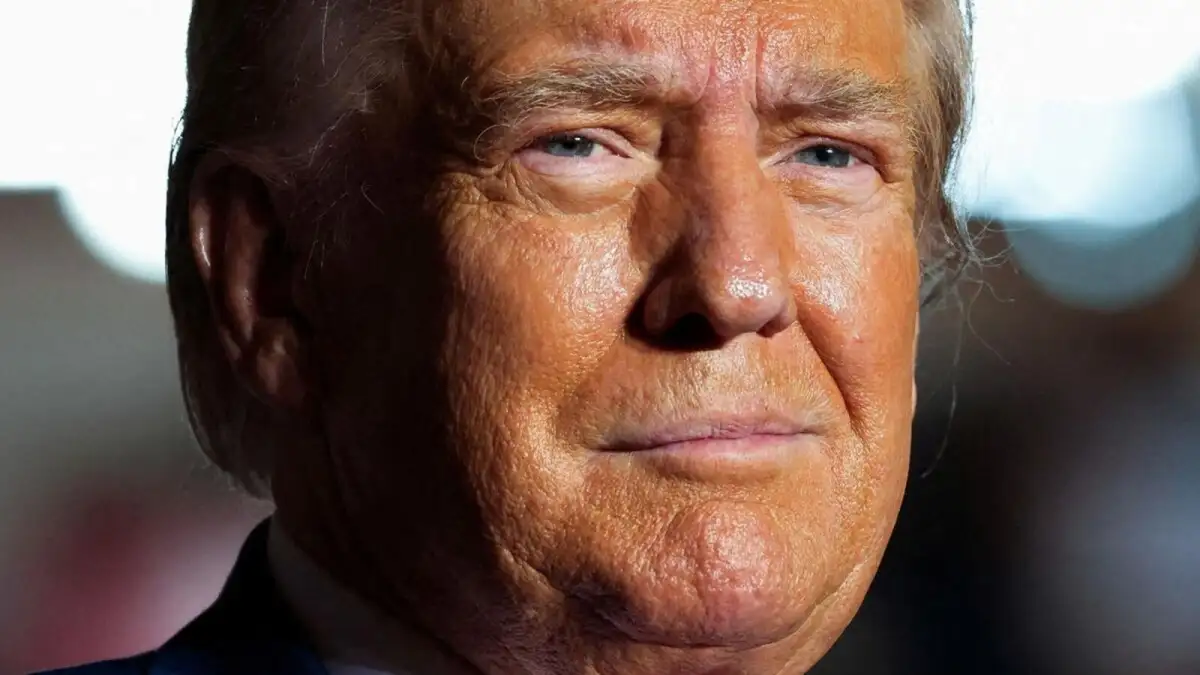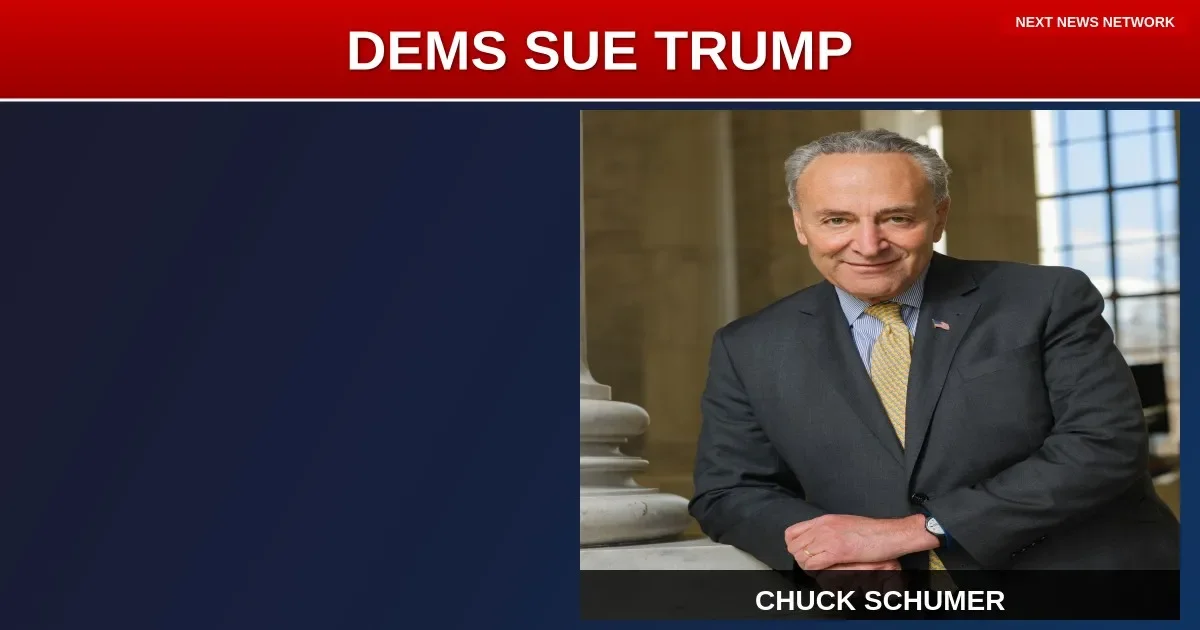
A coalition of Democratic leadership, including Senate Minority Leader Chuck Schumer and House Minority Leader Hakeem Jeffries, alongside the Democratic National Committee, has filed suit against the Trump Administration to halt an executive order targeting federal election procedures. The litigation, centered in the U.S. District Court for the District of Columbia, seeks to enjoin the administration from implementing directives that alter voter registration forms, mandate proof of citizenship, and restrict the processing of mail-in ballots.
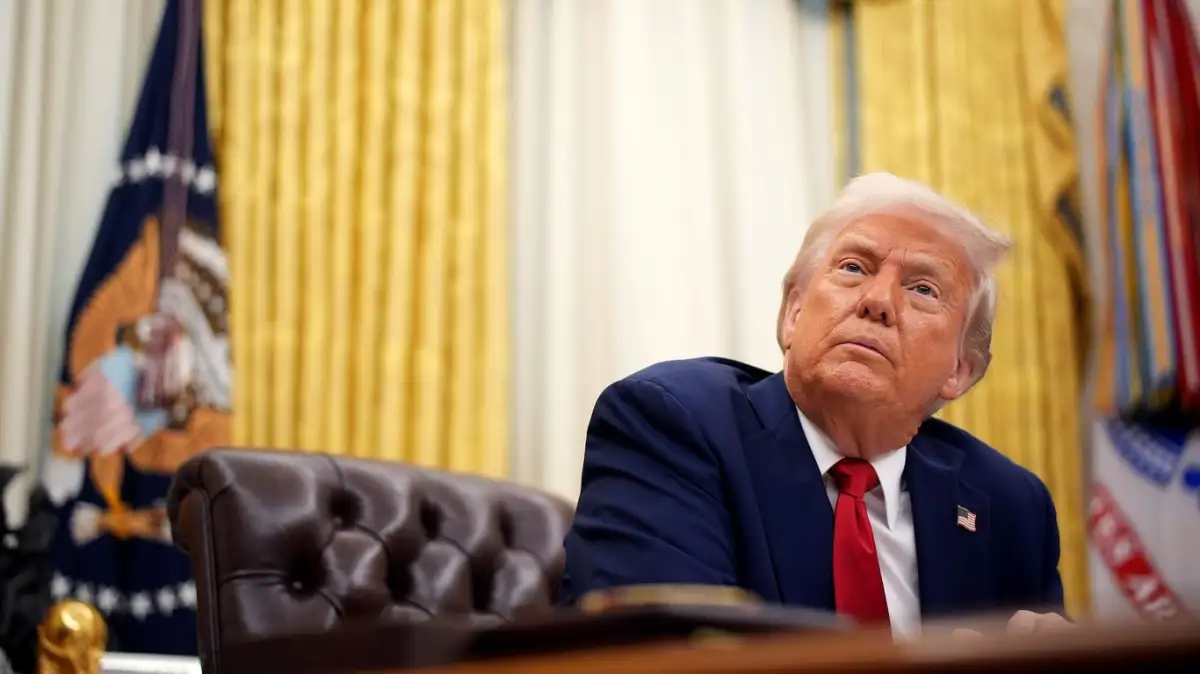
Core Conflict: The struggle concerns federal executive authority versus state-led election management and the procedural integrity of voter registration data.
Procedural Friction and Allegations
The plaintiffs argue the order bypasses congressional authority and weaponizes federal grants to coerce states into compliance. Specific points of contention include:
| Issue | Democratic Allegation | Administrative Stance |
|---|---|---|
| Voter Rolls | Infringement on state privacy | Securing election integrity |
| DOGE Access | Unauthorized data sharing | Efficiency and oversight |
| Mail Ballots | Voter disenfranchisement | Eliminating fraud potential |
Constitutional Reach: Plaintiffs contend that the administration is overstepping, specifically regarding the independence of the Election Assistance Commission.
The DOGE Factor: The inclusion of the Department of Government Efficiency as a recipient of voter registration data has become a flashpoint, with critics citing potential for data misuse without voter consent.
Grant Leverage: The administration's threat to withhold federal funding from states that fail to implement the requested verification changes is characterized by the opposition as a "cudgel" against local administration.
Framing the Institutional Response
The executive branch defends the move as an essential endeavor to safeguard the ballot. White House representatives frame the opposition's actions as a dismissal of basic verification standards. Conversely, the lawsuit alleges the order constitutes a structural attack on the machinery of the democratic system, arguing that requirements—such as strict citizenship proofing—will inevitably result in the disenfranchisement of legitimate voters, including military families stationed abroad.
Read More: Taiwan Holds Nantou County Drills to Prepare for State Collapse
Background on the Current Climate
The discord stems from long-standing election administration tensions exacerbated by the transition to mass mail-in voting during the 2020 pandemic period. While supporters of the order point to a need for increased voter security to address public distrust, opponents argue that the sudden nature of the executive directives disrupts the reliable function of state election boards, leaving insufficient time for administrative adjustment before the next election cycle. A district court judge has already moved to block specific components of the order, signaling a prolonged legal entanglement over the reach of presidential power in the administrative oversight of the vote.
Read More: Aboriginal Voters Turned Away From SA Polling Stations on Election Day