A chorus of dissent is rising against the Telangana government's ambitious plans for the Musi River, with a prominent governance watchdog urging a stark prioritization of ecological restoration over spiritual constructions. The Forum for Good Governance (FGG) has formally objected to proposals for building religious structures along the Musi riverbanks, asserting that the 'cleaning and rejuvenation' of the polluted waterway must precede any such edifices. This stance is amplified by concerns regarding the river's current state, described as resembling a drain, choked by encroachment and industrial waste, rendering its waters toxic to life.

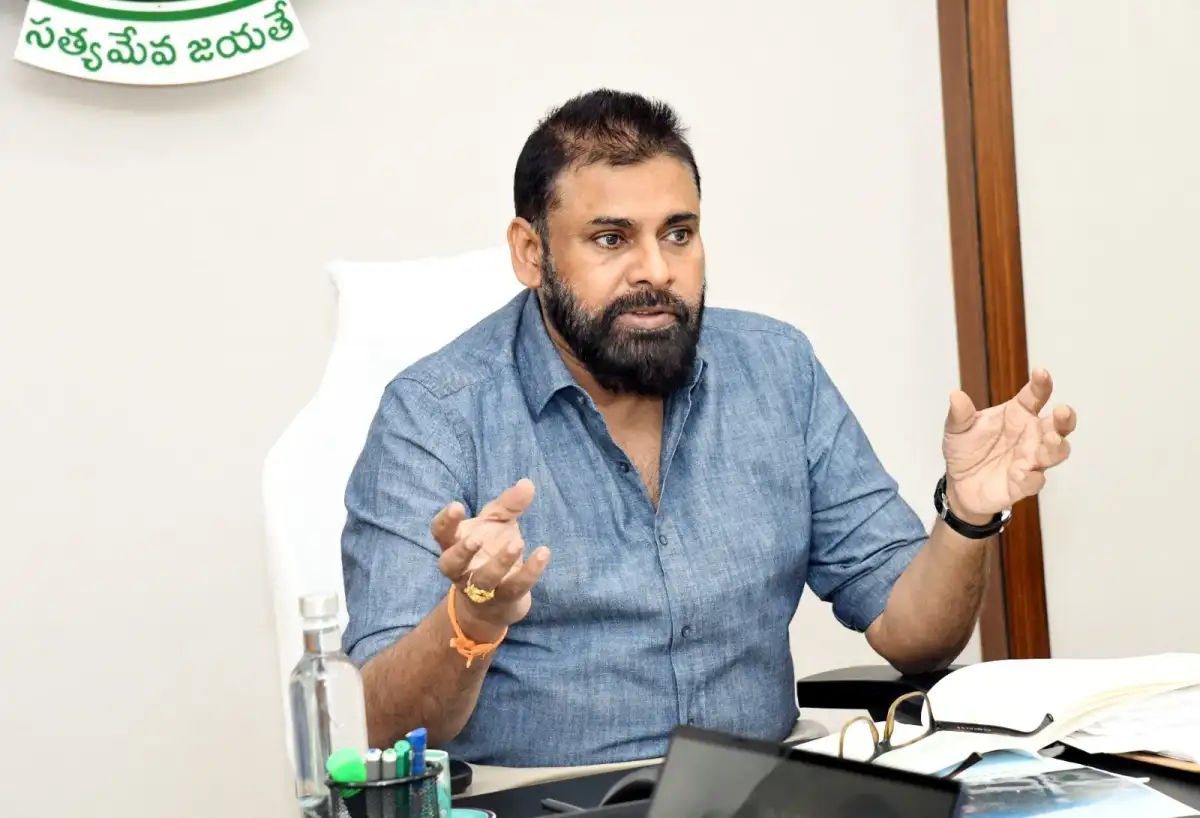
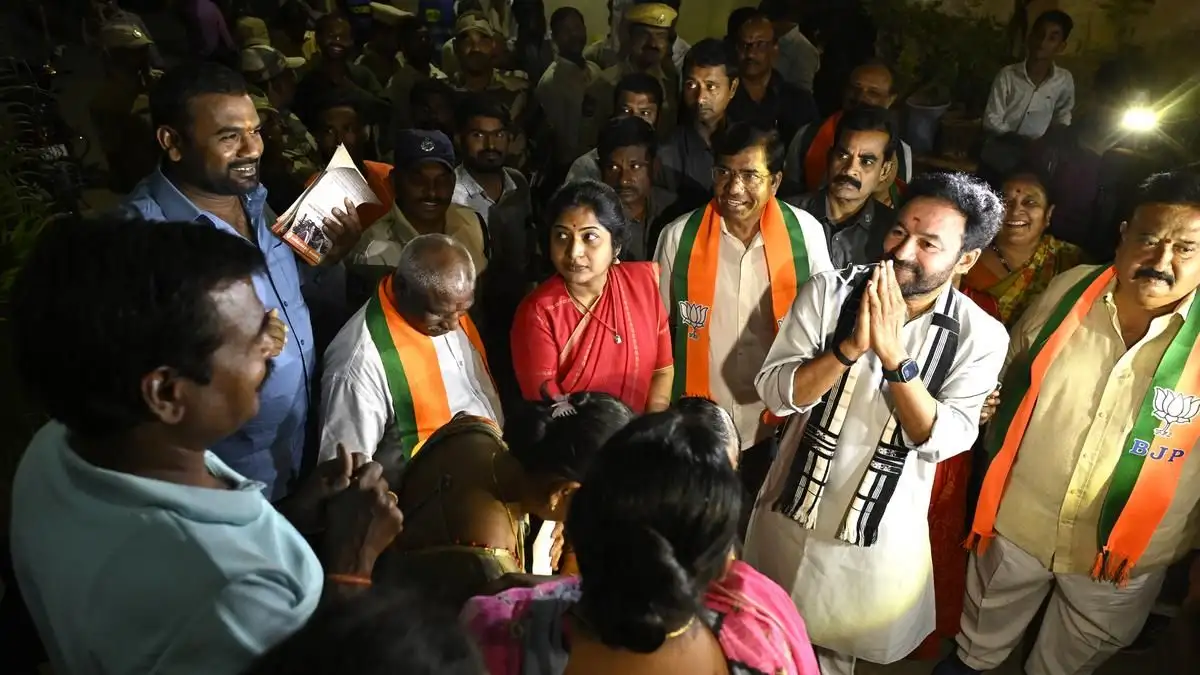
The central contention revolves around the government's intent to proceed with constructing a Shiva statue and other places of worship along the Musi before initiating substantive cleanup operations. The FGG president, M Padmanabha Reddy, has articulated that this sequence is "not justified," given the river's dire condition. This position is echoed by broader civic and activist groups who question the underlying development philosophy, suggesting a potential skew towards real estate and symbolic projects over genuine environmental remediation and the welfare of riparian communities.
Read More: Amazon Land Use Changes Cause Disease Clusters in Brazil
Rituals and Rejuvenation: A Question of Priorities
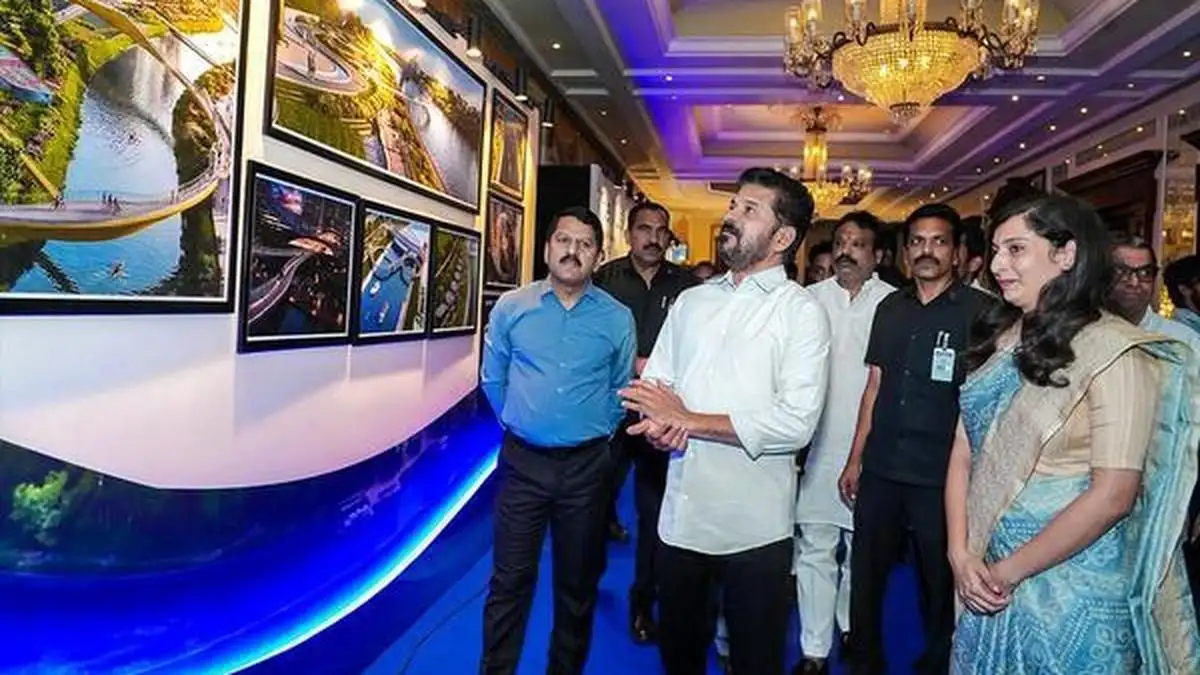
The Telangana Chief Minister, A Revanth Reddy, has championed the 'Musi River Front Development Project', envisioning a transformation into a vibrant urban space with attractions like theme parks and educational facilities. He has also spoken of building religious structures for four faiths along the river, aiming to reflect religious harmony. However, this vision faces significant headwinds. The FGG, a long-standing critic of perceived governmental inefficiencies and wasteful spending, points to past failures in Musi cleanup efforts, despite considerable investment. They allege that the river remains one of the most polluted stretches in the country, burdened by untreated sewage and industrial effluents.
Voices of Concern and Displacement
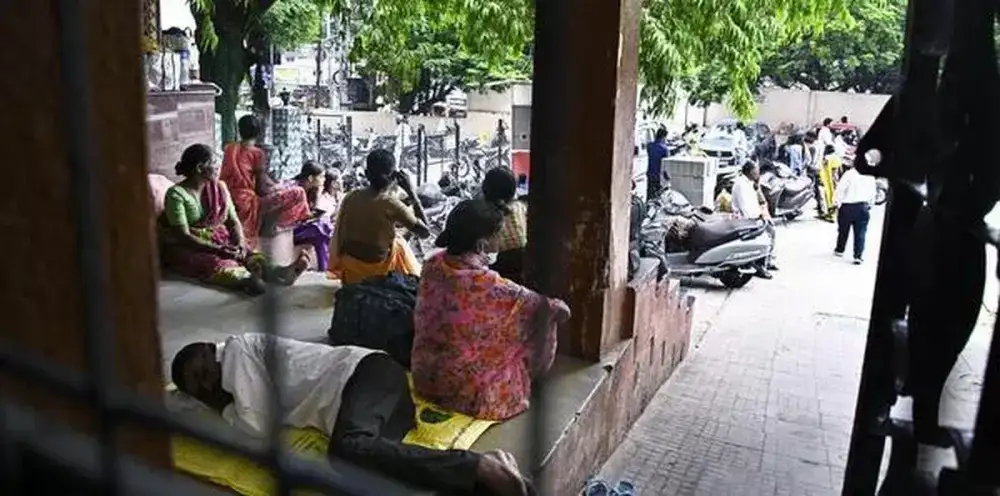
Beyond the FGG, a broader spectrum of voices, including social activist Medha Patkar and the Musi Jan Andolan (MJA), have raised alarm bells. Their primary concern centers on the project's human cost, highlighting the potential displacement of thousands of families. Patkar has specifically called for the halt of the project's Detailed Project Report (DPR) unveiling, arguing that it proceeds without adequate democratic participation, bypassing consultations with affected communities and environmental experts. The exemption of the project from mandatory Social Impact Assessment (SIA) is also a point of contention, with critics arguing that it undermines due process and disregards the lived realities of those impacted.
Read More: Telangana cancer data move, but treatment places lack staff
Development Frameworks Under Scrutiny
The government's approach to the Musi project, largely framed as a Public-Private Partnership (PPP) in its initial phase, is also being dissected. Concerns have been raised about the scale of land acquisition involved, unprecedented for riverfront projects. Activists advocate for a focus on controlling industrial pollution as the primary driver of river rejuvenation, rather than mass evictions. The creation of a cabinet sub-committee on Musi rejuvenation, and assurances of rehabilitation for the displaced, have been noted, yet skepticism persists regarding the transparency and participatory nature of the ongoing development plans.
Background: A Polluted Legacy
The Musi River, once a vital water source, has long suffered from neglect and unchecked pollution. Drains carrying untreated sewage and industrial effluents have severely degraded its water quality, impacting both aquatic ecosystems and human health. Previous attempts at cleaning the river have yielded limited results, leading to a recurring cycle of proposals and critiques. The current government's emphasis on large-scale development, coupled with spiritual constructions, has reignited debates about whether the project prioritizes ecological health, community welfare, or broader urban beautification and commercial interests. The entanglement of Hussain Sagar lake's cleanup with the Musi's rejuvenation further complicates the picture, with activist groups highlighting the flow of pollutants from the lake into the river system.
Read More: Kanyakumari Atomic Mining Permit Extended for 1144 Hectares in 2026