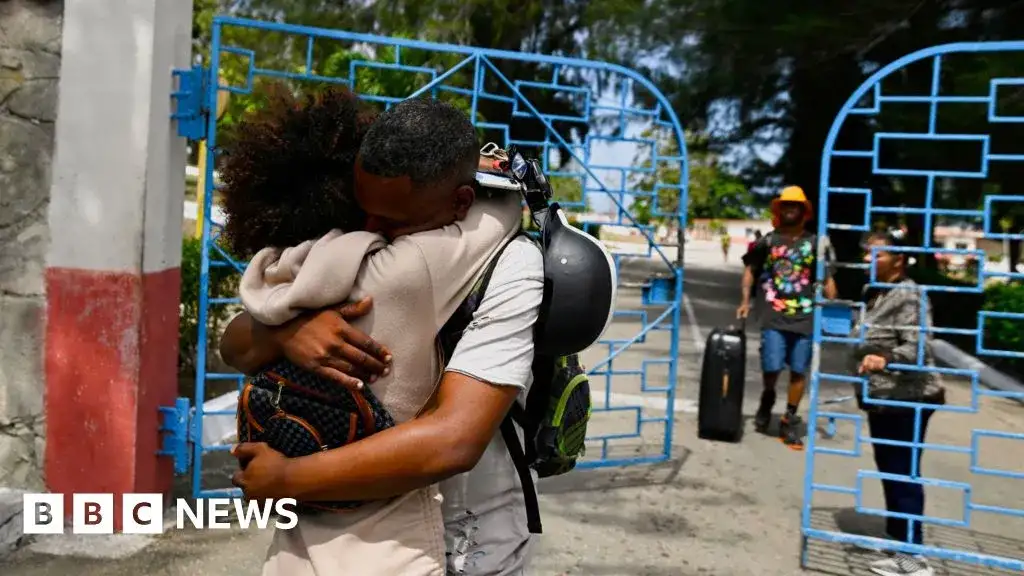
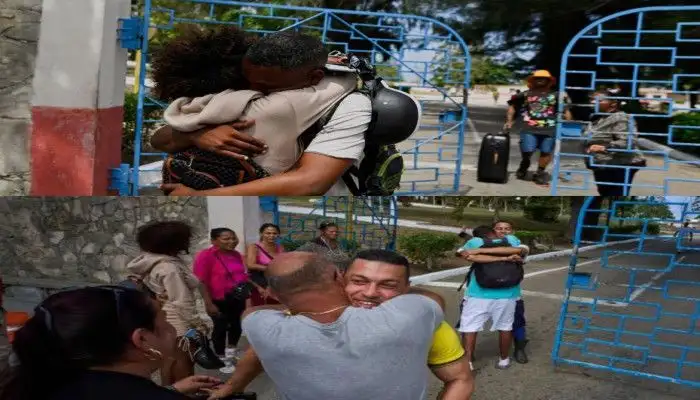
Havana is undertaking a significant prisoner release, announcing the pardon of over 2,000 inmates. This move, described by officials as a humanitarian gesture timed around Holy Week, occurs as the United States maintains pressure on the Cuban government. Reports indicate that prisons across Cuba, including those near Havana, have commenced freeing individuals. The releases are being closely observed by human rights organizations and the U.S. government, who are questioning the composition of those being set free.
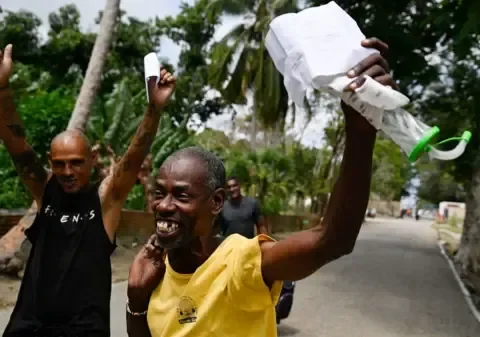
While Cuban authorities have consistently denied holding 'political prisoners', past releases, such as the 51 individuals freed in March under an agreement with the Vatican, included individuals considered political by rights groups. The current wave of releases is no different, with some freed individuals identified by rights advocates as fitting their definition of political prisoners, while others do not. The scope of these releases, particularly concerning whether all or a majority of those categorized as political prisoners are included, is seen as potentially significant in ongoing bilateral discussions.
Read More: Taiwan Holds Nantou County Drills to Prepare for State Collapse
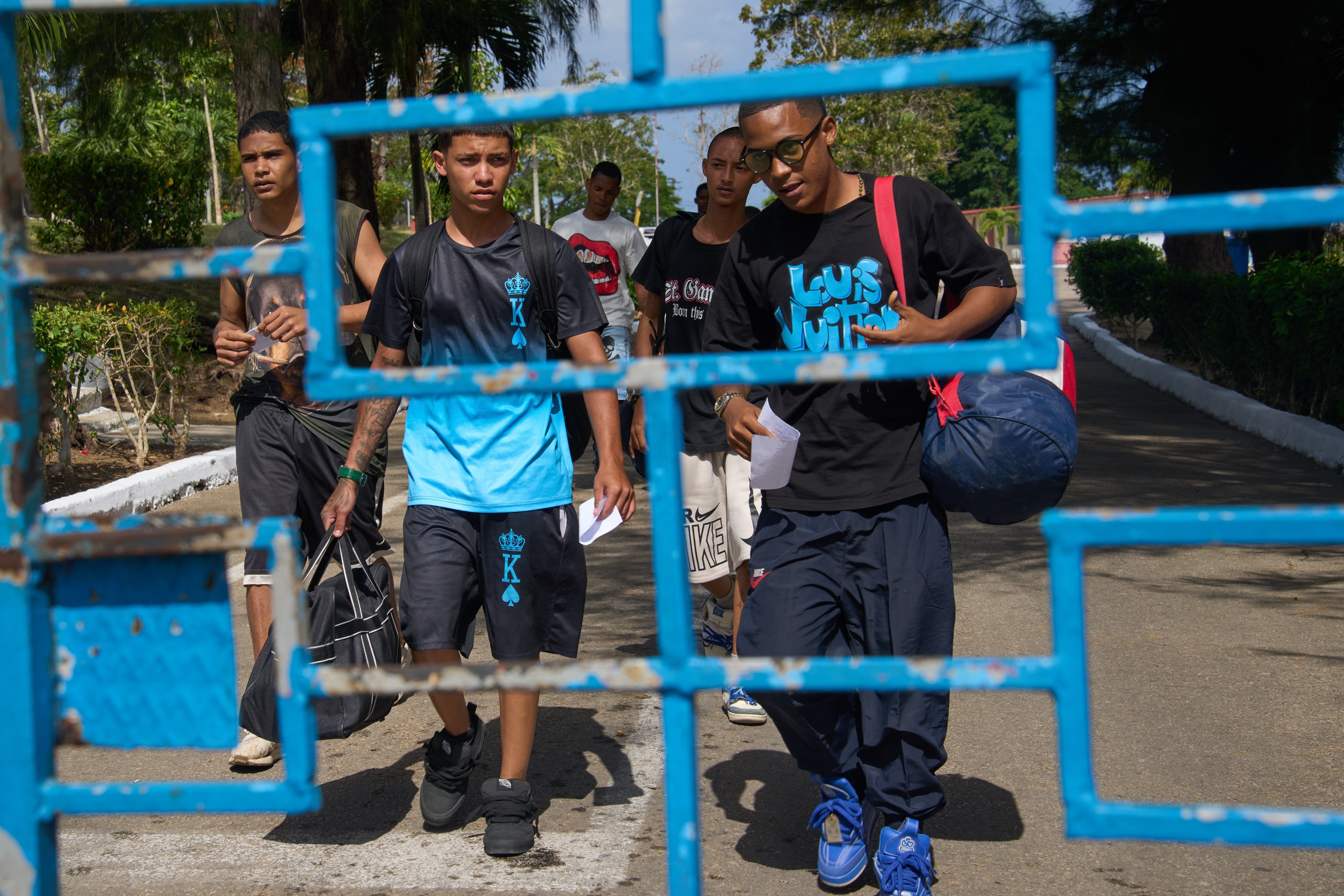
The government has stated that those being released do not include individuals convicted of serious crimes such as murder, sexual assault, drug offenses, theft, illegal slaughter of livestock, or crimes against authority. This announcement comes as Cuba faces heightened pressure from the U.S., with recent events including the U.S. stopping preferential oil shipments from Venezuela and threatening tariffs on nations supplying oil to the island. Russia has also indicated it will send a second oil tanker to Cuba.
The releases have prompted varied reactions. While some freed individuals and their families celebrate their reunion, human rights groups are demanding greater clarity and transparency from the Cuban government regarding the criteria for selection and the overall number of individuals considered political prisoners who have been released. The government’s narrative of releasing prisoners periodically during significant moments, coupled with its ongoing denial of political prisoner status, continues to fuel disagreement and uncertainty between Havana and international observers.
Read More: House Votes to Limit President's War Power on Iran
Background Context
Cuba's approach to prisoner releases has historically been to grant large-scale pardons at what it deems significant junctures. This latest action follows a similar pattern. The United States, through figures like U.S. Secretary of State Marco Rubio, a vocal critic of the Cuban government, has maintained a critical stance and is closely monitoring whether the releases align with U.S. expectations, particularly regarding individuals it designates as political prisoners. The U.S. has also impacted Cuba's energy supply chain through its actions concerning Venezuela, exacerbating an existing energy crisis on the island.