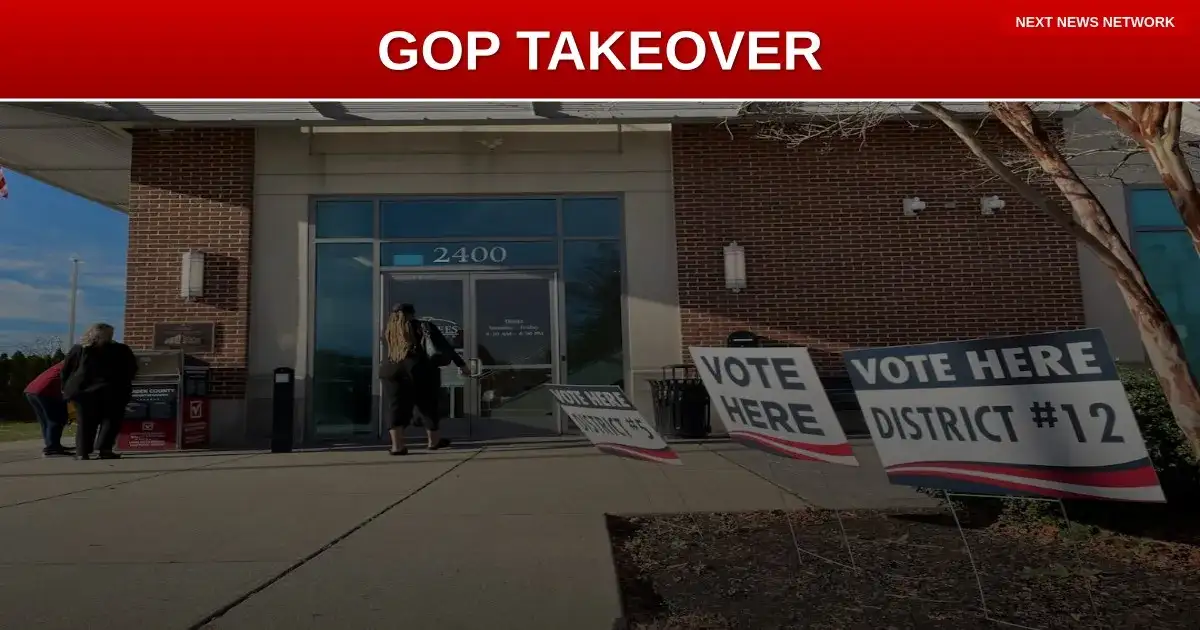
In recent Democratic congressional primaries, external organizations have spent more than the candidates themselves, a trend that has escalated concerns about transparency and the integrity of voter choice. This financial surge, particularly evident in the initial rounds of midterm contests, has led to a situation where candidates are often overshadowed by the financial power of groups not directly accountable to them.
Campaign Airwaves Dominated by External Spending
The narrative of these primaries is increasingly being written by third-party groups. Organizations linked to prominent lobbying interests, such as the American Israel Public Affairs Committee (AIPAC), as well as entities focused on newer sectors like cryptocurrency and artificial intelligence, have commanded significant attention on airwaves. This phenomenon leaves the actual candidates sidelined in their own electoral battles, struggling to communicate their messages amidst a deluge of externally funded advertisements.
Read More: Eric Swalwell California Governor Campaign Hit by Sexual Assault Claims
Progressive Pushback Against "Dark Money"
A faction within the Democratic party is advocating for a formal stance against financial backing from "dark-money" groups. These are super PACs that do not disclose their donors, a lack of transparency that critics argue distorts the political landscape. Progressives are pushing for official party platforms that would reject funding from such sources, aiming to sever ties with financial mechanisms that obscure the origins of campaign support.
The Paradox of Democratic Funding
There appears to be a discernible incongruity at play. While many prominent Democrats have publicly decried the pervasive influence of large sums of money in politics, particularly when it originates from opaque sources, party-aligned operations and allied external groups continue to utilize these very mechanisms when deemed strategically advantageous. This reliance on what some label "secret money" creates a tension between public rhetoric and operational reality within the party.
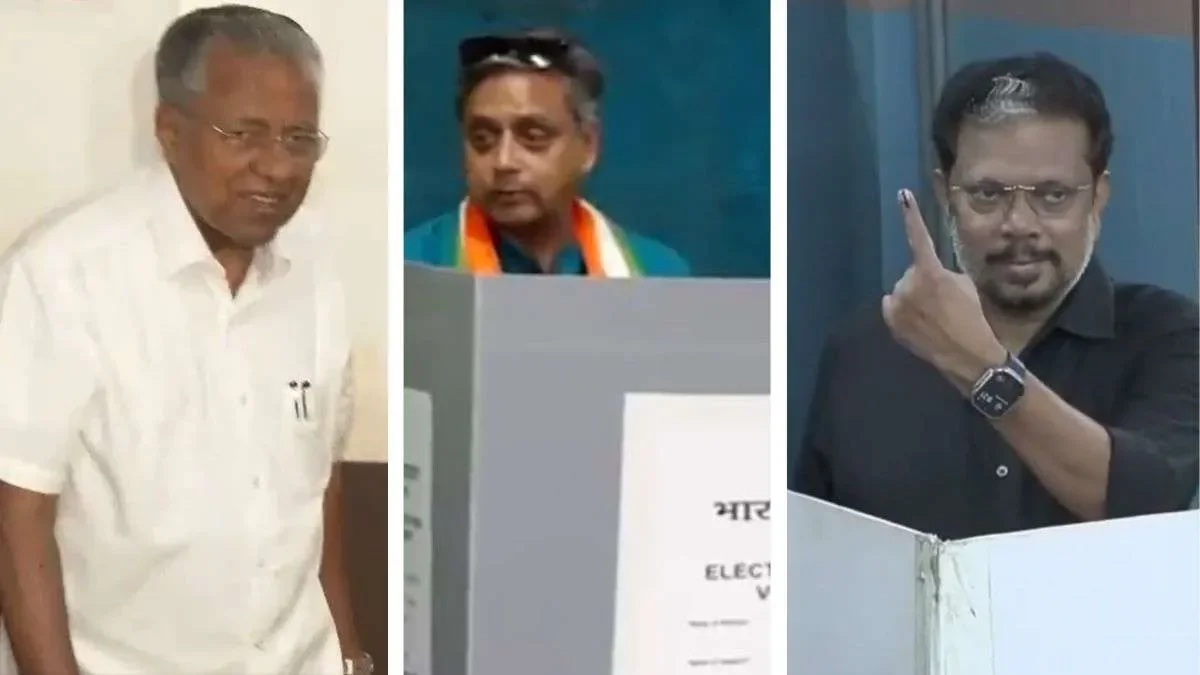
Read More: Kerala, Assam, Puducherry Assembly Elections See High Voter Turnout
Broader Financial Trends
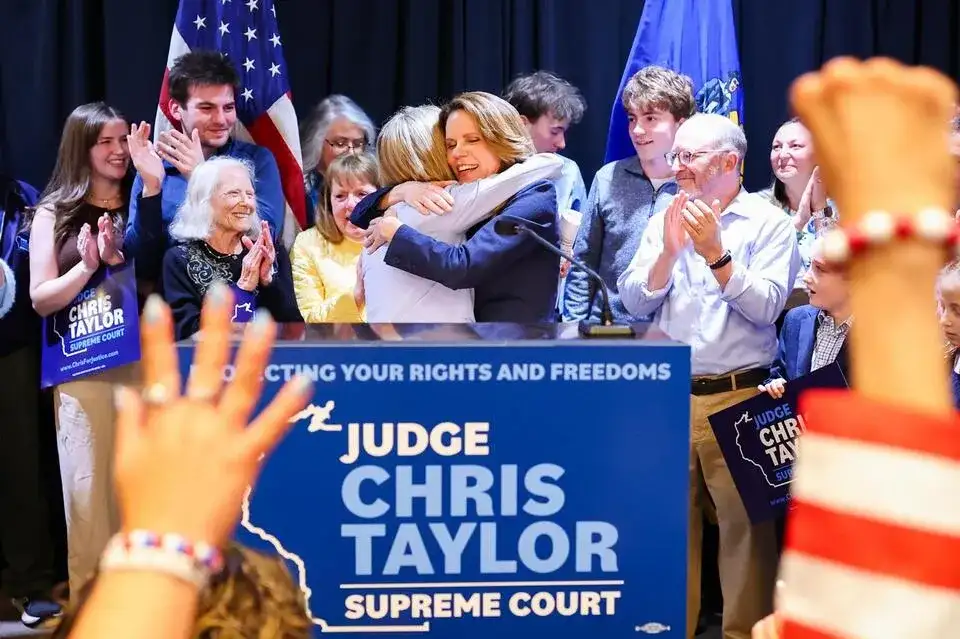
Looking at the wider political finance picture, fundraising has been robust across the spectrum. Some Democratic candidates have demonstrated significant fundraising prowess, outraising incumbents in certain races. Simultaneously, Republican groups and committees have also reported strong financial performances. This points to a broader trend of substantial financial engagement in the electoral process, with external spending playing a notable role across party lines.
Background
The increasing influence of outside spending in political campaigns, particularly in primaries, raises questions about the equitable distribution of influence and the ability of voters to make informed decisions. The reliance on super PACs and other ostensibly independent expenditure groups, especially those that do not disclose their donors, has been a recurring point of contention in American politics for years. This dynamic has become particularly acute in intra-party contests where the ideological leanings and specific policy platforms of candidates can be obscured by the messaging of well-funded external actors.