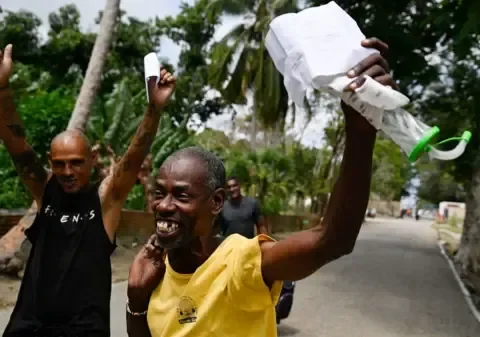
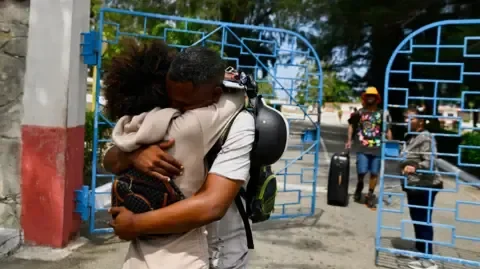
HAVANA – Cuba has initiated the release of over 2,000 prisoners, a move framed by Havana as a "humanitarian and sovereign gesture." This action unfolds against a backdrop of escalating economic strain, directly linked to United States pressure and persistent fuel shortages plaguing the island. The announcement marks the second such release this year, occurring during the Holy Week period, which Cuban officials note is a customary time for such commutations.
The core of this situation appears to be Cuba’s response to intensified US actions aimed at forcing economic and political reforms. The US, under President Donald Trump, has specifically targeted Cuba’s energy supply, threatening tariffs on nations that send oil to the island. This, coupled with prior disruptions stemming from US actions in Venezuela, has exacerbated an existing energy crisis, leading to widespread blackouts and deepening economic hardship.
Read More: Taiwan Holds Nantou County Drills to Prepare for State Collapse

Those slated for release reportedly include a range of individuals: young people, women, those over 60, and foreign nationals, as well as Cuban citizens residing abroad who were imprisoned on the island. However, official statements indicate that individuals convicted of serious offenses such as murder, sexual assault, drug trafficking, theft, and crimes against authority are not included in this pardon. An activist group, Prisoners Defended, claims that a significant portion of those incarcerated are held for political reasons.

The release also coincides with recent developments in Cuba’s energy situation. Russia has reportedly dispatched a second oil tanker, carrying enough fuel to sustain the island's economy for a few weeks. This comes after earlier shipments, including one last week, signaling an attempt to circumvent US restrictions. The US, meanwhile, has pressured countries like Mexico to halt oil shipments, as part of a broader strategy to constrict the island's energy sources.
Read More: House Votes to Limit President's War Power on Iran

This latest prisoner release follows a pattern initiated earlier this year. President Trump had previously rescinded a deal that would have led to a prisoner release, prompting Cuba to pause its efforts before completing a portion of the intended pardons. The current administration’s stance, articulated by figures like Secretary of State Marco Rubio, emphasizes the need for Cuba to dismantle its centralized economy. The White House has also signaled a potential shift in focus towards Cuba, following recent geopolitical events elsewhere.