London – Sir Keir Starmer has publicly denounced what he termed "disgraceful" assaults directed at the police force in relation to the ongoing Henry Nowak case. This strong condemnation arrives as the Labour leader navigates a deeply fractured party, facing persistent calls for his resignation and a significant reshuffle within his top ranks.
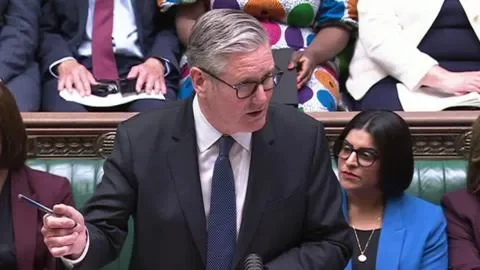
The police force has become a focal point of public and political ire, with Starmer asserting that the scrutiny has crossed an unacceptable line. The exact nature of these "attacks" and the specific instances that prompted Starmer's strong reaction remain a subject of intense political discourse. His comments underscore a broader tension between governmental oversight and the operational independence of law enforcement agencies, particularly when dealing with high-profile and sensitive investigations.
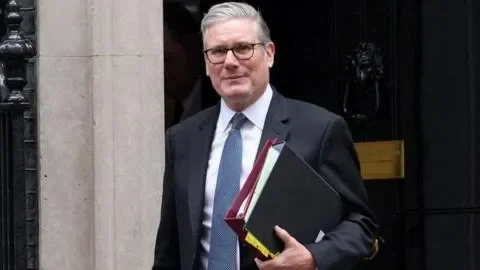
Internal Party Pressure Mounts
The recent resignation of Wes Streeting, formerly the Health Secretary, has amplified the pressure on Starmer's leadership. Streeting’s departure, citing a loss of confidence in Starmer's ability to lead the Labour Party into the next general election, has emboldened critics. His resignation, coupled with that of four other government members including Health Minister Zubir Ahmed, signals a widening rift within the party leadership. Scores of Labour MPs are reportedly urging Starmer to step down, a sentiment echoed by nearly 90 MPs who have publicly called for his immediate resignation or a clear exit timeline.
Read More: Taiwan Holds Nantou County Drills to Prepare for State Collapse
Several prominent figures are being discussed as potential successors. Streeting himself is considered a contender, alongside former Deputy Prime Minister Angela Rayner. Another name surfacing is Andy Burnham, the Mayor of Greater Manchester, who is seeking to re-enter Parliament via a by-election in Makerfield. The Labour leadership has indicated it will not obstruct Burnham's candidacy, a move that could significantly alter the landscape of the party’s future leadership.
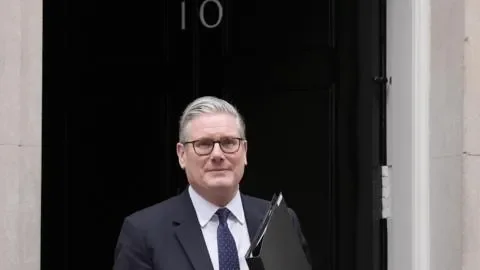
However, this internal dissent is met with counter-movements. Downing Street has suggested that any leadership contest would "plunge the country into chaos," a sentiment echoed by Chancellor Rachel Reeves. This narrative aims to frame the calls for Starmer's removal as destabilizing, especially in the context of the King's Speech, which outlined several key legislative proposals, including plans for digital IDs, the nationalization of British Steel, and reforms to the NHS and policing.
Read More: Pressure Washer Mistakes Cost UK Owners More Money
Shifting Political Tides
The current political climate is characterized by significant upheaval. The series of resignations and public dissent within the Labour Party follow what has been described as a "disastrous set of elections" for the party. This electoral setback has seemingly galvanized opposition to Starmer's leadership, creating a challenging environment for his administration. The strategic withdrawal of Labour MP Josh Simons to trigger a by-election for Burnham’s potential return to Parliament highlights a calculated effort by factions within the party to effect change from within. While no formal leadership challenge has yet been mounted, the groundwork appears to be laid for a potential contest.
Background: A Party at a Crossroads
The internal strife within the Labour Party is not an isolated incident but appears to be a culmination of electoral disappointments and a perceived lack of clear direction. The resignations, including junior ministers like Jess Phillips, Alex Davies-Jones, and Miatta Fahnbulleh, coupled with the departure of ministerial aides, paint a picture of a party struggling with internal cohesion. The sheer volume of MPs publicly expressing dissatisfaction, juxtaposed with those publicly supporting Starmer or deeming the present moment unsuitable for a leadership contest, underscores the deep divisions that currently define the Labour Party.
Read More: FBI Analysts Review Georgia 2020 Election Data in Fulton County