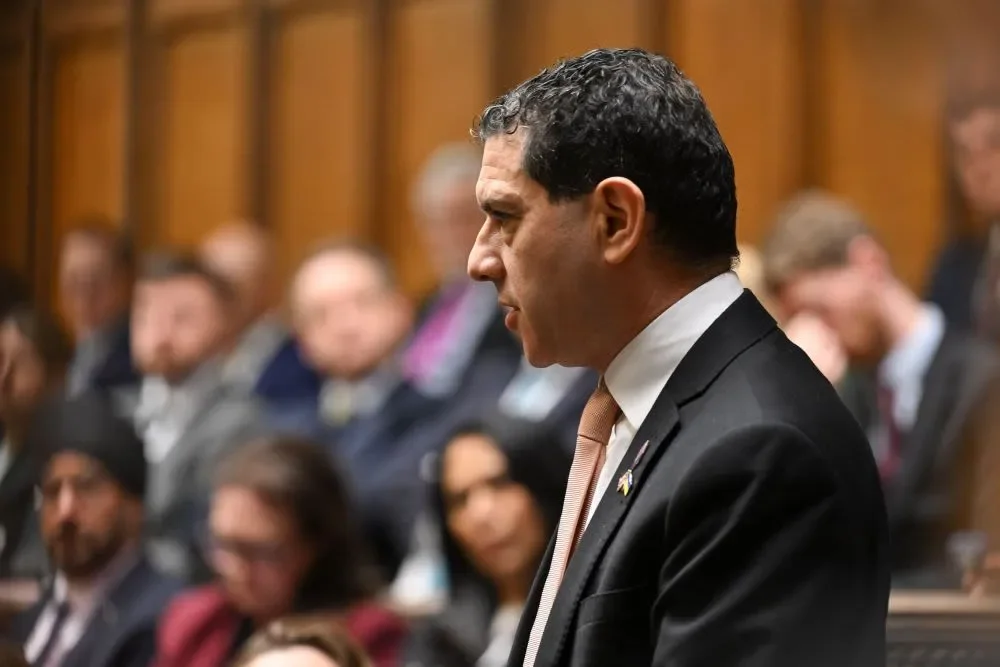
Leeds Central MP Alex Sobel is spearheading a parliamentary push to introduce limits on domestic political donations, a move seen as potentially hobbling Reform UK's fundraising capacity. This initiative follows recent government actions to cap overseas donations and ban cryptocurrency contributions, measures framed as safeguards for British democracy against foreign influence and "dark money."

The core of the current parliamentary debate centres on the potential for a cap on individual donors within the UK, a proposal championed by Labour MPs, which stands in contrast to existing regulations that place no restrictions on the sum UK-based individuals or organisations can contribute to political parties.
The push comes as:
New legislation, the Representation of the People Bill, is already being amended to introduce a £100,000 cap on donations from overseas electors and an immediate ban on cryptocurrency donations. These measures, announced by Communities Secretary Steve Reed, are aimed at preventing "malign actors" from funneling untraceable funds into the political process.
Labour MPs express delight at the prospect of curtailing Reform UK's access to significant funding, particularly from donors like Christopher Harborne, who is reportedly based in Thailand. The timing of these proposed changes is viewed by some as a politically strategic move to level the playing field.
Concerns are raised by some that potential loopholes exist. For instance, Ben Delo, a billionaire co-founder of BitMEX, has reportedly stated his intention to move back to the UK from Hong Kong to bypass new international donation rules, signalling a potential for wealthy individuals to adapt and circumvent restrictions.
Proposed amendments to the Representation of the People Bill, if successful, would aim to exclude donations from organisations that lack democratic internal structures. This clarification is particularly relevant to traditional Labour donors like trade unions, which are often composed of multiple individual contributions rather than a single entity's direct funding.
Potential Impact and Background
The proposed cap on individual domestic donations is not without its complexities. Sobel's proposed cap, as reported, would only apply to individual donors, explicitly excluding collective organisations such as trade unions, a significant funding source for the Labour party. Some reports suggest that individuals who might be impacted by such a cap have already considered ways to circumvent it, including returning to the UK to continue donating, as noted in the case of Ben Delo.
Read More: Taiwan Holds Nantou County Drills to Prepare for State Collapse
The broader context of these discussions includes a long-standing debate about the influence of money in politics. While the government has moved to address foreign and cryptocurrency donations, calls for more comprehensive measures, including a cap on donations from both individuals and companies, have been voiced by groups like Unlock Democracy. They argue that an annual cap on such donations would begin to alleviate public apprehension that politics is susceptible to being "bought" by a select few wealthy domestic donors.
Separately, Andy Burnham, in response to questions about potentially calling an early general election if he becomes prime minister, has ruled out such a move. His focus, as indicated in an online Q&A session, appears to be on other policy areas, including negotiating returns agreements for refugees.
Early Day Motions in Parliament, such as one signed by numerous Liberal Democrat MPs in October 2025, also reflect a parliamentary interest in issues surrounding political donations, although the specifics of these motions are not detailed here.
Read More: Pressure Washer Mistakes Cost UK Owners More Money