


Allegations of Inaction Surface Amidst Political Sparring
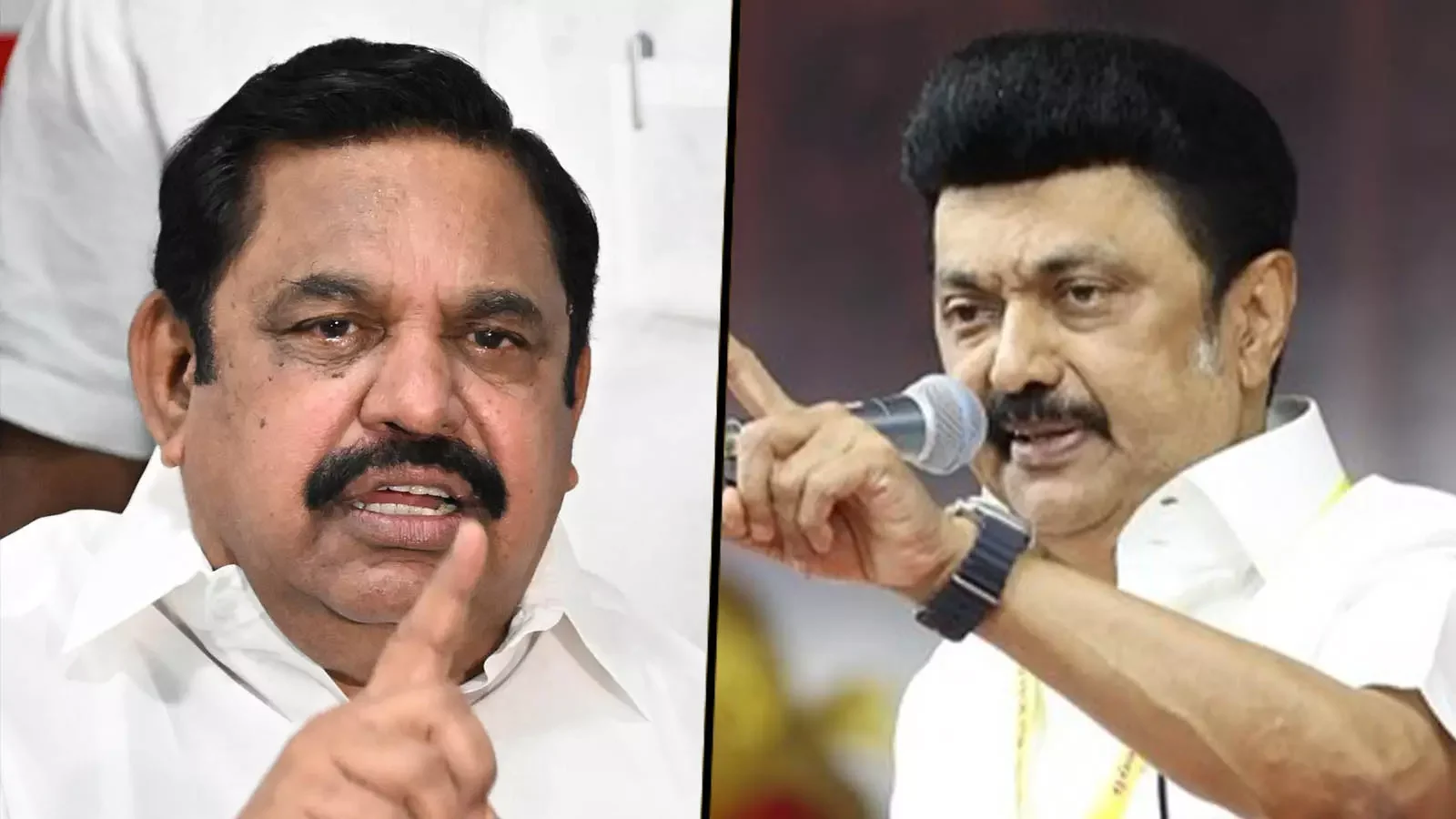
Tamil Nadu Chief Minister M.K. Stalin has launched a pointed critique against the AIADMK, alleging that the previous government failed to effectively address crimes against women during its tenure. Speaking at election campaign gatherings in Erode, Stalin specifically targeted AIADMK General Secretary Edappadi K. Palaniswami, asserting that women's safety was a persistent concern under AIADMK rule. Stalin referenced the Pollachi sex scandal and an alleged misconduct case involving a senior police officer as key instances of this perceived failure.

Stalin's accusations come as the state witnesses a contentious political debate surrounding law and order, particularly concerning crimes against women and children. He contrasted the AIADMK's alleged inaction with the current DMK government's purported implementation of "stringent laws," including provisions for the death penalty in such offenses. The Chief Minister framed these allegations within the context of ongoing election campaigning for the DMK and its allies.
Read More: Taiwan Holds Nantou County Drills to Prepare for State Collapse
A Rise in Reported Incidents, Divergent Interpretations
The discourse around women's safety is further complicated by data indicating a significant increase in reported cases. While reported crimes against women and children have seen a substantial rise in Tamil Nadu, the interpretation of this trend remains sharply divided. CM Stalin has posited that the uptick in reported incidents signifies enhanced public trust in the police under the DMK government, leading to more women coming forward to lodge complaints. Conversely, some activists and opposition parties suggest a more troubling narrative, questioning the overall law and order situation.
BS Ajeetha, a child and women's rights activist and lawyer, has highlighted a dual perspective on the rising crime statistics. While acknowledging the potential for increased reporting, she also advocates for a shift away from what she describes as a "deeply patriarchal" state approach. Ajeetha has called for a fundamental cultural and societal awareness transformation to effectively combat crimes against women and children, alongside the necessity of robust support systems for victims.
Read More: Kanyakumari Atomic Mining Permit Extended for 1144 Hectares in 2026

Political Firestorm Over Past Cases
The Pollachi sexual assault case has become a focal point in the ongoing political slugfest. Following a recent verdict in the case, where nine individuals were convicted and handed life sentences, both the DMK and AIADMK have engaged in a war of words. The DMK has accused the AIADMK of mishandling the case and allegedly protecting the accused, while the AIADMK has hit back, pointing to the DMK's handling of the Anna University sexual assault case and alleged association of the accused with the ruling party.
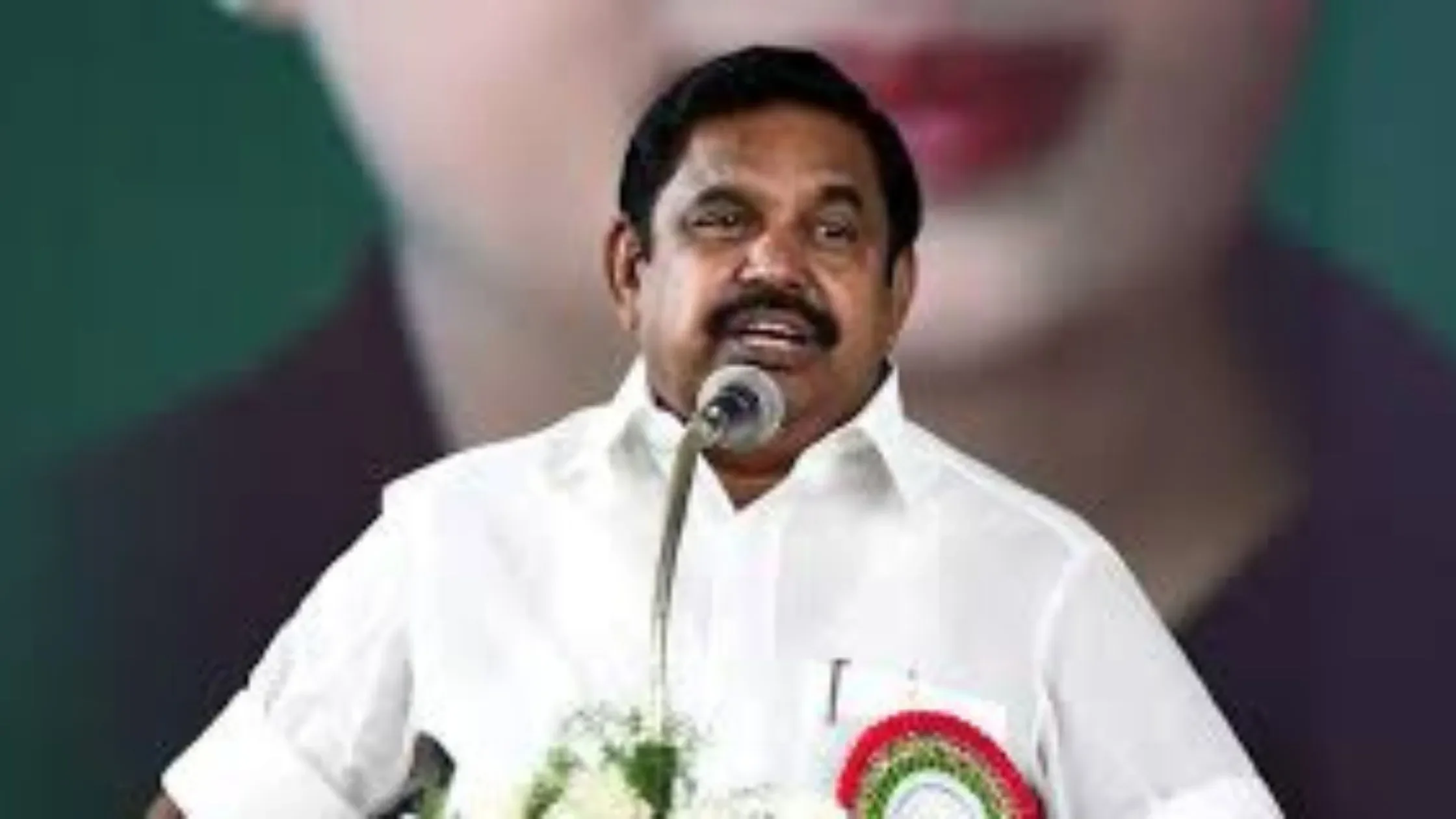
The AIADMK, led by Edappadi K. Palaniswami, has also leveled its own accusations against Chief Minister Stalin. Palaniswami has criticized Stalin for his perceived inability to curb rising crimes against women, demanding stronger governmental action. He has pointed to a range of incidents, including alleged contamination of a water tank and the unresolved Vengaivayal incident, to paint a picture of an unsafe state under DMK leadership. This reciprocal blaming underscores a broader pattern of political adversaries using law and order issues, particularly those concerning women's safety, as weapons in electoral battles.
Read More: FBI Analysts Review Georgia 2020 Election Data in Fulton County
Background: A Pattern of Accusations and Counter-Accusations
The exchange between the ruling DMK and the principal opposition AIADMK regarding crimes against women is not a new phenomenon. Reports indicate that for months, the AIADMK has been vocal in its criticism of Chief Minister Stalin's government, citing an increase in incidents of rape and sexual assault across the state. Palaniswami, in his capacity as Leader of the Opposition, has repeatedly demanded stringent action, asserting that Tamil Nadu has become insecure under the current administration.
Meanwhile, critics of the DMK government, including opposition leaders and certain civil society groups, have voiced concerns over the state's law and order. They point to an alleged rise in political violence and drug trafficking, questioning the government's claims of improvement. This broader critique suggests that while the immediate political exchanges focus on specific past events and statistics, there is an underlying tension regarding the state's overall capacity to ensure public safety and security. The 'betrayal alliance' rhetoric from Stalin also signals an attempt to consolidate his government's narrative against perceived political opponents.
Read More: Tamil Nadu lowers ration delivery age to 60 starting April 2026







