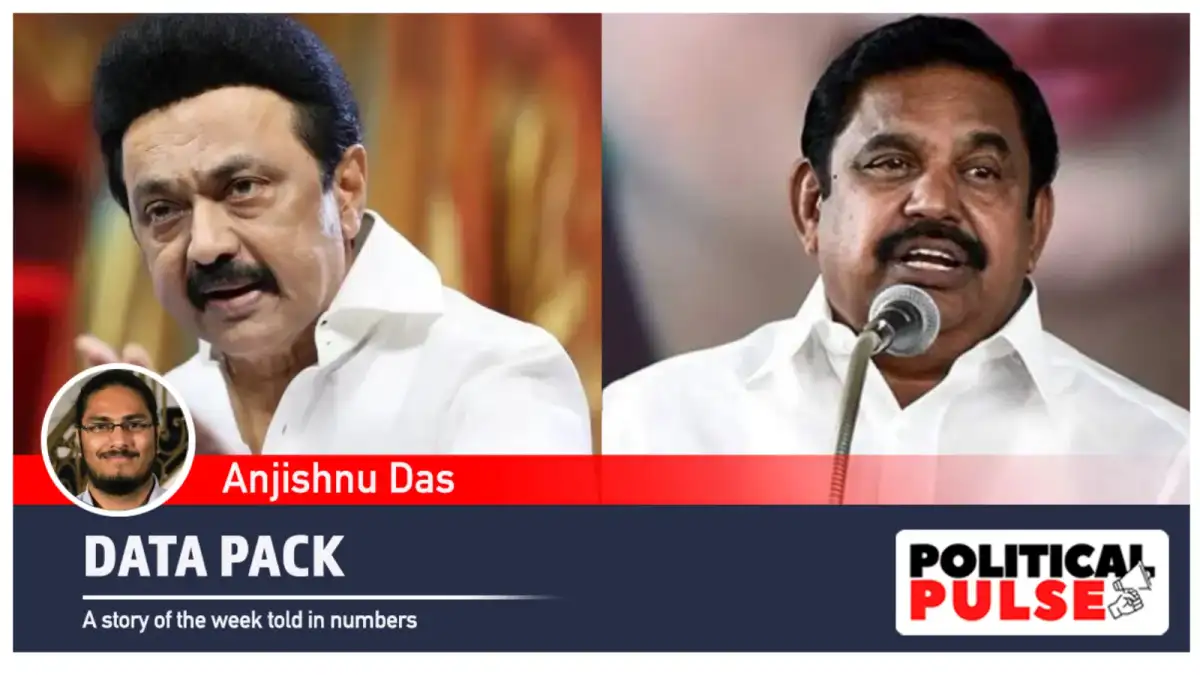
The DMK-led Secular Progressive Alliance in Tamil Nadu faces internal strain as seat-sharing negotiations for the upcoming Assembly elections reveal growing discontent among smaller coalition partners. These parties, some of whom have shown loyalty, are finding the allocated seats increasingly restrictive, fueling perceptions of neglect and dissatisfaction. The exit of T Velmurugan’s Tamilaga Vazhvurimai Katchi (TVK) over its demand for more than a single seat marks the most significant rupture thus far, highlighting the delicate balancing act the DMK faces in managing its broad coalition.

ALLIANCE RIFT DEEPENS
The ongoing seat-sharing discussions have exposed simmering tensions, particularly between the dominant DMK and its smaller constituents. Parties that had anticipated a more favourable arrangement based on their allegiance are now voicing concerns over the allocations, with some describing the DMK's approach as having a 'big brother' attitude. This dissatisfaction has already led to tangible consequences, as seen with the TVK's departure, which cited unmet expectations regarding seat numbers.
Read More: Taiwan Holds Nantou County Drills to Prepare for State Collapse
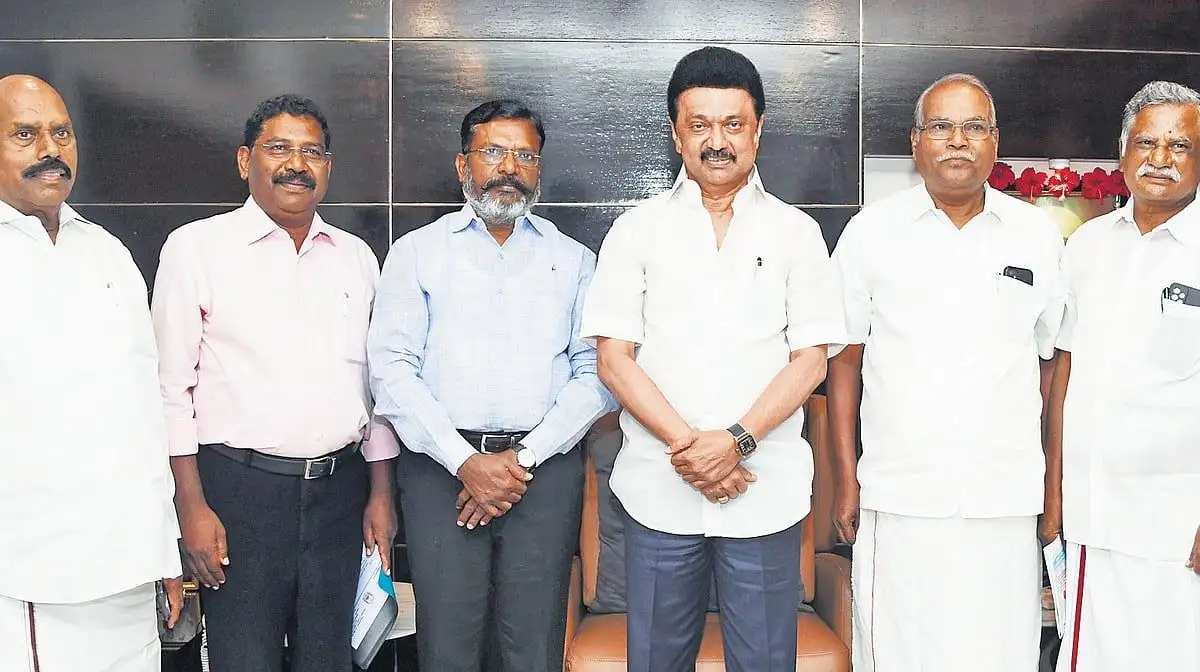
TVK's Departure: The exit of T Velmurugan's Tamilaga Vazhvurimai Katchi (TVK) underscores the challenges the DMK faces in satisfying its allies. TVK's dissatisfaction stemmed from being offered only one seat, a figure deemed insufficient despite their initial demands.
Left's Pushback: Reports indicate pushback from left parties over seat allocations, suggesting a broader pattern of discontent beyond just TVK.
Manapparai Tussle: A specific point of contention mentioned is the 'Manapparai tussle,' indicating localized conflicts over particular constituencies that reflect the wider seat-sharing disputes.
DMK'S STRATEGIC IMPERATIVE
The DMK's own strategic calculations appear to be a driving force behind the current negotiation dynamics. The party is reportedly aiming to contest between 165 to 175 seats on its own. This objective suggests a desire to secure a majority independently, thereby minimizing reliance on allies in the post-election scenario. This ambition, while electorally pragmatic for the DMK, inevitably squeezes the space available for its smaller partners.
BROADER COALITION LANDSCAPE
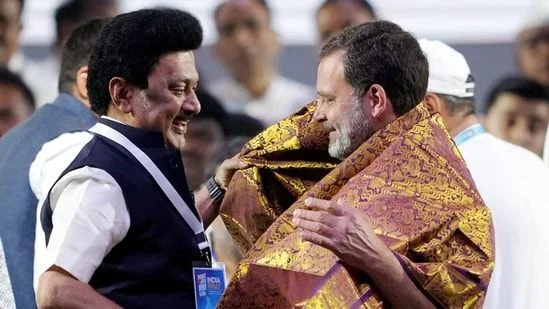
The DMK has actively worked to broaden its alliance, bringing in a diverse array of parties, including outfits like Kamal Haasan's Makkal Needhi Maiam (MNM), Desiya Murpokku Dravida Kazhagam (DMDK), and the Social Democratic Party of India (SDPI). This expansion, encompassing nearly 21 parties, reflects a strategy to consolidate support and potentially counter rivals like the AIADMK-led National Democratic Alliance (NDA), especially with considerations like the potential influence of the actor Vijay. However, managing the competing demands of such a wide coalition presents a complex challenge for the DMK leadership.
Read More: Kanyakumari Atomic Mining Permit Extended for 1144 Hectares in 2026
HISTORICAL CONTEXT AND IDEOLOGICAL UNDERPINNINGS
While seat-sharing negotiations create immediate friction, the DMK-led alliance has, for the most part, maintained its cohesion for nearly nine years. The alliance's perceived 'ideological cohesion' is often cited as a potential strength. Initiatives like promoting Tamil history and culture, celebrating Tamil scholars, and building memorials for Tamil icons, coupled with Chief Minister M.K. Stalin's narrative of resisting the Union government's perceived anti-federal stance, resonate with certain segments of smaller outfits and Tamil enthusiasts. This emphasis on Tamil identity and federal rights appears to be a core plank for uniting a diverse set of political actors under the DMK umbrella, even as the immediate pressures of electoral arithmetic test these bonds.
Read More: FBI Analysts Review Georgia 2020 Election Data in Fulton County
Stalin's Strategy: CM M.K. Stalin's slogan, ‘Tamil Nadu Poradum, Tamil Nadu Vellum’ (TN will fight, TN will win), is seen as a deliberate positioning against the Union government, fostering a sense of regional pride and resistance.
Active Party Wings: The DMK leadership has reportedly revitalized various party wings, including youth and legal sections, enhancing its engagement and outreach.
Past Electoral Performance: In the previous Lok Sabha polls, while the seat tallies of some DMK allies were modest, their vote shares indicated significant influence in the constituencies they contested. However, parties like the IJK, PT, and AMMK contested independently and failed to secure wins in that context.