Sales data indicates a discernible trend: Sony's PlayStation 5 games, when released on PC, are capturing a smaller slice of the audience compared to earlier titles. This phenomenon is not exclusive to Sony, but the data suggests it's strongly tied to when these PC versions become available. The general consensus among industry watchers is that the significant time lag between a console launch and its subsequent PC release means much of the initial player interest has already been sated on the primary platform.

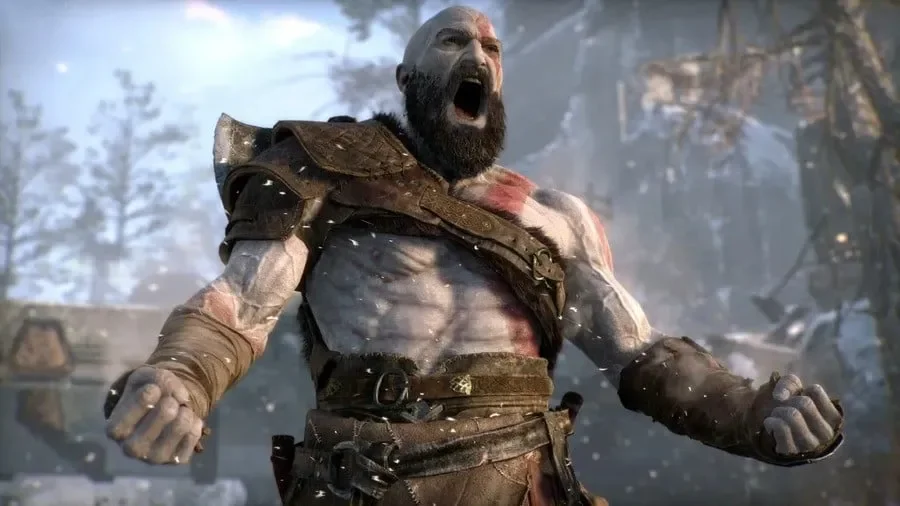
The core insight appears to be that release timing has a significant impact on PC engagement. When PC versions of games arrive years after their initial console debut, the audience share on the PC platform diminishes. For instance, earlier PlayStation PC releases like 'Horizon Zero Dawn' secured a notable 22% PC share with approximately 4 million lifetime players. Similarly, 'God of War (2018)' achieved 14% (around 3.5 million players), and 'Marvel’s Spider-Man' also hit 14% (close to 3.8 million players). However, more recent releases, despite being part of established franchises, have shown declining audience shares on PC.
Read More: RTX 5060 Ti 16GB Price Drops Below $400 in November 2024 Sales
Shifting Strategies and Perceived Novelty
The analysis points to a potential competitive disadvantage for Sony's delayed PC port strategy. While Sony has been gradually expanding its PC presence with major franchises, the typical approach of a substantial exclusivity period on PlayStation consoles before a PC version is developed has drawn attention. Industry observers are closely watching whether Sony will adjust these release windows in the future.

Some reports suggest that the novelty of these late-arriving PlayStation ports is starting to wane. For example, 'God of War Ragnarok' saw a significantly lower peak concurrent player count on Steam compared to the original 'God of War's PC release. This suggests that the initial excitement for games arriving years after their console debut may be diminishing, even if sales figures are respectable over time, especially with discounts. Another potential factor cited is the requirement of a 'PlayStation Network' login, which has reportedly restricted sales in numerous countries.
Read More: Linux users struggle to get older AMD GPUs working with new drivers
Sony's Stance and Market Outlook
Despite these shifting audience dynamics on PC, Sony has publicly stated it is unconcerned about gamers switching from PlayStation to PC. Company officials maintain that their efforts have not negatively impacted PS5 sales and that their hardware remains appealing. Sony appears to view PC ports as a way to increase audience and revenue, particularly as the console's lifecycle progresses, without diminishing the value proposition of the PlayStation ecosystem. Some statements even indicate plans to be more aggressive with PC ports in the future, aiming for a coexistence that benefits gamers.
However, conflicting signals have also emerged. Some insiders suggest a potential scaling back of PC releases, particularly for single-player games, and a renewed focus on mobile gaming and live service titles across multiple platforms. There have also been reports of a significant year-on-year drop in PS5 hardware sales, despite the release of the PS5 Pro.
Read More: Two More Xbox Leaders Leave in October 2024 Amid Strategy Shift
Background: The Evolving Landscape of Gaming
Sony's strategy for porting its games to PC has evolved over recent years. Historically, a significant period of console exclusivity was maintained before a PC version was developed and released. This approach aimed to bolster console sales and reinforce the PlayStation ecosystem. However, the increasing demand for cross-platform availability and the robust PC gaming market have led to a re-evaluation of this strategy. The emergence of titles like 'Helldivers 2' as a simultaneous multi-platform release, and its notable success, stands as a counterpoint to the delayed release model. The industry is in a constant state of flux, with publishers navigating diverse market demands and technological advancements.