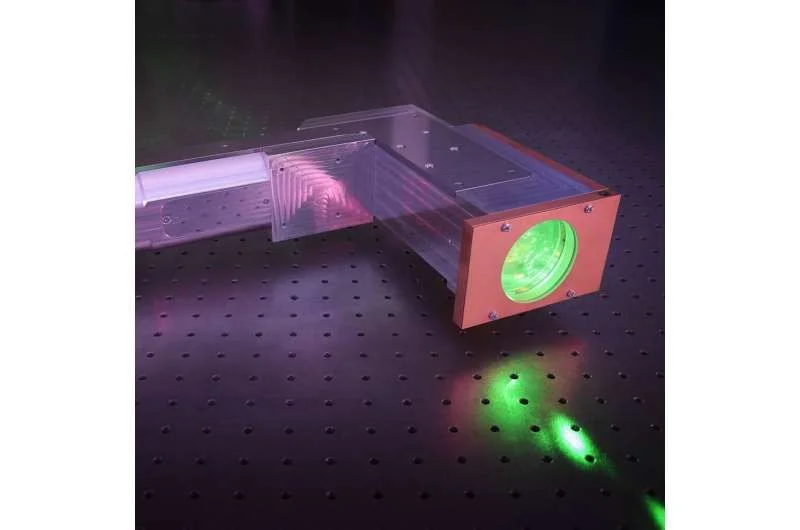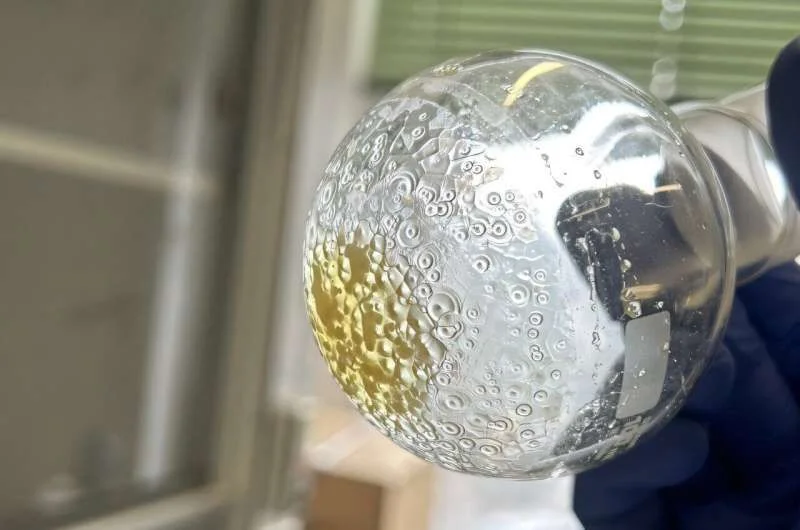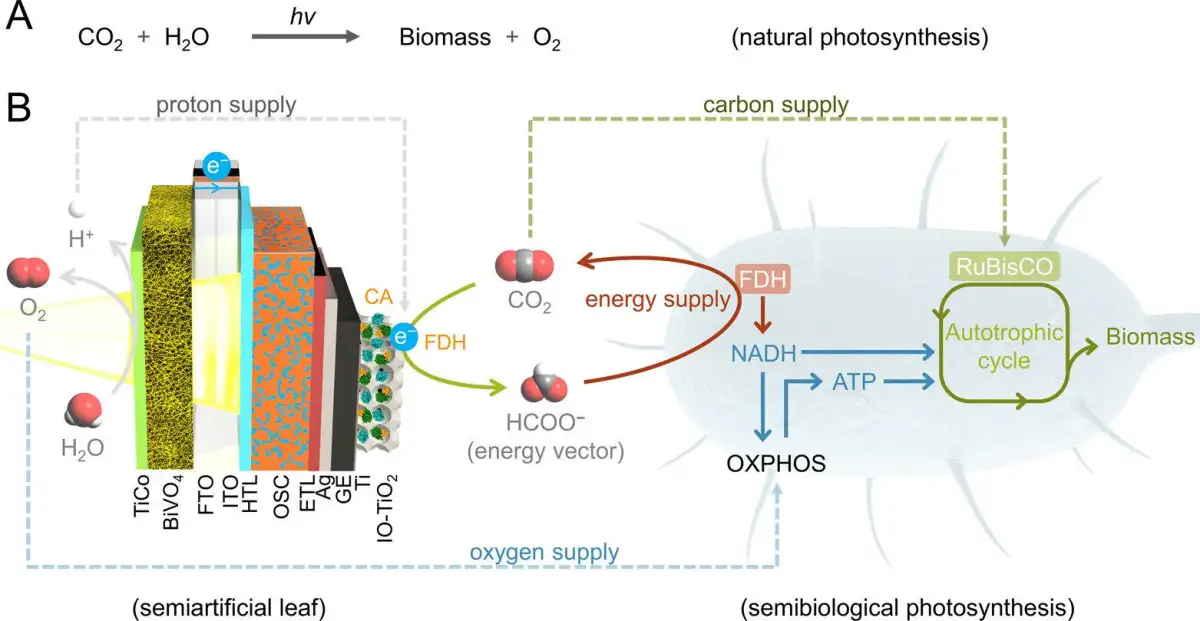
A novel solar-powered reactor system, recently unveiled, demonstrates a potential shift away from fossil fuels for chemical and plastic production, and even for food sources. The innovation integrates a solar reactor with engineered bacteria within a single container, utilizing sunlight, water, and carbon dioxide to cultivate living biomass.
This breakthrough allows for the parallel development of two distinct 'clean' alternatives:
Solar-powered chemistry: Sunlight is harnessed to directly convert carbon dioxide into small, useful molecules.
Engineered bacteria: These microorganisms are programmed to produce a variety of chemicals.
In this setup, sunlight performs a dual function. It splits water molecules at an electrode, releasing oxygen that the bacteria can then use for respiration. This biological oxygen supply is crucial for the engineered organisms to thrive.
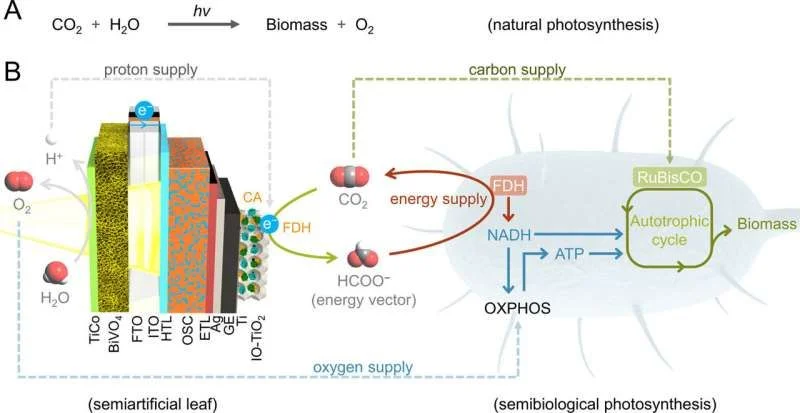
The technology, developed by researchers at Queen Mary University of London (QMUL), is presented as a future pathway for manufacturing "environmentally clean" chemicals, plastics, and potentially even microbial protein for food. The process, described as growing living biomass safely, aims to bypass the conventional reliance on petroleum-based feedstocks that define the current chemical industry.
Read More: HiPEQ project creates small lasers for rugged quantum technology
Background Currents
The implications of such a development are substantial, touching upon the deep-seated reliance of global industries on finite fossil resources. For decades, the chemical sector has been a cornerstone of manufacturing, producing everything from plastics to pharmaceuticals, all largely dependent on oil and gas. This new solar-driven approach offers a conceptual re-imagining of how these essential materials could be sourced.
The dual-pronged strategy of direct solar chemistry and bio-engineering represents an ambitious attempt to decouple production from geological reserves. While specific details on the scale and efficiency of this integrated system remain to be fully elaborated, the foundational principle – using sunlight as the primary energy source and CO₂ as a feedstock – signals a significant conceptual leap. The lifetechnology.com report also hints at E. coli's role in converting CO₂ to energy, aligning with the QMUL research's biological component.
Read More: OpenAI Wins Lawsuit, Clears Way for Stock Market Launch