Molecular Architects Mine Marine Microbes for Medical Breakthroughs
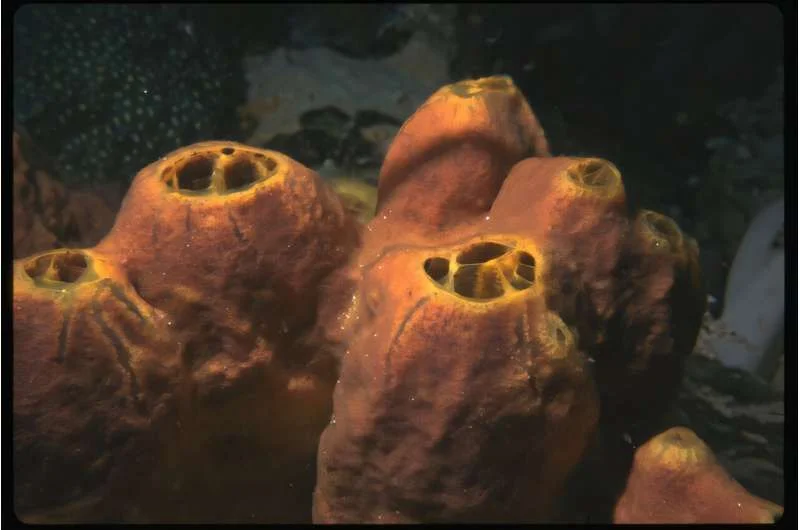
Chemists are increasingly turning to the unlikeliest of sources – the bacteria dwelling within ocean sea sponges – to engineer novel molecules with significant potential in treating intractable diseases, particularly rare cancers and neurological disorders. Recent work by Florida State University chemists highlights the synthesis of new molecules from Pacific Ocean bacteria, offering a promising avenue for drug development.
Chemists are successfully synthesizing complex molecules from bacteria found in sea sponges, a strategy yielding potent compounds that show promise in combating diseases like cancer and Parkinson's. This approach is lauded for its potential to create targeted therapies, bypassing some of the inefficiencies and risks associated with traditional drug discovery.==
The allure of these marine-derived molecules lies in their intricate structures and unique biological activities. For instance, compounds originating from sea sponges have demonstrated efficacy against certain aggressive cancers that rely on the disposal of toxic proteins for survival and spread. Researchers have achieved the first syntheses of tetradehydrohalicyclamine B and its mirror image, epi-tetradehydrohalicyclamine B, identifying that only one geometric form possesses biological activity. This observation underscores the critical importance of precise molecular architecture in drug efficacy.
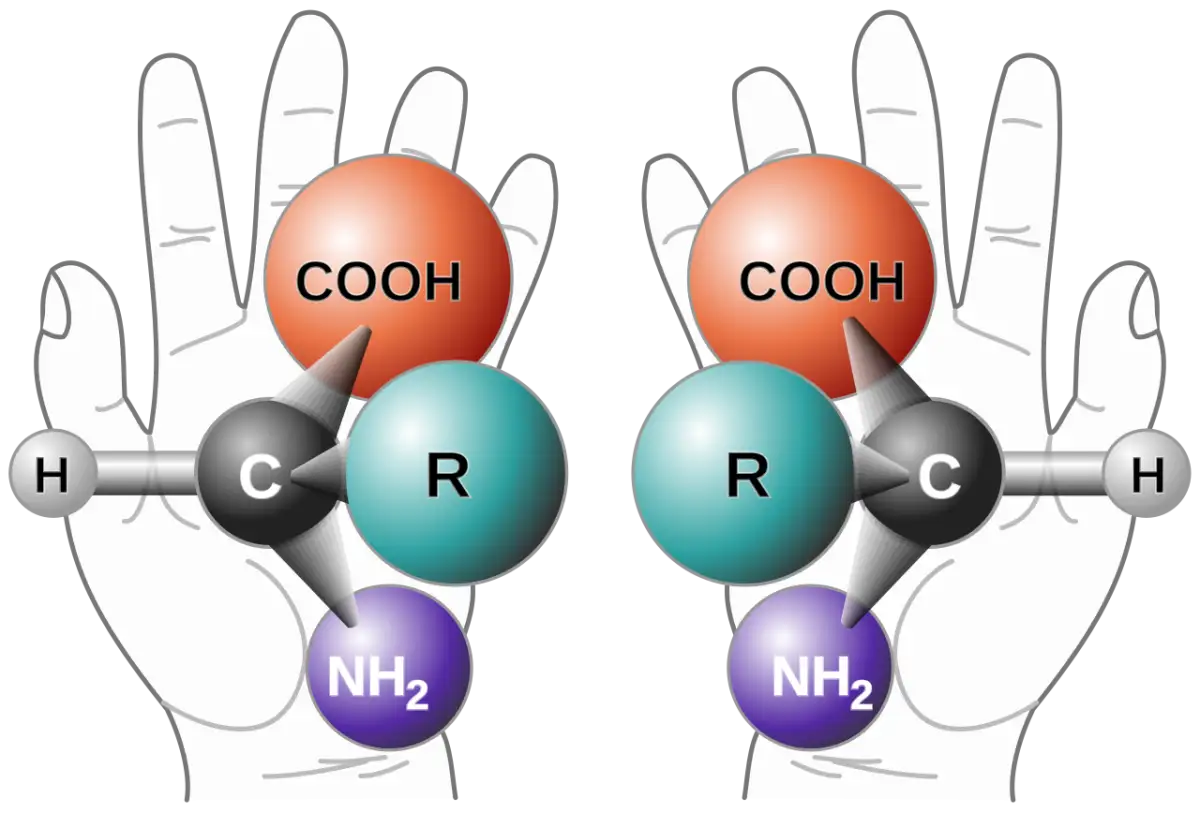
Further exploring this vein, UCLA chemists have pioneered the first synthetic version of lissodendoric acid A, a molecule discovered in a sea sponge. This compound appears to counteract agents that damage DNA, RNA, and proteins, presenting a potential weapon against conditions like Parkinson's disease. A key advancement in this synthesis was the development of a method that efficiently produces only the desired molecular form, minimizing waste and cost.
Read More: EPA May Loosen 'Forever Chemical' Limits in Drinking Water
The Chemistry of Complexity: Biomimicry and Synthetic Prowess
Navigating Molecular Mazes: Overcoming Synthetic Hurdles
The creation of these marine-inspired molecules presents substantial chemical challenges. Many share a complex core structure, such as the tetracyclic guanidine scaffold found in dibromophakellin and dibromoagelaspongin. Historically, synthesizing these compounds has been a lengthy process, often yielding disappointing results.

However, recent advances, exemplified by the work at Biosynthchem, have demonstrated "biomimetic" synthesis routes that significantly improve efficiency. By mimicking the biological processes found in sponges, chemists have developed methods that employ fewer steps and achieve substantially higher yields. For instance, a pivotal experiment transformed a precursor molecule, dihydrooroidin sulfoxide, into the core structure of phakellin alkaloids using a sequence involving activation, cyclization, and de-sulfurization. This approach contrasts sharply with traditional methods, where yields for molecules like dibromophakellin could be as low as 12%.
Read More: Philadelphia Math Congress 2026: Simons Foundation Funds Over 50 Speakers
The intricate 3D architecture of these molecules, particularly the triazaspiro core, is central to their function. This rigid structure allows for precise binding to biological targets, akin to a key fitting a lock. Constructing this spirocyclic edge demands meticulous control over stereochemistry, a feat that is being progressively mastered through innovative synthetic strategies.
A New Era for Targeted Therapies?
The success in synthesizing molecules like gukulenin A, a notoriously complex compound with substantial cancer-fighting potential, further validates this research direction. A team at Yale has successfully recreated this molecule, finding that variations with a key structural group removed, like gukulenin B, were significantly less potent. This reinforces the idea that subtle alterations in molecular design can dramatically affect therapeutic impact. The ability to synthesize 15 variants of gukulenin A also opens doors for fine-tuning its properties for optimal drug development.
Read More: New TriPcides Kill Superbugs and Stop Infection Damage
The underlying principle driving this field is the recognition that marine organisms, through millennia of evolution, have developed sophisticated chemical defenses and signaling mechanisms. Bacteria living symbiotically within these organisms are often the source of these potent compounds. By isolating and synthesizing these molecules, scientists aim to unlock their therapeutic secrets and translate them into novel treatments. The continued exploration of sea sponge bacteria represents a vital, if somewhat unconventional, expansion of the medicinal chemist's toolkit.