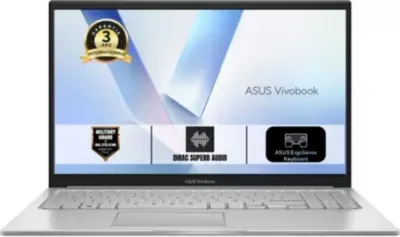
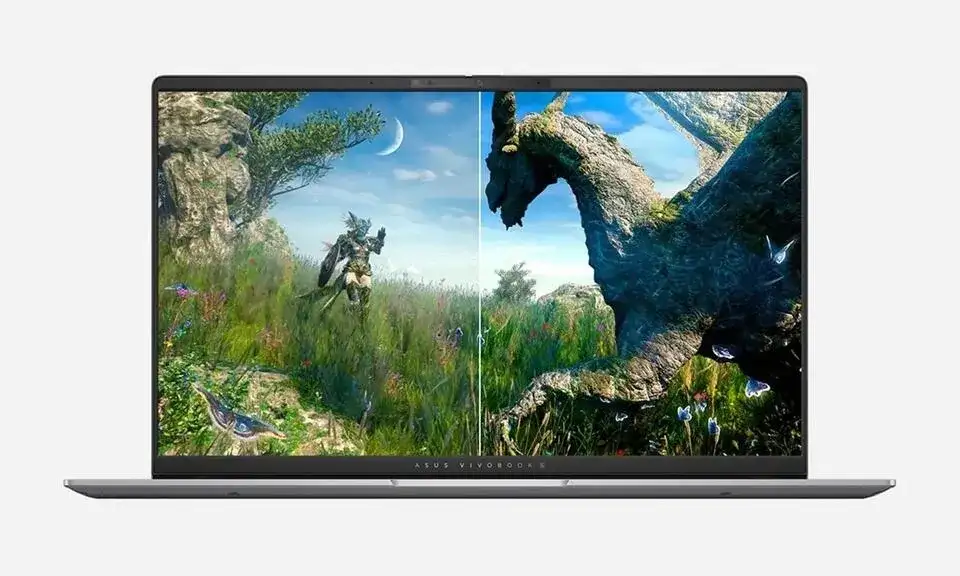
New Asus Vivobook models, running on Intel's Wildcat Lake platform, have surfaced in China, presenting a direct challenge to Apple's recently introduced lower-cost MacBook Neo. These machines, notably the Vivobook 14SE and 16SE, aim to compete on price and readily apparent hardware specifications. The Vivobook 16SE, priced at CNY 4,599 (approximately $675), enters the market with configurations that often double the RAM and storage found in the base MacBook Neo model.
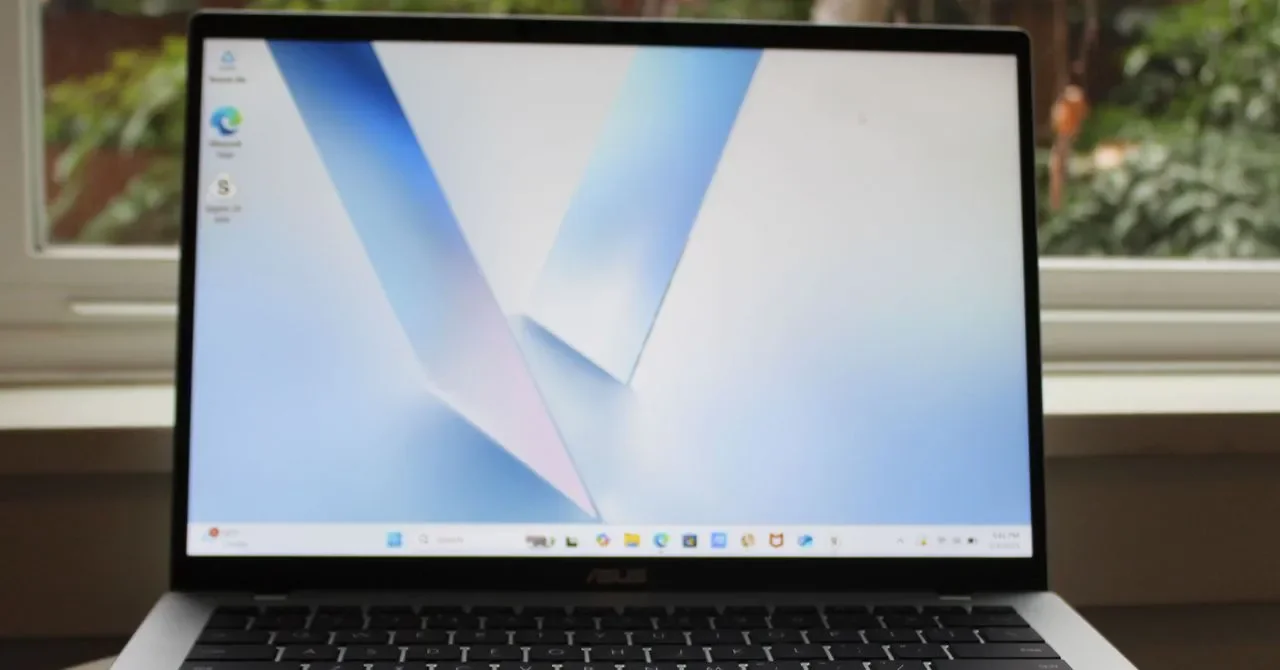
Intel's "Project Firefly" is underpinning this push, providing a standardized hardware blueprint for PC manufacturers aiming to create more slender, refined, and cost-effective Windows laptops that can more directly confront the MacBook Neo. The strategy leverages China's existing mobile device supply chains to potentially lower manufacturing expenses for these Wildcat Lake laptops at scale.

Market Stirrings and Strategic Responses
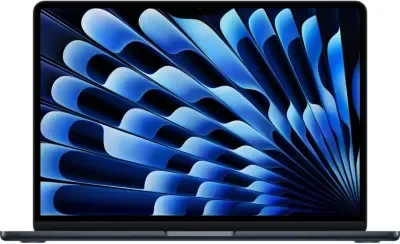
The arrival of Apple's MacBook Neo, retailing for a base price of $599, has indeed sent ripples through the personal computer industry. Executives from companies like Asus have publicly characterized the move as a "shock to the entire market," given Apple's historically premium pricing. This has spurred PC makers to seriously consider the implications of Apple's expansion into a more accessible price bracket.
Read More: Chrome mimeHandler API lets extensions handle file types
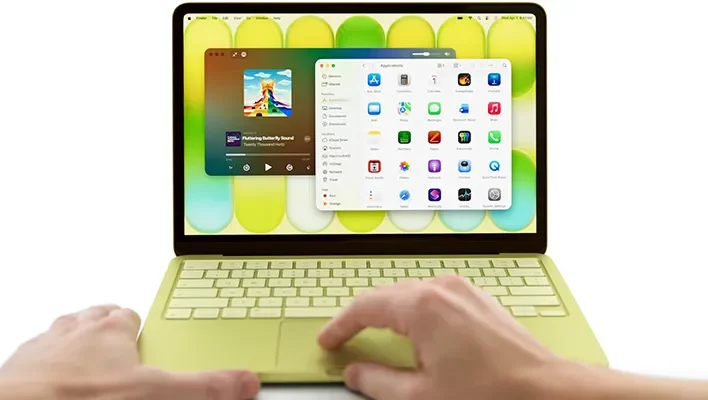
While Apple touts the MacBook Neo for its suitability for approximately 80% of common consumer tasks, including content consumption and light productivity, some observers, including Asus, have described it as primarily a device for "content consumption." This characterization stems from its specifications, such as the 8GB of unified memory that is not user-upgradeable and the absence of high-speed ports like Thunderbolt.
Hardware and Philosophy Divergences
The initial wave of Intel Wildcat Lake laptops, appearing in markets like China, targets the entry-level and mid-range segments. Brands such as Honor, Asus, HP, Lenovo, and Chuwi are launching 14 and 16-inch models. These machines are being positioned with specifications that, on paper, offer more RAM and storage than the entry-level MacBook Neo. For instance, some Vivobook 14 models come equipped with 16GB of RAM and 512GB of storage, compared to the MacBook Neo's base configuration of 8GB unified memory and 256GB storage.
Read More: Lenovo Legion 7 Laptop With RTX 5070 Gets Tested in April 2026
However, the underlying platform philosophies differ significantly. While Apple's Neo prioritizes a streamlined user experience and integrated ecosystem, the Intel-based alternatives are focusing on tangible hardware upgrades and a more traditional Windows computing approach. Despite potential hardware advantages in RAM and storage, some reviewers note that the MacBook Neo can offer a brighter display, reaching up to 500 nits compared to the Vivobook 14's maximum of 280 nits.
Broader Industry Context
The competitive landscape is further complicated by a widespread memory shortage, which is driving up costs for all PC manufacturers. This backdrop makes the challenge of matching Apple's price point while delivering a comparable or superior user experience a significant undertaking for rivals. The MacBook Neo's base model, featuring 8GB of unified memory and 256GB of storage, is understood to be a deliberate strategic choice by Apple to capture a new market segment, even if it doesn't match the power of its higher-end offerings like the MacBook Air M5, which comes standard with 16GB of unified memory and 512GB of storage.
Read More: BEREC Asks for Mobile Network API Ideas from Developers