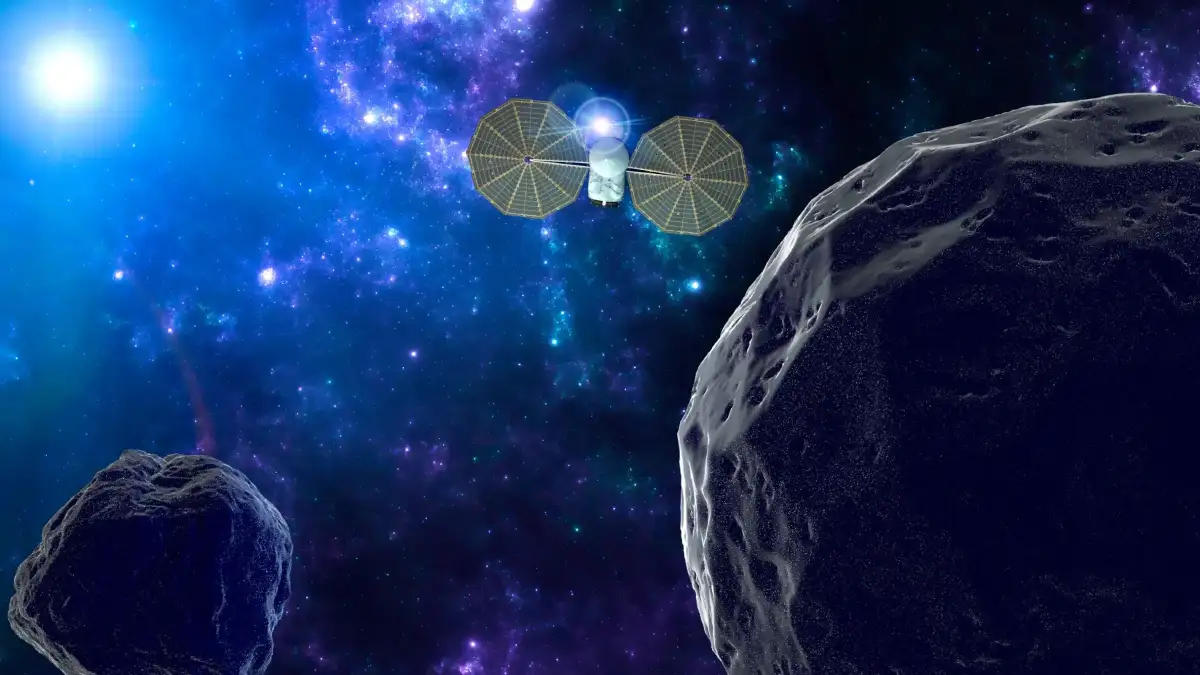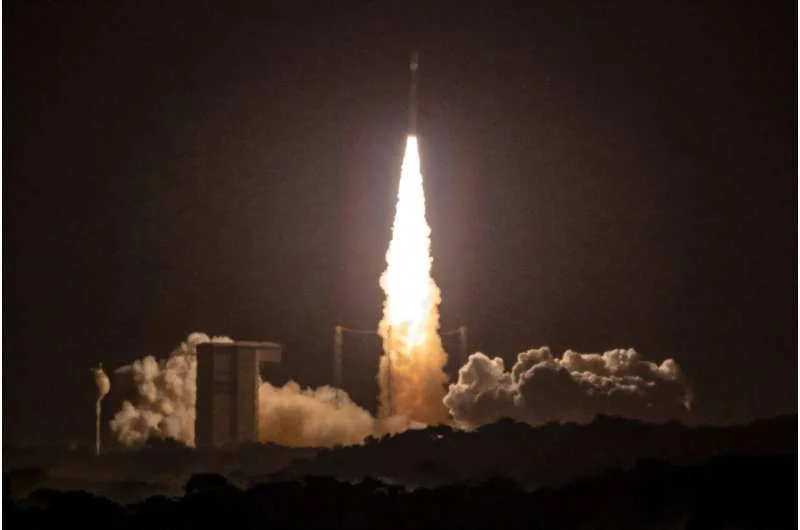
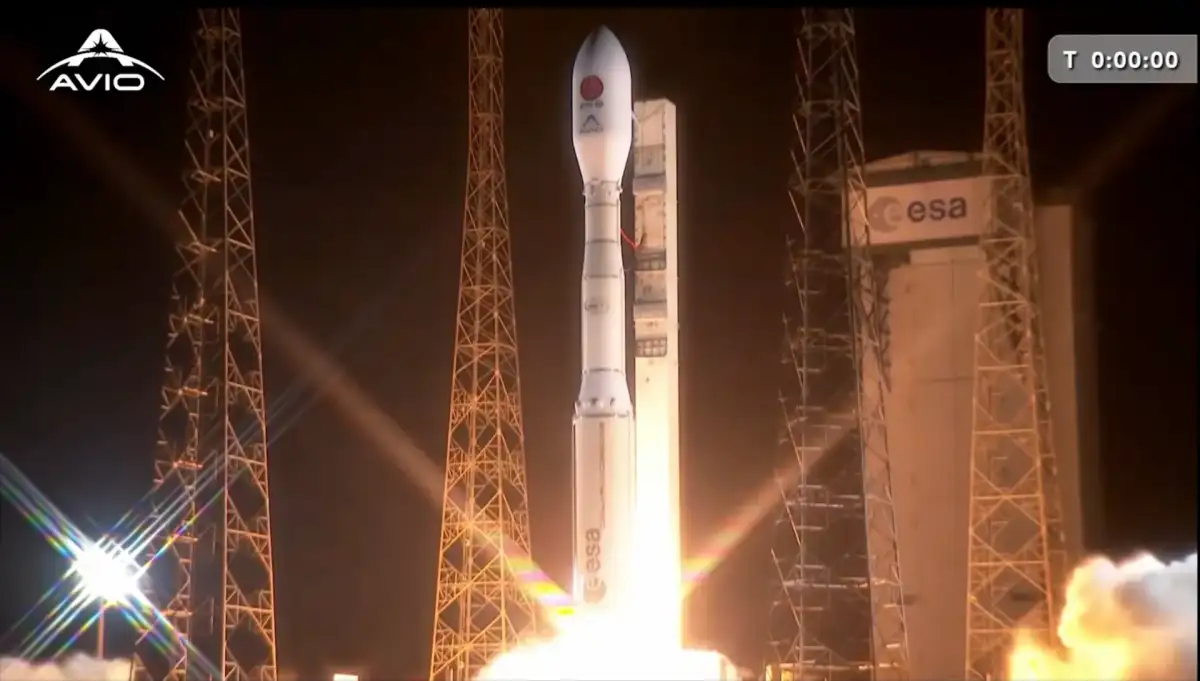
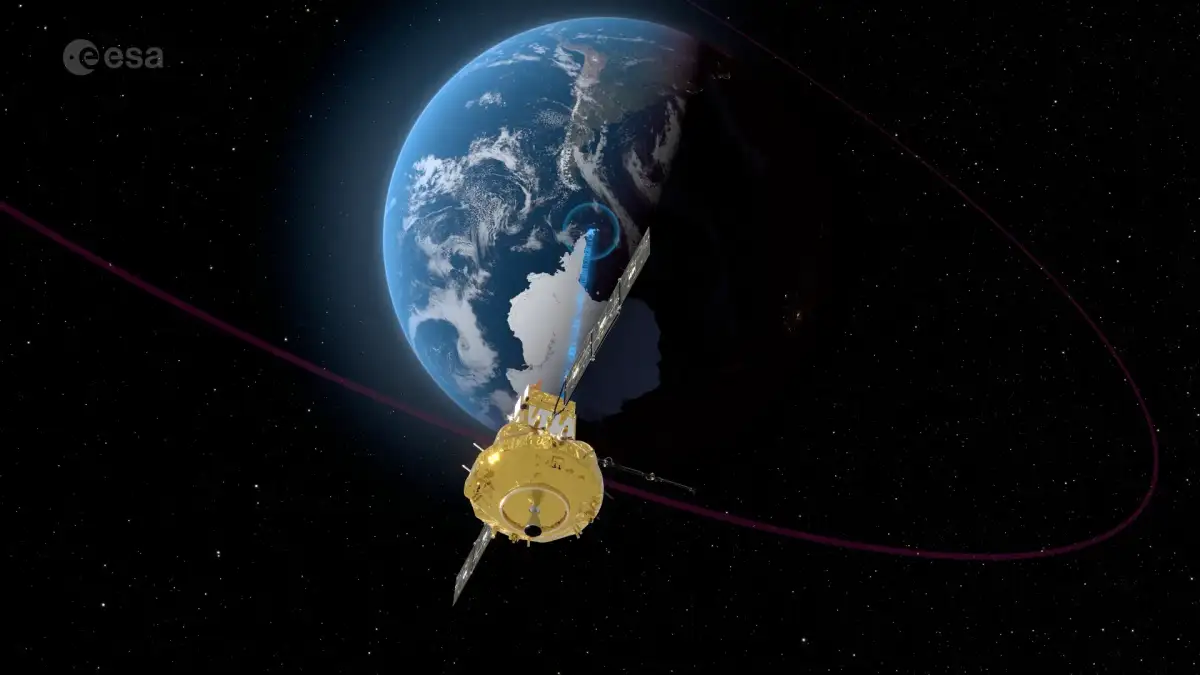
The SMILE (Solar Wind Magnetosphere Ionosphere Link Explorer) spacecraft successfully reached orbit earlier today, May 19, 2026. Launched via a Vega-C rocket from French Guiana, the mission marks a collaboration between the European Space Agency (ESA) and the Chinese Academy of Sciences (CAS).
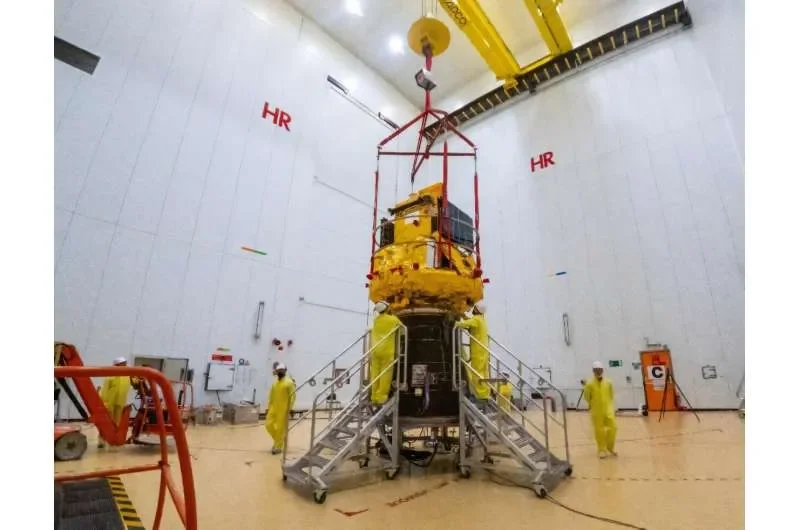
SMILE will provide the first-ever global X-ray images of the magnetopause, the boundary where solar wind impacts Earth’s magnetic field.
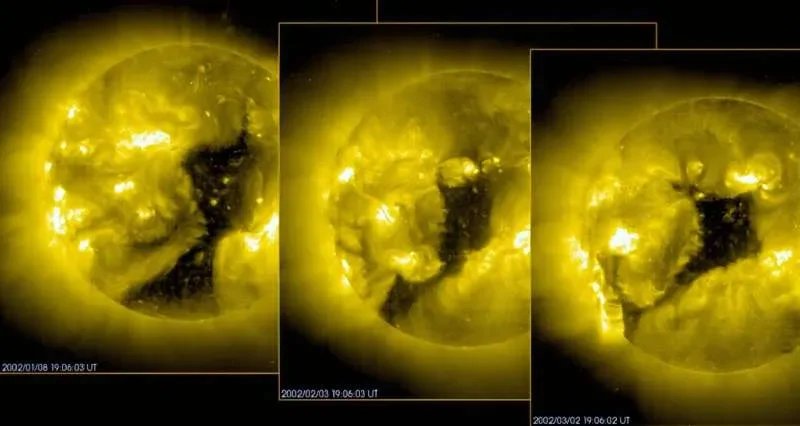
Objective: Shift from local, single-point data collection to continuous global monitoring of Earth’s magnetic environment.
Duration: Planned for a three-year mission lifespan.
Technology: Uses an X-ray camera to map interactions between solar charged particles and the neutral particles of the upper atmosphere, alongside an Ultraviolet Imager for long-duration aurora tracking.
| Mission Component | Responsibility |
|---|---|
| Payload Module | Airbus Defence and Space (Spain) |
| Scientific Oversight | ESA / CAS / UK (UCL-MSSL) |
| Launch Provider | Avio (Vega-C) |
The Physics of the "Shield"
For decades, research into Earth’s magnetosphere relied on snapshots from scattered instruments. The SMILE mission aims to resolve persistent gaps in space weather modeling. By capturing the geometry of the magnetopause in complete image frames, researchers intend to answer why solar storms impact our environment in specific ways and how to better predict potential damage to orbiting infrastructure and space-based technologies.
A Joint Endeavor
The launch represents a rare institutional synchronization between the ESA and the CAS. Officials describe the project as a move to stabilize scientific understanding of solar-terrestrial dynamics.
Read More: Indigenous Data Rights Now Key in Conservation Genomics
"The science the satellite uncovers will improve our models of Earth's magnetic environment, which could ultimately help keep our astronauts and space technologies safe for decades to come." — Philippe Escoubet, ESA Project Scientist.
Contextual Background
Earth’s magnetosphere acts as a primary buffer against Solar Wind. While its existence has been documented since the 1950s, the mechanics of how energy from solar eruptions traverses this barrier remains opaque. By combining X-ray detection with ultraviolet observations of the Auroral Oval, the mission attempts to synchronize data that were previously studied in isolation. The project’s success now hinges on the stable operation of its highly elongated orbit and the sensitivity of its X-ray instrumentation.