A vast mass of sargassum seaweed, described as an "ominous blob," has reached alarming proportions in the Gulf of America and is projected to expand further into the Caribbean Sea and towards the U.S. Gulf coast. This phenomenon, detailed by researchers tracking its growth, has already begun washing ashore on Caribbean islands and Mexico's coastline, signaling potential disruptions for multiple U.S. states.
Forecasters are pointing to a confluence of weather patterns that will define the current season, underscoring the inherent unpredictability of storm development. Even a single severe event, officials noted, can precipitate widespread damage, chaos, and emotional distress. Preparations are being urged ahead of any impending threat, rather than reacting once a storm has already formed. While a potential 'Super El Niño' event looms, with forecasts indicating an 80% probability of its arrival this summer, its specific influence on Atlantic hurricane development remains subject to ongoing assessment.
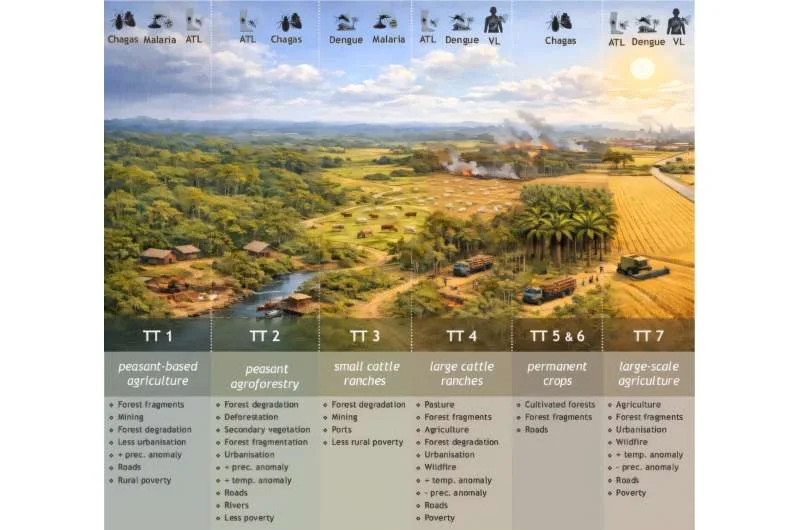
Read More: Amazon Land Use Changes Cause Disease Clusters in Brazil
The U.S. federal government formally adopted the designation 'Gulf of America' for domestic use in January 2025, a naming convention that, while not impacting international discourse, highlights evolving regional perspectives. This body of water is central to a range of critical activities, encompassing oil production, the fishing industry, and vital shipping routes. Its economic significance is matched by its ecological sensitivity, with environmental concerns a constant undercurrent in discussions surrounding its management.
The 'ominous blob' is specifically identified as sargassum, a type of seaweed. Its significant proliferation has been closely monitored by institutions such as the University of South Florida’s Optical Oceanography Lab. Smaller quantities of this seaweed have already been observed along the Florida Keys, southeastern Florida beaches, the Mississippi delta, and the Texas coast. The sheer scale of this oceanic accumulation, which broke records recently, is anticipated to continue its expansion throughout June.
Read More: World Cup 2026 travel rules block teams and referees in April 2026